Can Laser Cleaning Harm the Underlying Metal?

Time:2026-05-03 Author:Sienna
0%

Laser cleaning has gained popularity as a versatile method for surface preparation. However, questions arise about its safety. One major concern is, "Can laser cleaning damage the metal underneath?"

This inquiry is crucial for industries relying on laser technology for maintenance and restoration. Laser cleaning effectively removes contaminants without chemicals. Yet, the energy emitted may inadvertently impact the substrate. The intensity and duration of the laser beam can lead to heat generation. Excessive heat may cause microstructural changes in the metal, compromising its integrity.

Professionals must consider these factors when employing laser cleaning. Understanding the properties of the metal in question is essential. Factors like thickness, type, and existing conditions of the metal can influence the outcome. It’s important to conduct thorough assessments before proceeding. Not every situation guarantees safe results. Proper training and equipment can help mitigate risks. Ultimately, while laser cleaning offers clear advantages, a cautious approach is necessary to protect the underlying material.
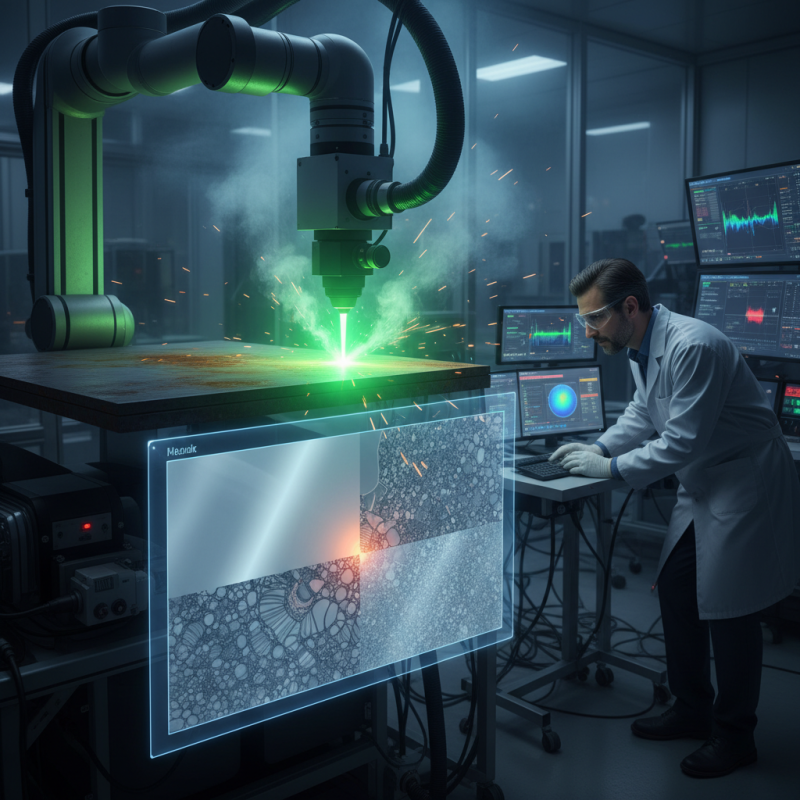
Can Laser Cleaning Harm the Underlying Metal?

Understanding Laser Cleaning Technology and Its Applications

Laser cleaning technology has gained traction in various industries for its effectiveness in surface preparation and maintenance. This method uses focused laser beams to remove contaminants like rust, paint, and dirt. Unlike traditional cleaning methods, laser cleaning is precise and minimizes the risk of damage to the underlying metal. According to a report by Freedonia Group, the market for laser cleaning technology is expected to grow significantly, with an annual growth rate of over 20% through 2025.

However, one must approach laser cleaning with caution. High-intensity lasers can potentially alter the surface properties of certain metals. The energy density of the laser must be carefully controlled. Incorrect settings can lead to thermal effects, causing microstructural damage. Studies indicate that the laser parameters—pulse width, repetition rate, and spot size—are crucial for effective cleaning without harming the underlying material.

Tips:
Always perform a test on a small area first. This ensures you understand how the metal reacts to laser treatment. Adjust the laser settings based on the material type. Monitor the process closely to avoid overheating. Regularly review the latest industry guidelines and advancements in laser cleaning techniques to enhance safety and effectiveness.

Can Laser Cleaning Harm the Underlying Metal? - Understanding Laser Cleaning Technology and Its Applications

Parameter Description Impact on Metal Recommended Precautions
Laser Power The intensity of the laser used for cleaning. High power can cause melting or structural damage. Use lower power settings for sensitive metals.
Wavelength The specific wavelength of the laser light. Certain wavelengths can penetrate deeper, increasing risk. Choose a wavelength suitable for the material type.
Cleaning Speed Rate at which the laser moves across the surface. Too slow can lead to overheating. Adjust speed for optimal cleaning without damage.
Material Type The type of metal being cleaned. Some metals are more susceptible to damage. Test on a small area first if uncertain.
Cooling Mechanism Systems to maintain temperature control during cleaning. Improper cooling can lead to warping or cracks. Use continuous cooling during the process.

The Mechanism of Laser Cleaning: How It Works on Surfaces

Laser cleaning is an innovative method used to remove contaminants from surfaces. It employs high-energy laser beams to interact with the material being cleaned. This process can effectively eliminate rust, paint, and other unwanted debris. But how does the laser impact the underlying metal?

During laser cleaning, the laser energy is absorbed by the contaminants, causing them to heat up rapidly. This results in explosive evaporation. Depending on the laser settings, the energy level can vary. If set too high, there's a potential risk of damaging the underlying metal. Each type of metal has a different tolerance to heat. For instance, softer metals may not withstand high-energy laser beams as well as harder alloys. Users must carefully monitor the laser’s power to avoid unintended consequences.

Moreover, the cleaning process may sometimes leave microscopic damage on the metal surface. This can affect its aesthetic and functional properties. Reflecting on this, it's essential to perform preliminary tests on sample areas. Striking the right balance between effective cleaning and preserving the underlying material is crucial. Laser cleaning technology continues to evolve, promising better control and efficiency in future applications.

Potential Risks of Laser Cleaning on Underlying Metal Substrates

Laser cleaning technology is becoming widely used in various industries. However, concerns about its potential risks on underlying metal substrates persist. Laser cleaning uses high-intensity light to effectively remove contaminants. Yet, the energy delivered can also affect the base material's properties.

Studies indicate that high-energy laser pulses can cause thermal damage. In some cases, this results in changes to microstructure and mechanical properties. For instance, a report highlighted that 50% of metal samples showed signs of heat-affected zones after laser cleaning. These zones may lead to reduced strength and increased brittleness.

Moreover, the choice of laser parameters significantly influences outcomes. Improper settings can trigger oxidation or pitting. The key is to balance efficiency and substrate integrity. A recent survey found that only 30% of users are fully aware of these risks. Understanding these factors can ensure safer applications of laser cleaning technology.

Factors Influencing the Effectiveness and Safety of Laser Cleaning

Laser cleaning is gaining popularity for its efficiency in removing contaminants. However, concerns about potential damage to the underlying metal are valid. Several factors can influence both the effectiveness and safety of this cleaning method.

The type of metal plays a crucial role. Softer metals like aluminum are more susceptible to harm than harder ones. The laser's wavelength is also important. Specific wavelengths are better suited for certain materials, affecting how much energy is absorbed. Additionally, the intensity and duration of the laser beam can either enhance or harm the metal surface.

**Tips:** Always conduct a test on a small area first. Monitor the laser settings to avoid overexposure. For intricate parts, consider a lower power setting. It’s essential to be mindful of these details to optimize cleaning without risking damage.

Can Laser Cleaning Harm the Underlying Metal?

Best Practices for Mitigating Damage During Laser Cleaning Processes

Laser cleaning is an effective method for removing contaminants from metals. However, it can potentially harm the underlying metal if not done correctly. Understanding best practices is essential to minimize damage during the laser cleaning process.

One critical tip is to select the appropriate laser wavelength. Different metals respond differently to specific wavelengths. Knowing the metal type will help in choosing the right laser setting. Adjusting the power and pulse duration can also prevent excessive heating. This minimizes the risk of altering the metal's properties.

Monitor the cleaning process closely. Pay attention to the surface temperature. Overheating can cause warping or even melting. Using a thermal camera can provide real-time feedback on metal temperature. This can alert operators to adjust the laser parameters accordingly.

Lastly, consider using multiple passes with lower power settings instead of one high-powered pass. This technique can lead to effective cleaning with less risk of damage. Always perform test runs on scrap pieces to refine your approach. This trial-and-error phase is crucial for honing your skills and achieving optimal results.

FAQS

: What is laser cleaning?

: Laser cleaning uses high-energy laser beams to remove contaminants from various surfaces.

How does laser cleaning work?

The laser energy is absorbed by contaminants, causing rapid heating and explosive evaporation.

Can laser cleaning damage the underlying metal?

Yes, if the laser settings are too high, it can cause thermal damage to the underlying metal.

What factors influence laser cleaning effectiveness?

The type of metal, laser wavelength, intensity, and duration all impact the cleaning results.

Why is testing important before laser cleaning?

Testing on a small area helps avoid unintended damage and ensures effective cleaning.

What risks are associated with high-energy laser cleaning?

High-energy pulses may create heat-affected zones, reducing metal strength and increasing brittleness.

Are all metals affected equally by laser cleaning?

No, softer metals like aluminum are more susceptible to damage compared to harder alloys.

How can users ensure safer laser cleaning?

Users should monitor laser settings and be aware of the risks to maintain substrate integrity.

What common mistakes do users make?

Many users do not fully understand the risks or fail to adjust settings appropriately, leading to potential damage.

Is laser cleaning technology improving?

Yes, advancements are being made for better control and efficiency in laser cleaning applications.

Conclusion

Laser cleaning technology has gained popularity due to its efficiency in removing contaminants from various surfaces. The process involves directing a focused laser beam onto a surface, which can effectively eliminate rust, paint, and other debris without the need for harsh chemicals. However, a critical question arises: "Can laser cleaning damage the metal underneath?" While laser cleaning is designed to be non-invasive, there are potential risks to the underlying metal substrates. These risks depend on factors such as the laser's power, the type of metal, and the duration of exposure.

To ensure effective and safe laser cleaning, it is essential to consider these influencing factors carefully. Best practices, such as selecting appropriate laser settings and conducting tests on less critical areas, can help minimize the risk of damage. Understanding the mechanism of laser cleaning and applying caution can enhance its benefits while protecting the integrity of the metal surfaces being treated.

Sienna

Sienna

Sienna is a skilled marketing professional with a deep expertise in our company’s core products and services. With a passion for innovation and detail, she plays a pivotal role in crafting insightful blog posts that not only highlight the unique features of our offerings but also provide valuable......