How to Choose Laser Cleaning or Sandblasting for Your Project?

Time:2026-08-04 Author:Sienna
0%

When it comes to maintenance and restoration projects, choosing the right cleaning method is crucial. The decision often boils down to how to choose between laser cleaning and sandblasting. Both techniques have unique benefits and drawbacks, which can impact the result of your work.

Laser cleaning offers precision and minimal damage to underlying surfaces. It is particularly effective for delicate materials. However, it may not be suitable for all types of contamination. On the other hand, sandblasting is a more aggressive method, capable of handling tough rust and paint. Yet, it can lead to surface wear or damage if not done carefully.

Understanding the specific needs of your project is essential. Factors like the surface material, contamination type, and desired finish should guide your choice. Consulting with professionals can provide deeper insights. They can help assess the risks and advantages of both methods. Ultimately, the goal is to achieve the best results while minimizing any potential drawbacks.
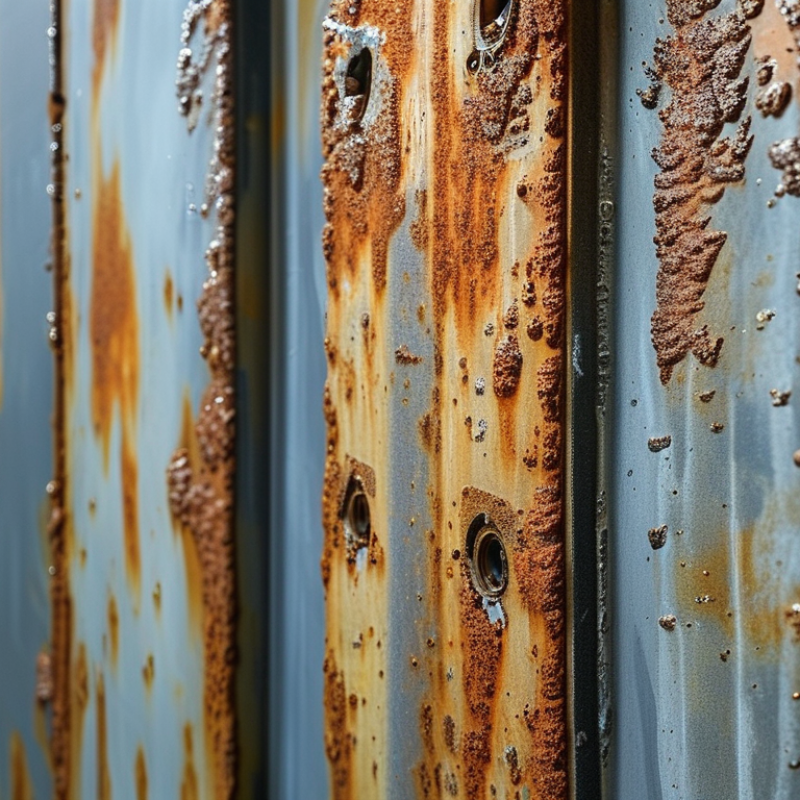
How to Choose Laser Cleaning or Sandblasting for Your Project?

Understanding the Principles of Laser Cleaning and Sandblasting Techniques

When deciding between laser cleaning and sandblasting, understanding their principles is crucial. Laser cleaning uses focused light beams to remove contaminants. This method is precise and minimizes damage to the underlying material. The high-energy light vaporizes surface impurities. It's effective for delicate surfaces, like historic buildings or intricate machinery.

On the other hand, sandblasting involves propelling abrasive particles at high velocity. This technique is great for heavy-duty applications. It can strip paint or rust from metal surfaces quickly. However, it can be abrasive and may lead to unwanted surface wear. Choosing between these methods requires careful consideration of the project’s needs.

Laser cleaning offers cleaner results with less mess. However, it may not be cost-effective for large areas. Sandblasting, while faster, demands protective measures to control dust. Both methods have their pros and cons. Understanding your project specifics will lead to a more informed decision.

Comparative Analysis: Efficiency and Effectiveness of Both Methods

When deciding between laser cleaning and sandblasting, it’s important to analyze their efficiency and effectiveness in various applications. Laser cleaning uses focused light to remove contaminants. It offers precision, making it ideal for delicate surfaces. The energy can be adjusted based on the material being treated. However, it may require specific skill to operate effectively.

On the other hand, sandblasting employs abrasive materials propelled at high speed. This method is robust and effective for large surface areas. It excels at removing rust and heavy coatings. Yet, it can sometimes damage the underlying material. The choice depends on the specific project requirements. Evaluating the type of surface is crucial. Efficiency varies based on the material and desired outcome.

Both methods have potential drawbacks. Laser cleaning may struggle with large-scale tasks. Its equipment can be costly. Sandblasting, while powerful, can create dust and debris, requiring thorough cleanup. Understanding these factors helps ensure the best choice for your project, balancing cost and effectiveness.

Material Compatibility: Which Cleaning Method Suits Your Project Best?

Choosing between laser cleaning and sandblasting hinges largely on material compatibility. Laser cleaning excels on delicate surfaces. It effectively removes contaminants without damaging the underlying material. For instance, a study by the International Society for Optics and Photonics shows that laser cleaning can reduce surface contamination rates by up to 90%. This precision makes it ideal for metals, plastics, and even sensitive electronic components.

In contrast, sandblasting is more aggressive. It's suitable for tougher materials, such as concrete and steel. However, it can lead to surface erosion. Research indicates that sandblasting may cause a 15% compromise in the surface texture of certain metals over time. When assessing your project's needs, consider both options. For intricate parts, laser cleaning may prove favorable. But for heavy-duty tasks, sandblasting may be necessary. Ultimately, the choice depends on the specific materials and desired outcomes of your project.

Cost Considerations: Budgeting for Laser Cleaning vs. Sandblasting

When deciding between laser cleaning and sandblasting, cost plays a crucial role. Laser cleaning typically involves higher upfront costs due to the advanced technology and equipment required. However, its precision can lead to significant savings in labor and material, especially for intricate projects. On the other hand, sandblasting is often more affordable to start, but it might require more frequent material expenditures and labor time.

Consider the long-term costs associated with each method. While sandblasting can be effective, it may cause more wear on surfaces, leading to additional maintenance costs down the line. Laser cleaning, although pricier initially, often results in less substrate damage. It’s essential to assess your project's specific needs.

Knowing the exact materials and surfaces involved can inform your decision. If your project requires high precision and minimal surface alteration, laser cleaning may be worth the investment. Conversely, for larger, less delicate tasks, sandblasting could be a cost-effective choice. It's vital to weigh these factors against your budget constraints and overall project goals. Think critically about potential hidden costs.

How to Choose Laser Cleaning or Sandblasting for Your Project? - Cost Considerations: Budgeting for Laser Cleaning vs. Sandblasting

Method Initial Equipment Cost Operational Cost (per hour) Material Removal Rate Maintenance Cost (annual) Typical Applications
Laser Cleaning $80,000 - $150,000 $50 - $100 1 - 5 sq. ft./min $2,000 - $5,000 Rust removal, paint stripping, delicate surfaces
Sandblasting $20,000 - $60,000 $25 - $75 5 - 20 sq. ft./min $1,000 - $2,500 Surface preparation, heavy rust removal, industrial applications

Environmental Impact: Sustainability Factors in Choosing a Cleaning Method

Choosing between laser cleaning and sandblasting for your project requires careful consideration of sustainability factors. Each method presents its own environmental impact. Laser cleaning typically utilizes less water and produces minimal waste compared to sandblasting. This is crucial as waste management continues to be a pressing issue. Laser systems focus their energy more efficiently, reducing emissions in the process.

Consider some tips while making your decision. Evaluate the cleaning efficiency of each method. Laser cleaning often requires fewer resources and has a lower carbon footprint. Conversely, sandblasting can create dust and noise pollution, impacting surrounding ecosystems. Assess the materials involved in the methods. Understanding the consumables used can reveal their long-term sustainability.

It's also important to reflect on project requirements. For delicate surfaces, laser cleaning minimizes abrasion risks. In contrast, sandblasting might not be suitable for sensitive materials. Safety should remain a priority. Protective measures are essential regardless of the chosen method, but they weigh more heavily with sandblasting due to potential debris hazards. Balancing these factors will guide you toward a more environmentally conscious choice.

FAQS

: What is the main difference between laser cleaning and sandblasting?

: Laser cleaning is gentle on delicate surfaces. Sandblasting is aggressive and suited for tougher materials.

When should I choose laser cleaning?

Opt for laser cleaning on intricate parts or sensitive materials. It effectively removes contaminants without causing damage.

What materials are ideal for sandblasting?

Sandblasting works well on concrete and steel. It is not suitable for delicate surfaces due to potential erosion.

How does laser cleaning affect the environment?

Laser cleaning uses less water and produces minimal waste. This makes it a more sustainable option than sandblasting.

What are the potential downsides of sandblasting?

Sandblasting can lead to dust and noise pollution. It may also cause surface erosion over time.

Is safety a concern with these cleaning methods?

Yes, safety is crucial. Sandblasting poses higher risks due to debris hazards. Protective measures are essential in both methods.

How do I decide on the best cleaning method for my project?

Consider material compatibility and project requirements. Weigh the efficiency and environmental impacts of each method.

Can laser cleaning handle electronic components?

Yes, laser cleaning is safe for sensitive electronic components. It ensures thorough cleaning without damaging them.

Are there any long-term effects of using sandblasting?

Yes, over time, sandblasting can compromise the surface texture of metals by about 15%. This should be considered in decision-making.

Conclusion

In deciding how to choose between laser cleaning and sandblasting for your project, it is essential to understand the principles behind each technique. Laser cleaning uses high-intensity light to remove contaminants, while sandblasting relies on abrasive materials propelled at high speeds. A comparative analysis reveals that laser cleaning is often more efficient for delicate surfaces and precision work, while sandblasting can be more effective for larger, tougher materials.

Material compatibility plays a crucial role in your decision; certain surfaces may respond better to one method over the other. Cost considerations are also key, as laser cleaning may entail higher initial expenses but potentially lower long-term costs due to reduced waste and cleanup. Additionally, evaluating the environmental impact of each method is important, as sustainability factors can influence your choice. Ultimately, a careful assessment of these elements will guide you in determining the most suitable cleaning method for your specific needs.

Sienna

Sienna

Sienna is a skilled marketing professional with a deep expertise in our company’s core products and services. With a passion for innovation and detail, she plays a pivotal role in crafting insightful blog posts that not only highlight the unique features of our offerings but also provide valuable......