How fast can a crawling robot clean a storage tank?

Time:2026-05-19 Author:Sienna
0%

The efficiency of maintenance in various industries greatly impacts productivity, particularly in storage tank management. A significant question arises: How fast can a crawling robot clean a storage tank? This inquiry taps into the intersection of robotics and industrial cleaning solutions. Crawling robots have emerged as a solution to reduce downtime and enhance safety, yet their effectiveness can vary.

Recent advancements have improved the design and functionality of these robots. They can maneuver through confined spaces, reaching areas humans often cannot. However, the speed at which they clean remains a critical factor. Various models exist, each with unique capabilities. Some may excel in speed but lack thoroughness, raising concerns about cleaning quality.

Fast cleaning is crucial for minimizing operational disruptions. However, speed should not compromise the thoroughness of the cleaning process. As industries increasingly rely on these technologies, continuous evaluation is necessary. Developers and users alike must reflect on the balance between speed and effectiveness. This balance is essential to maximize the benefits of robotic cleaning systems in storage tanks.
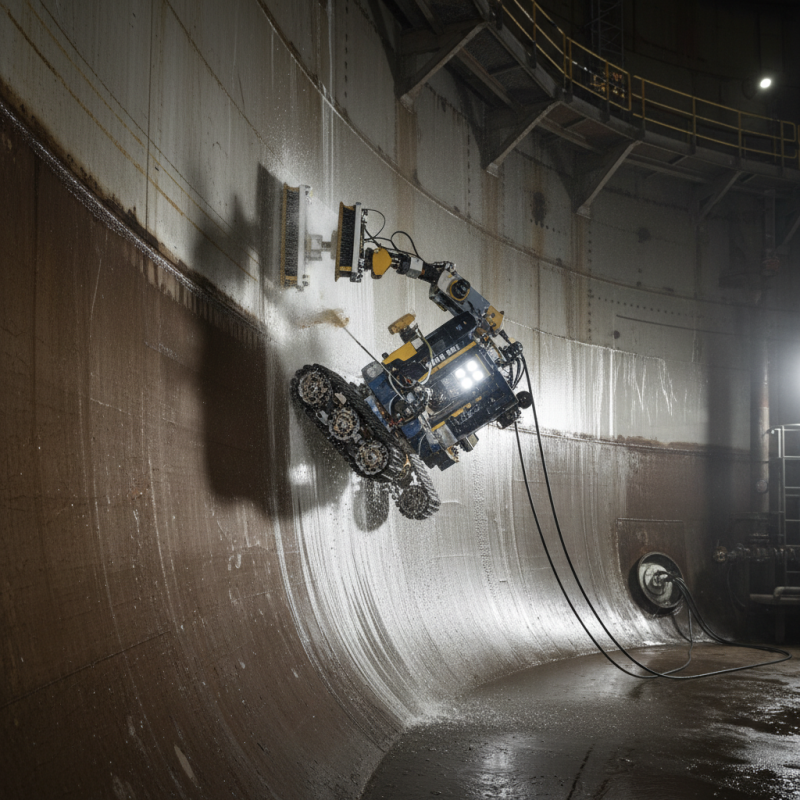
How fast can a crawling robot clean a storage tank?

Factors Influencing the Speed of Crawling Robots in Tank Cleaning

Crawling robots are changing the way storage tanks are cleaned. Their speed can vary greatly based on several key factors. One major element is the robot's design. A streamlined shape allows for quicker movement. However, adding more sensors can slow it down.

The environment inside the tank also plays a role. Rough surfaces can hinder progress. Debris accumulation can create obstacles. Moreover, the chemical composition of the tank contents affects the robot's mobility. Corrosive substances may slow down cleaning speed. A careful balance between speed and thoroughness is necessary.

Battery life is another factor. A robot needs enough charge to perform efficiently. Limited power can restrict speed and cleaning time. Programming and navigation algorithms must be optimized. Practical tests often reveal flaws that lead to inefficiencies. Continuous learning and adaptation are essential for improvement.

Types of Crawling Robots Used for Storage Tank Cleaning Operations

Crawling robots have revolutionized storage tank cleaning. These machines come in various designs, tailored for specific tasks. Some are equipped with brushes and scrapers, while others use high-pressure jets. Each type has unique advantages, making them suitable for different environments, materials, and contaminants.

When selecting a crawling robot, consider the tank's size and shape. Narrow tanks may require more agile designs. Heavy-duty models handle thick sludge better. For delicate surfaces, choose robots with softer cleaning attachments. This focus on task suitability enhances cleaning efficiency.

Tips: Regular maintenance of robots is crucial. Overlooking small repairs can lead to larger issues. Always keep spare parts handy. Additionally, familiarity with the robot's operational limits prevents accidents. Training operators thoroughly ensures safety and effectiveness during cleaning tasks.

Technological Advances Enhancing Crawling Robot Cleaning Efficiency

Crawling robots are transforming the way we clean storage tanks. Recent technological advancements have significantly improved their efficiency. These robots can navigate complex surfaces with ease, reaching areas that are often inaccessible. Equipped with advanced sensors, they can detect contaminants more effectively. This leads to more thorough and efficient cleaning processes.

The use of artificial intelligence enhances their functioning. AI algorithms analyze data in real-time to optimize cleaning paths. This reduces cleaning time and conserves resources. However, not all environments are ideal for robotic cleaning. Certain tank structures or materials may pose challenges that need addressing. Engineers are continually learning from these situations to improve designs.

Though crawling robots show promise, some limitations remain. Issues like battery life and maintenance can impact their performance. Frequent updates and software improvements can also present challenges for users. Continued research and development are essential. By addressing these concerns, the industry can strive for a more efficient future in tank cleaning.

Efficiency of Crawling Robots in Cleaning Storage Tanks

Comparative Analysis of Crawling Robots vs. Traditional Cleaning Methods

Crawling robots are changing the way we clean storage tanks. Unlike traditional methods, these robots navigate internal surfaces, reaching corners and crevices that are hard for humans to clean. They can operate continuously, reducing the overall time spent on cleaning. The efficiency is notable. However, the initial setup and programming take time. Operators need to ensure robots are properly calibrated for the tasks they face.

Traditional cleaning methods often involve manual labor, which can be more time-consuming. Workers must enter tanks and use hoses or brushes. This approach raises safety concerns and can lead to worker fatigue. On the other hand, manual cleaning may provide a more thorough inspection of the tank's state. The automation of crawling robots can create a gap in this thoroughness.

Despite their advancements, crawling robots have limitations. For example, they may struggle with heavy sludge or certain tank shapes. Also, not all robots are equipped with the necessary sensors for effective cleaning. Maintenance of the robots also requires attention, adding to overall costs. Comparing these methods requires careful consideration of the specific tank conditions and the nature of the cleaning task. Each approach has its merits and challenges.

Safety Considerations When Using Crawling Robots in Storage Tanks

The use of crawling robots in storage tanks raises several safety considerations. These autonomous devices provide significant efficiency but also present unique risks. According to the American Society of Mechanical Engineers (ASME), improper use can lead to environmental hazards or mechanical failure. Regular maintenance is crucial for these robots, as wear and tear can cause malfunctions.

Users must be aware of the confined space regulations. Crawling robots can navigate these tight areas but must be monitored carefully. A study by the National Institute of Standards and Technology (NIST) indicates that over 60% of accidents in confined spaces are due to improper safety protocols. This highlights the importance of training operators on emergency procedures before deployment.

**Tips:** Ensure robots undergo frequent inspections. Establish clear communication between team members. Always have a safety protocol in place for emergencies. These practices enhance the reliability of cleaning processes while minimizing potential risks.

FAQS

: What factors influence the speed of crawling robots in tank cleaning?

: The design, environment, battery life, and programming affect cleaning speed significantly.

How does the design of a robot impact its movement speed?

A streamlined shape allows for faster movement, but more sensors can slow the robot down.

In what ways does the tank environment affect robot performance?

Rough surfaces and debris can hinder movement. Corrosive contents may also slow down operations.

Why is battery life important for crawling robots?

Sufficient battery charge is essential for maintaining speed and efficiency during cleaning tasks.

What role do programming and navigation algorithms play?

Optimized algorithms are crucial; flaws can cause inefficiencies in operation that need addressing.

What are the main safety considerations with using crawling robots?

Regular maintenance, confined space regulations, and safety training for operators are key to preventing accidents.

How can operators enhance safety while using robots in tanks?

Frequent inspections and clear communication improve reliability and minimize risks during operations.

What percentage of accidents in confined spaces is due to improper safety protocols?

Over 60% of such accidents are linked to inadequate safety measures, emphasizing the need for training.

What should be established before deploying crawling robots?

A clear safety protocol and emergency procedures are crucial for any deployment process.

How can users ensure the efficiency of crawling robots?

Continuous learning, adaptation, and regular inspections help enhance robot performance over time.

Conclusion

The article titled "How fast can a crawling robot clean a storage tank?" explores the various factors that influence the cleaning speed of crawling robots utilized in storage tank maintenance. It highlights the different types of crawling robots that are currently in use, as well as recent technological advancements that enhance their cleaning efficiency. A comparative analysis illustrates the advantages of crawling robots over traditional cleaning methods, particularly regarding time and labor savings.

Furthermore, the article addresses crucial safety considerations related to the deployment of crawling robots within storage tanks, ensuring the protection of personnel and the integrity of the tanks. Overall, this discussion provides valuable insights into the operational efficiency and effectiveness of crawling robots in tank cleaning applications, emphasizing their potential to revolutionize the industry.

Sienna

Sienna

Sienna is a skilled marketing professional with a deep expertise in our company’s core products and services. With a passion for innovation and detail, she plays a pivotal role in crafting insightful blog posts that not only highlight the unique features of our offerings but also provide valuable......