Top Laser Cleaning Lens Lifespan How Long Does It Last?

Time:2026-10-28 Author:Liam
0%

How long does a laser cleaning lens last? The honest answer is less simple than a product label suggests. A protective lens may operate for several weeks, months, or years, depending on its environment and workload. Short answer: it depends.

Laser cleaning systems expose optics to reflected energy, dust, vaporized coatings, and thermal stress. A lens used for light rust removal in a controlled workshop faces different conditions from one cleaning paint, oil, or heavy scale. Even a thin gray film can scatter the beam, raise absorption, and create a visible hot spot on the glass. The damage may begin quietly.

Industry data supports this cautious view. MarketsandMarkets and Grand View Research identify rising adoption of laser cleaning across manufacturing, automotive, aerospace, and maintenance applications. However, these market reports do not establish one universal lens lifespan. That gap matters. Lens manufacturers usually describe service life through coating durability, power density, wavelength, contamination limits, and inspection procedures instead of fixed calendar years.

ISO 11146 supports accurate beam measurement, while IEC 60825-1 provides a recognized framework for laser safety. Neither standard promises a specific protective-lens lifetime. Reliable estimates require operating records. Track laser power, pulse frequency, material type, cleaning distance, lens temperature, and replacement intervals. Inspect the lens under angled light. Look for haze, pinpoints, rainbow discoloration, edge chips, or uneven transmission.

A practical expectation may be hundreds to thousands of operating hours in clean, well-controlled conditions. That is only a planning range, not a guarantee. I have seen maintenance teams replace lenses too late because the beam still appeared usable. Performance had already declined. The safest conclusion is simple: proper alignment, clean air, correct standoff distance, and timely inspection often matter more than the advertised lifespan.
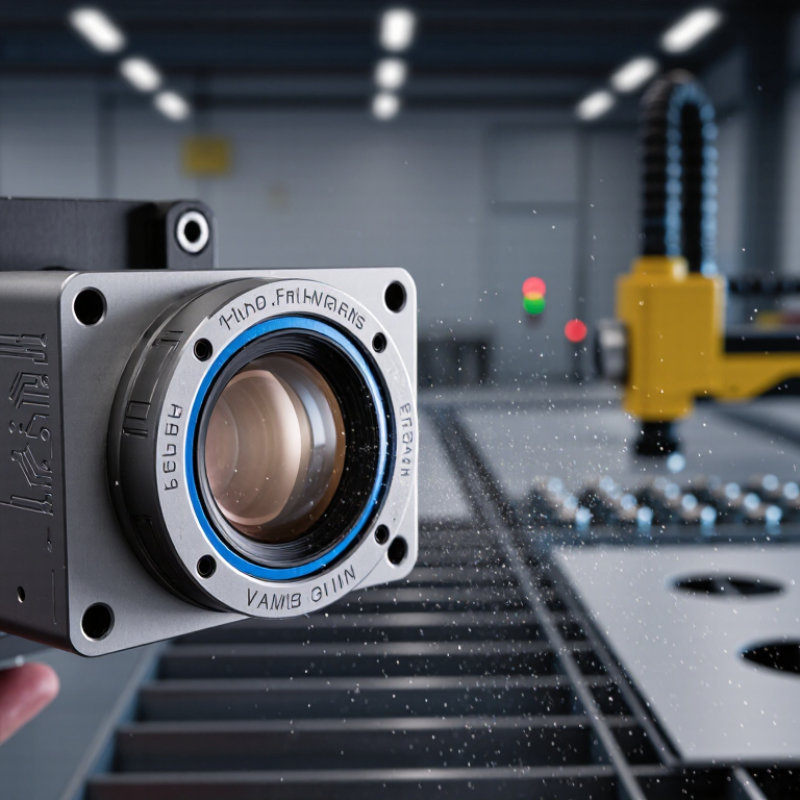
Top Laser Cleaning Lens Lifespan How Long Does It Last?

What Is a Laser Cleaning Lens and What Does It Do?

A laser cleaning lens is a precision optical component inside the cleaning head. It helps guide and focus the laser beam onto the target surface. In many systems, a protective window also shields internal optics from dust, smoke, and tiny particles removed during cleaning. Without this barrier, contamination can scatter the beam and reduce cleaning accuracy.

The lens does more than transmit light. Its surface must remain clear and correctly aligned under heat. During practical inspections, technicians often look for cloudy areas, dark burn marks, fine scratches, or uneven cleaning lines. These signs may indicate that the lens is absorbing too much energy. A simple white-light inspection can reveal problems before they become severe. Handle the lens with clean gloves and approved optical tissue. Ordinary cloth can leave fibers or create scratches.

There is no universal lifespan for a laser cleaning lens. A lens used for short indoor sessions may last months or longer, while heavy industrial work can damage it within days or weeks. Power level, working distance, surface contamination, and cleaning habits all matter. A fixed lifespan number sounds useful, but it can mislead. Replace the lens when damage affects beam quality, not only when a calendar date arrives. In some cases, operators replace lenses too late because the machine still produces light. That judgment needs improvement. Reduced performance is often an optical warning, not a software fault. Always follow the equipment’s service limits and have qualified personnel verify alignment.

What Determines the Service Life of a Laser Cleaning Lens?

Top Laser Cleaning Lens Lifespan: How Long Does It Last?

What Determines the Service Life of a Laser Cleaning Lens?

A laser cleaning lens rarely has one guaranteed lifespan. In practical maintenance, some lenses remain usable for hundreds of hours. Others show damage much earlier. The difference usually comes from working conditions, not luck.

Contamination is a major factor. Dust, smoke, metal particles, and residue can absorb laser energy. This creates hot spots on the lens surface. Even a small fingerprint may leave a burned mark. Keep the lens clean and inspect it before every shift. Use approved optical wipes, not ordinary cloth. A clean lens is not automatically a healthy lens.

Laser power, focus position, scanning speed, and airflow also affect service life. Excessive power density can cause coating discoloration or tiny pits. Poor ventilation may push debris back toward the optics. Moisture and temperature changes can create condensation during storage. Handle the lens by its edge. Store it in a sealed, dry container.

Inspection records improve reliability. Note operating hours, visible haze, scratches, and cleaning frequency. Replace the lens when transmission drops, the beam pattern changes, or damage appears near the center. Waiting for complete failure is a costly habit. Sometimes, the inspection decision feels subjective. That is why consistent records matter more than a single visual check.

A laser cleaning lens does not have a fixed universal lifespan. In practical use, a protected lens may last several months to more than two years, while heavy dust, high reflected heat, incorrect focus, and poor cleaning practices can shorten its service life considerably. The values below are indicative service-life ranges for comparison, not guaranteed replacement schedules.

Typical Lifespan of Different Laser Cleaning Lenses

Top Laser Cleaning Lens Lifespan: How Long Does It Last?

A laser cleaning lens has no fixed expiration date. Its service life depends on laser power, wavelength, pulse frequency, dust levels, and cleaning habits. In practical maintenance, a protective window often lasts 100 to 500 operating hours in dusty workshops. Clean, enclosed systems may exceed 1,000 hours. Replace it sooner when you see gray haze, burn marks, circular stains, or visible coating damage.

A focusing lens commonly lasts 2,000 to 5,000 hours under controlled conditions. A collimating lens may remain reliable for 3,000 to 8,000 hours because it usually faces less direct contamination. Scan or field lenses can serve for five to ten years, but only when temperature, humidity, and airborne particles stay controlled. These figures are useful estimates, not guarantees.

Small defects matter.

A thin oil film can scatter energy and create a hot spot on the workpiece. That hot spot can damage the coating within minutes. Inspect the optics weekly, especially after cleaning painted, oily, or rusty surfaces. Use approved optical tissue and solvent, never dry cloth or compressed air from an unfiltered line. Check output stability, beam shape, and lens temperature. I have found that replacement schedules are often too optimistic. Operators may continue using a lens after its transmission has already declined. Record operating hours and inspection photographs, then compare them over time.

Signs That a Laser Cleaning Lens Needs Replacement

Top Laser Cleaning Lens Lifespan: How Long Does It Last?

A laser cleaning lens may last from several months to a few years. Its service life depends on power, working distance, dust levels, and maintenance habits. A clean industrial workspace usually protects the lens longer. Heavy smoke, metal dust, and incorrect focus can shorten its life quickly. In real use, lifespan estimates are only guidelines. Small changes matter.

The clearest replacement sign is a cloudy, yellowed, or scratched lens surface. You may also notice weaker cleaning results, uneven energy, or a wider beam spot. Dark thermal marks around the lens edge suggest repeated overheating. Tiny contamination spots can become permanent damage if the lens stays hot. Watch the edges. A burning smell or visible coating damage requires immediate shutdown and inspection. Never touch the optical surface with bare fingers, because skin oil can create hot spots.

Tips: Inspect the lens before each work session with the equipment switched off and cooled. Use approved optical cleaning materials and gentle, controlled movements. Do not keep polishing a lens with deep scratches; this can spread contamination. Compare the beam pattern with a known good result, and record changes over time. If performance remains unstable after cleaning, replace the lens according to the equipment’s technical specifications. I have found that users often replace lenses too late, although some replace them after harmless dust appears. That judgment needs care.

How to Extend the Lifespan of a Laser Cleaning Lens

A laser cleaning lens often lasts from several months to a few years. Its actual lifespan depends on power, cleaning frequency, dust levels, and handling. A lens exposed to metal dust may degrade quickly, even during normal operation. Cloudy spots, uneven cleaning lines, and reduced beam strength are early warning signs.

Keep the lens surface clean and inspect it before every shift. Use approved optical tissue and suitable cleaning fluid. Never wipe away dry particles, because they can create fine scratches. Store spare lenses in sealed containers, away from moisture and workshop dust. Correct focus also matters. An incorrect focal distance can increase heat and damage coatings. I have seen operators replace lenses too late, hoping performance would recover. It rarely does.

Tips: Check the lens under bright, angled light. Clean the protective window after dusty jobs. Avoid touching glass with bare fingers. Record cleaning dates and visible changes. Replace the lens when stains remain after careful cleaning. Do not over-clean it, either. That small mistake is easy to miss. A stable air supply, careful alignment, and regular inspection can extend service life noticeably. However, maintenance records are not perfect evidence alone. Compare them with actual beam quality and cleaning results.

Top Laser Cleaning Lens Lifespan: How Long Does It Last and How to Extend Its Lifespan?
Lens or Optical Component Typical Service Life Main Operating Conditions Common Causes of Shortened Life Recommended Maintenance Replacement Indicators
Protective window lens 50–500 operating hours Directly exposed to dust, fumes, spatter, and reflected debris during cleaning Contamination, overheating, scratches, coating damage, and incorrect installation Inspect before each shift; clean with approved optical tissue and solvent; replace when contamination cannot be removed Persistent haze, dark spots, cracks, visible coating damage, or reduced laser output
Focusing lens 1,000–5,000 operating hours Located inside the optical path and normally protected from direct process contamination Dust entering the optical housing, thermal shock, excessive laser power, and poor alignment Keep the optical housing sealed; inspect during scheduled service; avoid touching the optical surface Uneven focal spot, loss of cleaning efficiency, distortion, or permanent discoloration
Collimating lens 2,000–10,000 operating hours Usually protected within the laser head and exposed mainly to internal dust or heat Contaminated cooling air, thermal stress, optical misalignment, and laser power beyond specification Maintain clean, dry cooling air; check airflow and temperature; schedule periodic optical inspection Beam divergence changes, unstable spot size, power loss, or visible optical damage
Quartz or fused-silica protective lens 100–1,000 operating hours Suitable for high-temperature laser cleaning when the surface is kept clean Rapid contamination buildup, abrasive wiping, thermal shock, and chemical deposits Allow the lens to cool before cleaning; use lint-free materials; replace rather than polish damaged surfaces Cloudiness, pitting, burns, chips, or measurable transmission loss
Polymer protective lens 20–200 operating hours Lower-temperature or less demanding applications with limited heat exposure Heat deformation, solvent incompatibility, scratching, and prolonged exposure to high-power radiation Use only compatible cleaning materials; keep exposure time and power within the optical specification Warping, yellowing, cracking, haze, or loss of beam quality
Lens used in a clean, low-dust environment Longer lifespan Low airborne contamination, stable temperature, and controlled material removal Insufficient inspection or accidental contact during handling Use protective caps, filtered air, and clean handling procedures Normal wear is generally gradual; replace after inspection confirms optical degradation
Lens used in a dusty or high-fume environment Shorter lifespan Heavy dust, paint, rust, oil, or vapor generated during cleaning Deposits absorb laser energy and create localized heating, which can damage coatings Increase inspection frequency; improve extraction and shielding; clean before deposits bake onto the surface Rapid formation of stains, hot spots, smoke, or repeated cleaning-power reduction
Lens exposed to reflected laser energy Potentially very short Highly reflective metals or incorrectly positioned workpieces can redirect energy toward the lens Back-reflection, excessive energy density, incorrect focal distance, and unsuitable process settings Use correct working distance and scan settings; evaluate reflective materials before operation Sudden darkening, cracking, coating burn marks, or abrupt loss of laser transmission
Lifespan values are practical industry estimates rather than guaranteed ratings. Actual service life depends on laser wavelength and power, duty cycle, material being cleaned, contamination level, airflow, lens quality, working distance, and maintenance practices. A lens should be replaced immediately if it is cracked, chipped, burned, permanently hazy, or unable to transmit the required beam safely.

FAQS

What is a laser cleaning lens?

It is a precision optical component inside the cleaning head. It guides and focuses the laser beam onto the target surface. A protective window may shield internal optics from dust and smoke.

What does the protective window do?

It blocks particles removed during cleaning. Without this barrier, contamination can scatter the beam and reduce accuracy. It needs regular inspection.

How long does a laser cleaning lens last?

There is no universal lifespan. A protective window may last 100 to 500 operating hours in dusty workshops. Clean, enclosed systems may exceed 1,000 hours. These figures are estimates, not promises.

How long do different lens types usually last?

A focusing lens commonly lasts 2,000 to 5,000 hours under controlled conditions. A collimating lens may last 3,000 to 8,000 hours. Scan or field lenses can serve five to ten years. Conditions can change everything.

What signs show that a lens needs replacement?

Look for gray haze, cloudy areas, burn marks, circular stains, scratches, or coating damage. Uneven cleaning lines and reduced beam strength also matter. Small defects matter.

How should the lens be cleaned?

Inspect it under bright, angled light. Let dry particles fall away without wiping them first. Use clean gloves, approved optical tissue, and suitable cleaning fluid. Never use ordinary cloth or unfiltered compressed air.

How can operators extend lens service life?

Inspect the lens before every shift. Clean the protective window after dusty work. Keep spare lenses sealed and dry. Maintain correct focus, stable air, and careful alignment. Do not over-clean it.

Should a lens be replaced by calendar age?

Not necessarily. Replace it when damage affects beam quality or cleaning results. Compare operating hours, inspection photographs, beam shape, and output stability. Operators sometimes wait too long. That assumption needs checking.

Conclusion

A laser cleaning lens is a precision optical component that focuses and directs the laser beam while helping maintain stable cleaning performance. How long does a laser cleaning lens last depends on several factors, including lens material, optical power, cleaning frequency, surface contamination, operating temperature, and the quality of handling and maintenance. In typical conditions, a well-maintained lens may serve for several months to several years, while lenses exposed to heavy dust, smoke, heat, or frequent high-power operation may require replacement much sooner.

Common warning signs include reduced cleaning efficiency, an uneven beam, visible haze, scratches, cracks, discoloration, or persistent residue that cannot be removed safely. To extend service life, operators should inspect the lens regularly, keep the work area clean, use suitable protective equipment, follow proper installation procedures, and clean the surface with approved methods. Avoiding excessive pressure, overheating, and unnecessary exposure to contaminants can also help preserve optical quality and ensure consistent laser cleaning results.

Liam

Liam

Liam is a dedicated marketing professional with a profound expertise in the industry, where he excels at highlighting the unique advantages of our core products. With a keen understanding of market trends and consumer needs, Liam frequently updates our company’s professional blog, providing......