How to Optimize Welding Parameters for Aluminum Alloys?

Time:2026-06-04 Author:Madeline
0%

Welding aluminum alloys presents unique challenges. The right parameters can significantly affect the quality and strength of the weld. But how to optimize welding parameters for aluminum alloys? Finding the optimal settings requires careful consideration of various factors. These include material thickness, heat input, and electrode composition.

Understanding the properties of aluminum is essential. Aluminum has a lower melting point than many metals. This characteristic demands precision in heat management. Too much heat can lead to burn-through or warping. On the other hand, inadequate heat can result in poor fusion.

Trial and error often play a role in this optimization process. Skilled welders frequently reflect on previous projects. They learn from mistakes, adjusting parameters for better results. Exploring new techniques can also enhance proficiency. Ultimately, refining welding parameters ensures stronger, more reliable joints in aluminum alloys.
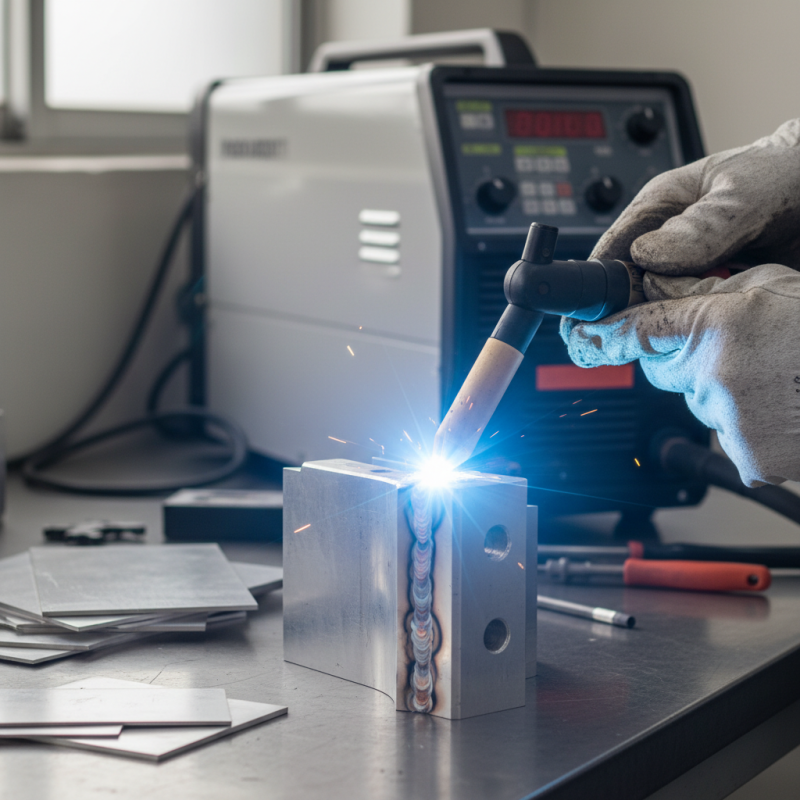
How to Optimize Welding Parameters for Aluminum Alloys?

Understanding Aluminum Alloys and Their Welding Characteristics

Understanding aluminum alloys is crucial for successful welding. Aluminum is lightweight, yet strong. Different alloys have unique properties. These properties affect weldability and performance. For example, 6061 aluminum is often used for its excellent corrosion resistance and weldability. However, it can be challenging to weld if not properly prepared.

When welding aluminum, it’s essential to consider factors like joint design and filler material. A poor joint design can lead to weak welds. The filler material must match the aluminum alloy for optimal results. Some alloys require preheating to avoid cracking. Understanding these characteristics helps avoid mistakes that can compromise the integrity of your welds.

Welding parameters, such as heat input and travel speed, also play a significant role. Too much heat can cause distortions. Insufficient heat can lead to incomplete fusion. Each alloy’s melting point varies, making it important to adjust these parameters accordingly. Regular practice and experimentation can reveal insights that books may overlook. Learning from failures is part of the process, providing invaluable experience for future projects.

Identifying Key Welding Parameters for Aluminum Alloys

When optimizing welding parameters for aluminum alloys, several key factors must be considered. Aluminum has unique properties that require precise control during the welding process. According to the American Welding Society, the most critical parameters include voltage, amperage, travel speed, and shielding gas composition. Improper settings can lead to defects such as porosity, lack of fusion, and excessive spatter.

One important tip is to maintain a consistent travel speed. A study from the International Institute of Welding found that variations in travel speed could impact bead shape and penetration depth significantly. For effective welding, a travel speed of 5 to 10 inches per minute is often ideal for thin aluminum sections. However, the right speed varies depending on the specific alloy and thickness being welded.

Another key parameter is the selection of the shielding gas. Argon is commonly used for welding aluminum, but the addition of helium can improve heat input. A balanced gas mixture helps enhance arc stability. Experimentation is necessary since different alloys may respond uniquely. Monitoring the weld pool and adjusting parameters in real-time can also reduce defects. Regular analysis of weld qualities is crucial. Without this, optimal parameters can remain elusive, underscoring the need for continuous learning and adaptation in welding practices.

How to Optimize Welding Parameters for Aluminum Alloys?

Welding Parameter Recommended Value Impact on Welding
Voltage (V) 24 - 28 V Affects arc stability and penetration depth
Amperage (A) 150 - 200 A Influences heat input and weld pool characteristics
Travel Speed (IPM) 8 - 12 IPM Determines weld bead size and shape
Shielding Gas Type Argon or Argon/Helium Mix Affects weld appearance and porosity
Filler Material 4047 or 4045 Influences joint strength and corrosion resistance

Adjusting Heat Input and Travel Speed for Optimal Welding

When optimizing welding parameters for aluminum alloys, adjusting heat input is crucial. Heat input affects the weld's softness, penetration, and overall strength. An inadequate heat input may lead to poor fusion between passes or insufficient penetration. However, excessive heat can cause warping and unwanted changes in aluminum's microstructure. Testing different heat inputs helps to find the sweet spot.

Travel speed is another vital factor. Slower travel speeds can increase heat, while faster speeds reduce it. A balance must be struck to achieve optimum results. If the travel speed is too fast, the weld pool can become insufficiently formed. It may lead to improper bead appearance and weak joints. Conversely, moving too slowly can create excessive heat, risking distortion and burn-through.

Welding aluminum alloys demands careful experimentation and experience. Even minor adjustments in speed and heat input can yield significant changes. Documenting each attempt will reveal patterns, aiding future projects. Engaging in reflective practices ensures continuous improvement in your welding techniques. A fixed method may not always yield optimal results, so remain flexible and observant.

Selecting the Right Filler Material for Aluminum Welding

When it comes to welding aluminum alloys, choosing the right filler material is crucial. Aluminum alloys can vary widely in composition, affecting their welding characteristics. Selecting a filler material that matches the alloy type ensures better fusion and strength. Common filler materials include 4047, 5356, and 4045. Each has unique properties suitable for specific applications.

Using a filler that mismatches the base alloy can lead to defects. Poor adhesion and reduced strength may occur. For instance, 4047 works well with aluminum-silicon alloys. However, it may not suit 7000-series alloys due to their high zinc content. Always check compatibility charts or consult with a welding expert for guidance.

It’s also vital to consider the welding method. TIG, MIG, and stick welding each have their preferred fillers. After selection, test your setup. Flaws can often reveal themselves in practice. Adjusting parameters like voltage and feed rate may help. Don't hesitate to revisit your filler choice if issues arise. Each project brings unique challenges, and learning from mistakes is part of the process.

Evaluating Post-Welding Treatments to Enhance Joint Quality

Post-welding treatments play a crucial role in enhancing the quality of aluminum alloy joints. After welding, residual stresses can lead to distortion or cracking. Techniques such as stress relieving and heat treatment are vital. These methods help to redistribute stresses and improve mechanical properties. Heat treatments must be carefully controlled. Overheating can degrade the alloy and reduce joint strength.

Another effective approach is the use of surface treatments. Options like anodizing and coatings can enhance corrosion resistance. These treatments add a protective layer, which is essential in harsh environments. However, it is important to ensure proper surface preparation before applying these treatments. Inadequate cleaning can lead to poor adhesion and compromised joint integrity.

Despite the benefits, some challenges remain. Factors like the original welding conditions and the specific alloy in use can impact the effectiveness of post-welding treatments. Often, welders must adjust their strategies based on the results they observe. Continuous learning and adaptation are necessary for achieving optimal results. Each project offers new lessons in the quest for excellence in welded components.

FAQS

: What are the key welding parameters for aluminum alloys?

: Key parameters include voltage, amperage, travel speed, and shielding gas composition. Proper settings are crucial to avoid defects.

How does travel speed affect welding?

A consistent travel speed is vital. Speeds of 5 to 10 inches per minute are often ideal, but this varies by alloy and thickness.

Why is shielding gas important in aluminum welding?

Shielding gas protects the weld pool. Argon is common, and adding helium can improve heat input and arc stability.

What role does heat input play in welding?

Heat input affects weld strength and penetration. Too little heat may cause poor fusion; too much can warp the material.

How does adjusting travel speed impact welding quality?

Slower speeds can increase heat while faster speeds decrease it. Finding the right balance is essential for strong, proper welds.

Why is filler material selection critical?

Matching the filler material to the alloy type ensures better fusion and strength. Mismatched fillers lead to adhesion issues and reduced strength.

How do I choose the right filler material?

Consider the alloy's composition and the welding method. Common fillers include 4047, 5356, and 4045, each suitable for different alloys.

What should I do if I encounter welding defects?

Revisit your filler choice and adjust parameters like voltage. Flaws can reveal issues that require attention.

Is experimentation important in welding practices?

Yes, careful experimentation helps identify optimal settings. Documenting changes provides patterns for future projects.

How can I ensure continuous improvement in welding techniques?

Engage in reflective practices and remain flexible. Learn from mistakes to enhance your skills and adjust methods as needed.

Conclusion

When considering how to optimize welding parameters for aluminum alloys, it is essential to first understand the unique characteristics of these materials. Aluminum alloys require specific welding techniques due to their thermal conductivity and susceptibility to oxidation. Identifying key welding parameters, such as current, voltage, and travel speed, plays a critical role in achieving a successful weld.

Additionally, adjusting heat input and travel speed can significantly affect the quality of the weld, helping to avoid common issues like warping or cracking. Selecting the appropriate filler material is also crucial, as it influences the strength and durability of the welded joint. Finally, evaluating post-welding treatments is important for enhancing joint quality and ensuring long-term performance. By focusing on these factors, one can effectively optimize welding parameters for aluminum alloys.

Madeline

Madeline

Madeline is a dedicated marketing professional with a wealth of expertise in our company's core offerings. With a keen understanding of the industry, she brings a unique perspective to her role, consistently delivering high-quality content that highlights the superior aspects of our products. As......