In the world of robotic welding, efficiency and precision are paramount. However, many users face a common frustration: "Why is my robotic welder leaving splatter?" This issue can lead to additional clean-up costs and can degrade the quality of the welds. Understanding the root causes is essential for any operator.
Splatter may result from various factors, including incorrect settings and poor material quality. For example, if the welding speed is too high or the arc length is too short, splatter production increases. Additionally, contaminated surfaces can further exacerbate the problem. Addressing these issues can substantially improve results.
Operating a robotic welder requires a blend of technical knowledge and hands-on experience. Troubleshooting splatter can feel daunting, but the insights gained are invaluable. Reflecting on the alignment of your processes might be necessary. This approach not only resolves the splatter issue but also enhances overall welding performance.
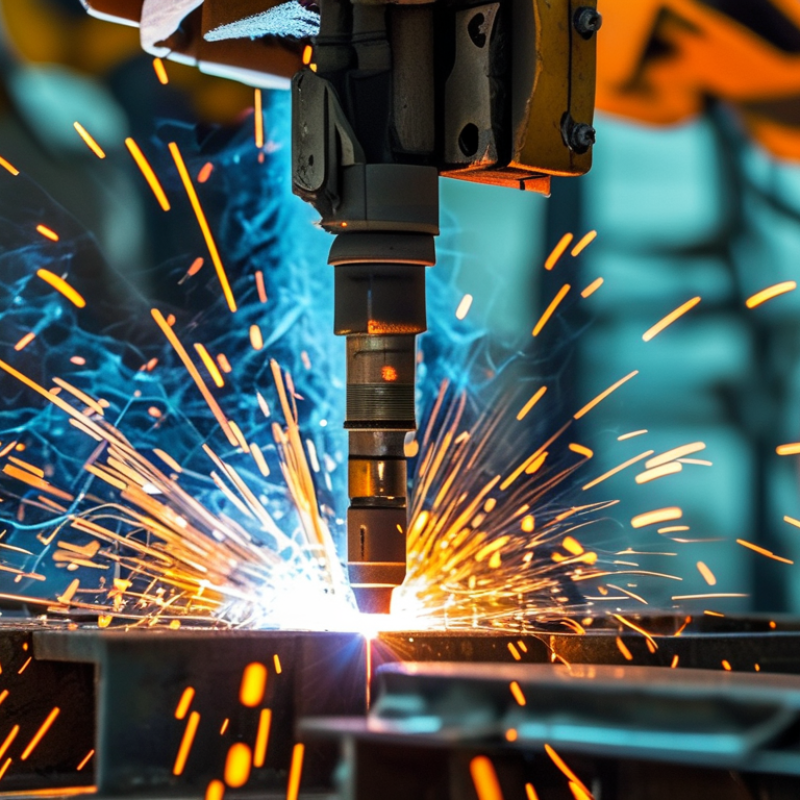
The formation of splatter in robotic welding is often a concern for operators. Understanding the basics of splatter formation is crucial. Splatter is primarily caused by improper settings during the welding process. Factors such as voltage, travel speed, and wire feed speed directly influence the amount of splatter produced.
When traveling too fast, the metal might not melt evenly. This can lead to inconsistent welds and excessive splatter. If the voltage is set too high, it can cause the electrode to arc more aggressively. The result? Unwanted splatter that contaminates the weld area.
**Tip:** Regularly calibrate your welding settings. This ensures optimal performance and reduces splatter.
Material cleanliness is another aspect to consider. Depending on the surface quality, contaminants can react with the molten metal, causing excessive splatter. Always ensure the workpieces are free of oil, rust, and dust.
**Tip:** Create a cleaning schedule for your materials. This small step can significantly improve weld quality.
Inconsistent wire feed can also lead to splatter issues. If the feed is erratic, it can disrupt the arc stability. Maintaining a consistent wire feed is essential for minimizing splatter and achieving quality welds.
**Tip:** Monitor wire feed during operations. Adjustments may be necessary to ensure smooth operation.
| Reason | Description | Potential Solution |
|---|---|---|
| Improper Wire Feed Speed | If the wire feed speed is too fast, it can lead to excess molten material. | Adjust the wire feed speed settings to the optimal level. |
| Incorrect Welding Voltage | Too high or too low voltage can create unstable arcs, causing splatter. | Calibrate the welding voltage to recommended specifications. |
| Improper Contact Tip Geometry | Wear or incorrect shape of the contact tip can affect the arc stability. | Regularly inspect and replace contact tips as needed. |
| Contaminated Workpiece Surface | Dirt, oil, or rust on the material can react with the weld, causing splatter. | Ensure that all surfaces are clean prior to welding. |
| Wrong Nozzle Size | A nozzle that is too large or too small can affect shielding gas flow. | Use the recommended nozzle size for the specific application. |
| Inadequate Shielding Gas Coverage | Insufficient shielding gas can lead to oxidation and increased splatter. | Check gas flow rates and make necessary adjustments. |
| Incorrect Welding Speed | Too fast or too slow welding can introduce excess material or lack penetration. | Optimize the welding speed for the material and joint configuration. |
| Poor Robotic Calibration | Misconfigured robotic settings can lead to improper weld execution. | Regularly calibrate and maintain robotic systems. |
| Environmental Factors | Drafts and temperature variations can affect arc stability. | Control the welding environment to minimize external influences. |
: Splatter is primarily caused by improper settings during the welding process. Factors include voltage, travel speed, and wire feed speed.
Traveling too fast can prevent even melting of metal, leading to excessive splatter and inconsistent welds.
Setting the voltage too high can cause aggressive arcing, resulting in unwanted splatter that contaminates the weld area.
Contaminants on workpieces can react with molten metal, causing excessive splatter. Clean surfaces are essential for quality welding.
Create a cleaning schedule for workpieces to ensure they are free from oil, rust, and dust. This can enhance weld quality.
Inconsistent wire feed disrupts arc stability. Maintaining a steady feed is essential to minimize splatter and achieve quality welds.
Aluminum produces up to 30% more splatter than steel due to its lower melting point, necessitating tailored welding settings.
Steel generally offers a more consistent surface, while aluminum oxidation can hinder welding and increase splatter and defects.
Adjustments in arc length and travel speed are vital when moving from steel to aluminum to prevent inconsistent welds.
Excessive splatter can compromise weld quality and integrity, possibly requiring rework and leading to inefficiencies in the welding process.
In the realm of robotic welding, a common concern arises: "Why is my robotic welder leaving splatter?" Understanding the fundamentals of this issue begins with grasping the basics of splatter formation, which can be influenced by various factors. Material selection plays a crucial role, as the welding characteristics of steel differ significantly from those of aluminum, ultimately affecting the quality of the weld and the amount of splatter generated.
Moreover, the welding parameters—such as voltage, speed, and amperage—are critical in controlling splatter production. Environmental factors, including room temperature and humidity, can exacerbate the issue, highlighting the need for optimal working conditions. Lastly, regular maintenance and thorough inspections of the welding equipment are vital for minimizing splatter and ensuring consistent weld quality. Addressing these aspects can significantly improve welding performance and mitigate the problem of unwanted splatter.

 Mobo Robot