Laser cleaning can remove rust, paint, and surface residue without abrasive media, but the right process depends on the material and the job. What is the difference between pulsed and continuous laser cleaning? A pulsed laser delivers energy in brief bursts, while a continuous laser emits a steady beam. That difference affects heat transfer, cleaning speed, and the risk of altering a delicate surface. Small details matter.
In practice, a technician may compare a pulsed system on a thin, coated panel with a continuous system on a thick steel part. The settings, beam movement, and surface condition all influence the result. A pulse that works well on one coating may leave another uneven. Continuous energy can suit some robust surfaces, but excessive heat may cause discoloration or damage. Heat is the concern.
This guide shares five practical tips for comparing the two approaches, from matching laser settings to the workpiece to checking the cleaned area under good lighting. It also considers productivity, operator control, and equipment requirements. The best choice is not always obvious, and a quick demonstration can be misleading. Test a small, representative area first, follow the equipment manufacturer’s instructions, and document the settings that produce a consistent result. Not every time will be perfect; careful inspection helps reveal why.
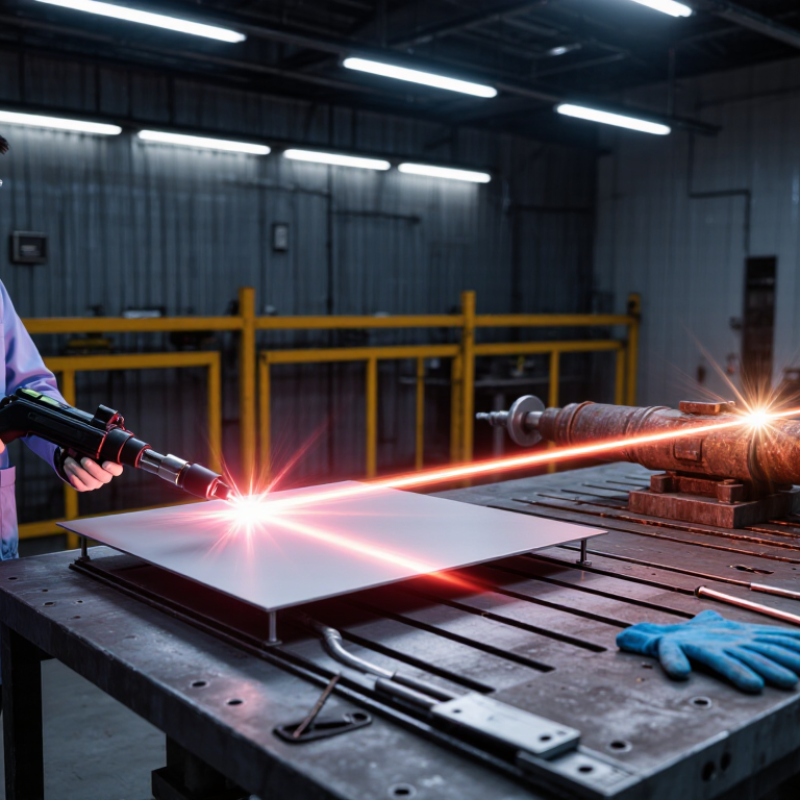
Pulsed and continuous-wave lasers remove contamination through different energy patterns. A pulsed source releases brief bursts of high peak power. These bursts heat a tiny surface area rapidly, helping lift rust, paint, or oxide before much heat spreads into the base material. A continuous-wave source delivers energy steadily. Its moving beam heats the surface for longer, which can suit thick coatings or fast, broad cleaning passes. The result depends on material, coating thickness, scan speed, and focus—not the laser type alone.
DOE’s 2023 Industrial Decarbonization Roadmap estimates that industry accounts for about 30% of U.S. energy use. That figure is not a laser-cleaning comparison, but it underlines why operators should measure energy per cleaned area, not just source power. In practice, inspect the surface after a small test pass. Watch for discoloration, pitting, and residue. A setting that looks fast may also heat the substrate more than intended. That is easy to miss.
Tips: Choose pulsed operation when limiting heat input matters, such as near thin sheet edges or delicate parts. Try continuous-wave operation for robust surfaces and thicker layers, while monitoring temperature and finish. Record pulse energy, repetition rate, scan speed, and spot size; changing one variable at a time makes results easier to reproduce. ISO 11553-1:2020 addresses safety for laser-processing machinery, so include enclosure, interlocks, and trained operation in process planning. A clean-looking patch is not proof of uniform cleaning.
5 Tips for Pulsed vs Continuous Laser Cleaning
Key Differences in Heat Input and Cleaning Speed
Heat input is the main trade-off. A pulsed source delivers energy in brief bursts, leaving cooling intervals between pulses. A continuous-wave source delivers energy without those gaps, so heat can build up as the beam travels. Fraunhofer ILT’s laser-processing guidance emphasizes matching process parameters to the material and task; there is no single setting that guarantees fast cleaning without damage. For example, at 100 W average power and 100 kHz, each pulse carries 1 mJ. That calculation helps compare settings, but it does not predict surface temperature by itself. Beam size, overlap, coating thickness, and scan speed matter too.
Speed depends on what counts as “clean.” Continuous beams can remove broad, heavy layers quickly, but excess heat may discolor thin sheet or warm nearby components. Pulsed systems often offer finer control on delicate surfaces, though tight pulse spacing or repeated passes can still heat the workpiece. ISO 11553-1:2020 addresses safety requirements for laser processing machines; it is not a cleaning-speed benchmark, so published speed claims should be checked against the material, layer thickness, and acceptance criteria. Watch the surface, not just the settings. A small test patch can reveal residue, color change, or unwanted texture before production. I would not assume pulsed always means cooler: high overlap can erase that advantage.
Pulsed and continuous lasers behave differently at the surface. Pulsed systems deliver brief bursts of energy, which can remove thin oxide, soot, or paint from heat-sensitive parts with less overall heat buildup. They may suit a marked aluminum panel or a small area beside a seal. Short pulses help limit thermal spread, but they do not guarantee a damage-free result. Wavelength, pulse energy, and the contaminant’s absorption all matter.
Continuous lasers apply energy steadily. On a large, robust steel plate with broad rust or coating, that sustained delivery can make cleaning faster. It can also heat the substrate more, so thin sheet metal, polished finishes, and nearby adhesives need extra care. Match the method to both layers: a stubborn coating over a delicate base may need lower power, slower passes, or another process. There is no neat shortcut.
Inspect a small test area under the same settings before treating the full surface. Look for discoloration, roughness, or a changed finish; a clean-looking spot can still be altered. Keep extraction and suitable laser protection in place, and follow the equipment’s operating guidance. In practice, the best setting is sometimes less obvious than expected. A slower pass may preserve the surface better.
Pulsed and continuous lasers remove contamination in different ways, so the safest setting depends on the material and the residue. Pulsed systems deliver energy in short bursts, which can limit heat spread when pulse energy and scanning speed are well matched. Continuous systems apply energy steadily and may suit some robust surfaces, but prolonged exposure can warm thin parts or coatings. Small changes matter.
Tune one variable at a time. Start with low energy, a wider scan path, and a quick pass on a hidden test area. Keep the nozzle moving; lingering over a dark spot can discolor the surface or change its texture. A short test helps. Check under angled light, not just from above. Gloss, fine scratches, or a faint color shift may be easy to miss.
Adjust pulse frequency, travel speed, and pass overlap in small steps, while following the equipment and material guidance. More overlap can improve coverage, yet repeated heating may harm sensitive finishes. Continuous operation may need faster movement or greater stand-off, but those changes can also reduce cleaning. There is no universal recipe. A setting that looked gentle on one sample may mark another, so record the surface, residue, settings, and result before scaling up. I would reconsider any “clean” result that leaves a changed finish.
Before comparing pulsed and continuous cleaning, inspect the work area. Keep bystanders outside a clearly marked controlled zone, and confirm the enclosure and interlocks function before operation. Wear eye protection rated for the laser’s wavelength and output; ordinary safety glasses are not enough. Check reflective surfaces, such as polished metal edges, which can redirect the beam unexpectedly. Remove nearby combustible materials, and make sure suitable fume extraction is running. Small details matter.
Match the cleaning method and settings to the material, coating, and workpiece thickness. Pulsed operation can limit heat input, while continuous operation may build heat quickly, but results depend on scan speed and surface conditions. Test a low-energy setting on a representative scrap piece, then inspect for discoloration, pitting, or unwanted heating. Keep the beam path clear and use a proper beam stop. Watch for fumes or changes in the sound and appearance of the process; stop if anything seems unusual. A surface can look clean while still carrying heat or residue. That part is easy to overlook. Recheck extraction and protective equipment between jobs, and follow the equipment’s operating instructions rather than relying on memory.
Pulsed lasers deliver energy in bursts, while continuous-wave lasers emit a sustained beam. The schematic below illustrates the difference; it is not measured equipment data.
Output is normalized and illustrative only. Actual pulse duration, repetition rate, and power depend on the laser and its settings.
Follow the equipment manual and applicable laser-safety requirements; have the setup reviewed by a qualified laser safety professional.
Pulsed lasers deliver brief bursts with cooling gaps. Continuous beams keep adding heat as they move.
It depends on the layer and what “clean” means. Continuous beams may remove broad, heavy layers quickly. Pulsed beams can suit delicate surfaces. A small test helps.
No. Tight pulse spacing, heavy overlap, or repeated passes can still heat the workpiece. “Pulsed” is not a guarantee.
Beam size, coating thickness, scan speed, and overlap all matter. At 100 W and 100 kHz, each pulse carries 1 mJ. That figure alone cannot predict surface temperature.
Start with low energy, a wider scan path, and a quick pass on a hidden test area. Change one variable at a time.
Look for discoloration, residue, fine scratches, gloss changes, or a faint color shift. Check under angled light; overhead viewing can miss small marks.
Adjust pulse frequency, travel speed, and pass overlap in small steps. More overlap can clear missed spots, but repeated heating may harm sensitive finishes.
Thin parts can warm during steady exposure. Faster movement or greater stand-off may help, but either change can reduce cleaning.
Note the material, residue, settings, and test result. A finish that looks clean may still have changed. I would inspect it again before scaling up.
Pulsed and continuous laser cleaning remove unwanted layers by directing concentrated light onto a surface, but they deliver energy in different ways. Pulsed systems release energy in short bursts, giving operators more control over heat and making them useful for delicate surfaces or thin contaminants. Continuous systems provide a steady beam, which can clean larger areas or thicker deposits quickly, but may transfer more heat to the material. What is the difference between pulsed and continuous laser cleaning? In practice, it comes down to how energy is delivered, how quickly material can be removed, and how carefully the surface must be protected.
Choosing the right approach means matching the laser type and settings to the surface, contaminant, and cleaning goal. Adjusting power, speed, and distance can help balance removal efficiency with surface preservation. Before work begins, inspect the equipment and work area, use suitable protective gear, and follow operating procedures. Careful setup and monitoring support reliable cleaning while reducing the risk of unwanted surface damage.

Mobo Robot