In the world of robotic welding, managing heat-affected zones (HAZ) is crucial for ensuring weld integrity and material performance. Industry reports indicate that up to 30% of welding defects are linked to excessive HAZ. Understanding how to reduce heat-affected zones in robotic welding can significantly enhance the quality of welded joints. Effective strategies can lead to improved mechanical properties, making the final products more reliable and durable.
Robotic welding technology continues to evolve. According to the American Welding Society, advancements in welding equipment and techniques dramatically reduce HAZ. For example, using precise heat control and advanced filler materials can mitigate thermal impact. Notably, studies show that implementing preheat methods can also lower HAZ width by 20%. There remains, however, a need for continual evaluation. Often, even with advanced methods, welders face unpredictable challenges. Learning to adapt to these issues is essential for consistent results.
Moreover, while the pursuit of minimizing HAZ is commendable, it is an area that invites scrutiny and reflection. Each welding project brings unique variables that can influence HAZ outcomes. Continuous monitoring and understanding of specific materials and welding conditions are vital. Emphasizing training and knowledge sharing among teams can considerably bridge the gap in achieving optimal results.
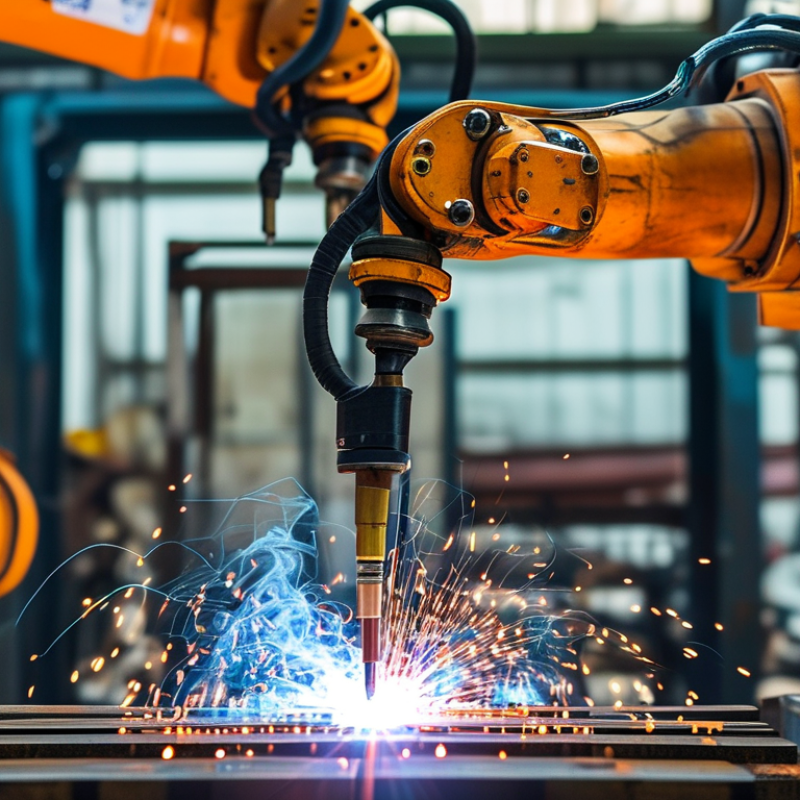
Understanding Heat Affected Zones in Robotic Welding
In robotic welding, understanding heat affected zones (HAZ) is crucial. HAZ refers to areas next to the weld where the material properties change due to heat. This can lead to reduced strength and defect risks. For optimal results, minimizing the HAZ is essential.
One effective tip is to control the heat input. Reducing the welding speed or adjusting the power can limit excessive heating. Another method is to use appropriate filler materials that can withstand high temperatures. These materials can help mitigate the impact of heat on the base metals.
Finally, consider implementing pre- and post-weld heat treatment. This can effectively relieve stresses within the metal. Attention to detail during the welding process also matters. Sometimes, overlooked factors cause unexpected issues later. Ensuring the weld environment is optimal can lead to better overall results. Addressing the HAZ properly enhances the structural integrity of the welds, ensuring longevity and reliability in the final product.
Factors Contributing to Heat Affected Zone Size
In robotic welding, the heat affected zone (HAZ) plays a critical role in the integrity of welded joints. Several factors contribute to the size of this zone. The welding method employed can significantly influence how heat spreads through the material. For instance, processes with higher energy inputs typically create larger HAZs. The type of material being welded also matters. Different metals absorb and dissipate heat differently, affecting HAZ size.
Another crucial factor is the speed of the welding operation. Slower speeds allow more heat to concentrate in one area, resulting in a wider HAZ. Conversely, faster speeds can minimize heat exposure. Joint design can affect heat flow as well, with thicker joints often leading to increased HAZ due to prolonged exposure to heat. Inadequate cooling rates contribute to changes in microstructure, which can further affect strength and durability.
It becomes vital to reflect on methods to optimize these factors. Adjusting parameters like welding speed and heat input might require iterative testing. Balancing efficiency with quality is an ongoing challenge for robotic welding. Effectively managing the HAZ is essential for achieving reliable welds, but it's not always straightforward.
10 Tips to Minimize Heat Affected Zones in Robotic Welding
| Tip |
Description |
Impact on Heat Affected Zone |
| 1. Optimize Welding Parameters |
Adjust voltage, current, and travel speed to control heat input. |
Reduces Heat Affected Zone (HAZ) size significantly. |
| 2. Use Pulsed Welding |
Utilize pulsed current to control heat and minimize HAZ. |
Helps maintain lower temperatures and reduces overheating. |
| 3. Preheat Materials |
Preheat the workpieces to reduce thermal gradients. |
Minimizes stresses and limits HAZ expansion. |
| 4. Use Appropriate Filler Material |
Select filler that matches the base material to reduce dilution. |
Improves mechanical properties in HAZ. |
| 5. Control Cooling Rate |
Manage the cooling of welds to prevent cracking. |
Limits microstructural changes in HAZ. |
| 6. Implement Ceramic Backing Bars |
Use ceramic bars to reflect heat back to the weld area. |
Increases thermal efficiency and reduces HAZ. |
| 7. Minimize Heat Loss |
Insulate the workspace to retain heat during welding. |
Ensures consistent temperatures and smaller HAZ. |
| 8. Utilize Multi-Pass Welding |
Divide welding into multiple passes to control heat better. |
Reduces the overall thermal input and HAZ size. |
| 9. Monitor Welding Speed |
Adjust welding speed according to thickness and material type. |
Too fast or slow can increase HAZ; find a balance. |
| 10. Regular Maintenance of Equipment |
Ensure welding machines are calibrated and in good condition. |
Prevents inconsistent heat input leading to larger HAZ. |
Techniques to Control Welding Speed and Heat Input
Controlling welding speed and heat input is crucial in robotic welding. A higher welding speed often leads to a narrower heat-affected zone (HAZ). However, it can also affect penetration. Striking a balance is essential. Adjustments in speed should be made based on material type and thickness. For instance, stainless steel may require different settings than aluminum.
Heat input must also be monitored closely. Excessive heat can lead to distortion, causing warping or affecting mechanical properties. Using a lower amperage while maintaining travel speed can help. Additionally, incorporating pulsed welding can distribute heat more evenly. Experimentation with these parameters is necessary. Not all settings will yield ideal results on the first try.
Take time to analyze the outcomes to refine the approach. Each project may require unique adjustments, highlighting the importance of continuous learning and adaptation.
Selecting the Right Filler Material for Minimizing HAZ
Choosing the right filler material is crucial in robotic welding. It directly impacts the heat-affected zone (HAZ). A well-selected filler can minimize distortion and improve weld quality. For example, low hydrogen filler materials often yield better results. They reduce the risk of cracking and ensure a cleaner weld.
When selecting filler materials, consider factors such as base metal composition and application requirements. Too often, welders overlook these critical aspects. The wrong filler can lead to larger HAZ, impacting the performance of the finished product. Understanding the metallurgical properties of fillers helps avoid common pitfalls.
Experimenting with different materials can provide valuable insights. Documenting results and analyzing variations can inform future decisions. It is essential to maintain consistency in filler selection. This practice ultimately leads to more reliable welding outcomes. A thoughtful approach can make a significant difference.
Post-Welding Treatments for Reducing HAZ Impact
Heat Affected Zones (HAZ) are problematic in robotic welding. Reducing HAZ impact is crucial for structural integrity. Post-welding treatments can effectively minimize these zones. Techniques like stress relief and heat treatment can restore mechanical properties. A study shows that proper heat treatment can enhance strength by 20%.
Applying controlled cooling methods can also significantly mitigate HAZ effects. Slow cooling can reduce residual stresses. Another report indicated that post-welding stress relief improved fatigue resistance by 30%. However, inconsistent treatment procedures complicate results. Each metal reacts differently to these treatments.
Evaluating various post-welding strategies is essential. Some methods may not yield expected results. For instance, a rapid cooling process might lead to cracks. Understanding the specific needs of each project helps in selecting the right treatment. Continuous assessment of HAZ should guide your approach. The right combination of techniques can enhance the final product's integrity.
Conclusion
Robotic welding presents unique challenges, particularly in managing heat-affected zones (HAZ) that can compromise the integrity of welded structures. Understanding HAZ is crucial, as it results from the thermal energy applied during the welding process. Several factors contribute to the size of these zones, including welding speed, heat input, and the choice of filler material.
To effectively address the question of how to reduce heat-affected zones in robotic welding, various techniques can be employed. Adjusting welding speed and heat input plays a pivotal role, while selecting appropriate filler materials can further minimize HAZ. Additionally, implementing post-welding treatments can significantly reduce the impact of HAZ, enhancing the overall quality and durability of welds. By focusing on these strategies, robotic welding can achieve better performance and longevity in applications.

 Mobo Robot