In the world of automated welding, efficiency is paramount. Yet, many manufacturers face a common issue: splatter. When determining "Why is my robotic welder leaving splatter?", it's essential to analyze various factors that contribute to this problem. Industry reports indicate that up to 30% of welding defects can be attributed to splatter. This affects not only the visual quality of the weld but also increases the time and cost of post-weld cleanup.
Robotic welders are designed for precision. However, settings not properly adjusted can result in unwanted splatter. According to a survey by the American Welding Society, nearly 45% of companies reported experiencing splatter issues due to improper machine calibration. Regular maintenance plays a crucial role in ensuring the longevity of robotic systems, yet many operators overlook this essential task.
Understanding the root causes of splatter can lead to improvements in the welding process. By examining variables such as equipment settings, material types, and environmental conditions, manufacturers can reduce waste. In this exploration, we will delve deeper into the top reasons behind robotic welder splatter.
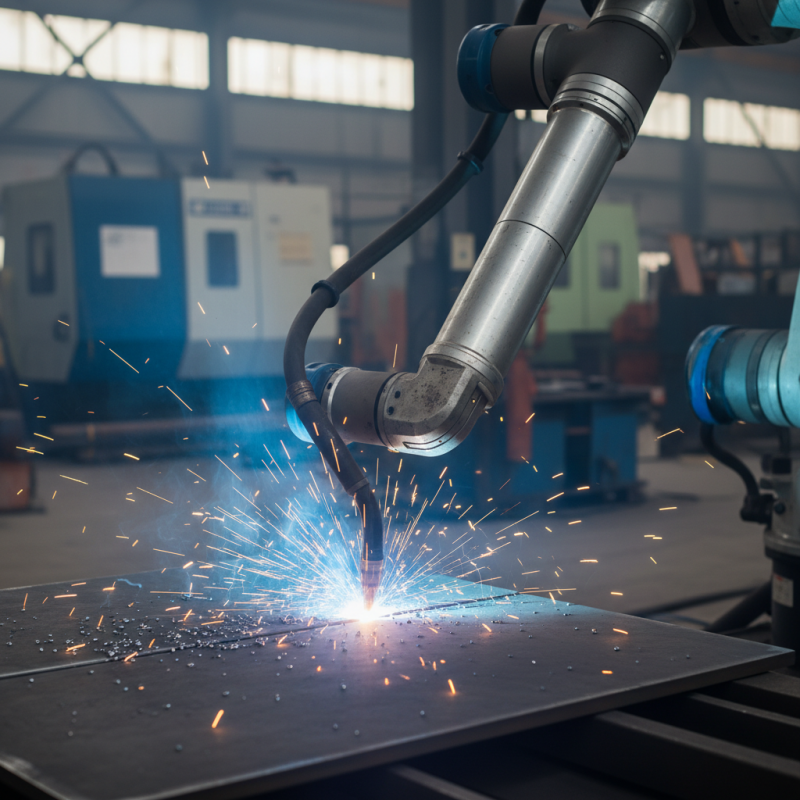
Common Causes of Splatter in Robotic Welding Processes
Splatter in robotic welding can be a frustrating issue. Understanding the common causes can help improve your processes. One major reason for splatter is improper welding parameters. If the voltage, current, or travel speed is not set correctly, it can lead to excessive heat. This heat can cause the molten metal to splatter away from the weld seam.
Another common factor is the shielding gas type and flow rate. Using inappropriate gas can affect weld quality. A gas flow that is too high may lead to turbulence, causing the molten pool to become unstable. Similarly, material cleanliness is crucial. Oil, rust, or dust on the workpieces can create contaminants that promote splatter during welding.
Consider also the welding gun angle and distance. An incorrect angle can lead to an uneven weld bead, increasing the chances of splatter. A too-large gap between the gun and the workpiece often causes excessive spatter. Regular inspections can help identify these issues. It is vital to evaluate your welding setup frequently. Reflecting on these aspects can lead to a more effective robotic welding process.
Impact of Incorrect Voltage Settings on Weld Quality
Incorrect voltage settings can drastically affect the quality of robotic welding. Optimal voltage is crucial for achieving clean welds and minimizing splatter. Studies show that using voltage outside the recommended range can lead to excessive heat and poor penetration, resulting in faulty welds. A report from the Welding Institute indicates that nearly 30% of welding defects are directly linked to improper voltage settings.
Adjusting voltage can correct many issues. If your welder leaves splatter, examine the voltage. Too high can cause burns, while too low may not fuse materials properly. These mistakes increase rework and waste time. Keep in mind that achieving the right balance is essential for maintaining efficiency.
Tip: Always check your welder's settings before starting. Regular calibration can prevent voltage discrepancies. Another useful tip is to monitor the welder's performance over time. Track any patterns of splatter concerning voltage changes. This data can guide adjustments and improve overall weld quality. Continuous improvement is key in robotic welding, and vigilance over voltage settings is a critical component.
Role of Insufficient Shielding Gas in Increasing Splatter
Insufficient shielding gas is a primary factor contributing to splatter in robotic welding. When the shielding gas flow is inadequate, it fails to effectively protect the weld pool. This leads to contamination and an increase in splatter. Proper gas coverage is crucial for achieving clean welds.
Tips: Always check gas flow settings. Ensure your shielding gas is suitable for the material you are welding. Monitor for leaks in your gas lines.
An improper gas mix can also exacerbate the problem. For instance, using too much or too little of certain gases can disrupt the arc stability. Adjusting the gas composition is essential for quality outcomes.
Tips: Consult expert guidelines for gas mixtures. Regularly calibrate your equipment to maintain performance. Be aware of the environment—drafts can affect gas distribution.
Upon facing splatter issues, consider revisiting your shielding gas setup. Minor adjustments to gas volume or type can yield significant improvements. Addressing these factors can enhance welding quality and reduce rework.
Effects of Electrode Wear and Contamination on Weld Performance
The performance of a robotic welder heavily relies on the condition of its electrode. Over time, electrodes can wear down, leading to inconsistent arc stability. This can cause excessive heat, resulting in splatter on your workpieces. When splatter accumulates, it affects the quality of the weld. Operators may notice more post-weld cleaning is needed, increasing production time.
Contamination is another factor that should not be overlooked. Various substances like oils or dirt can accumulate on the electrode. This contamination disrupts the electrical flow, which may lead to poor weld penetration. It is essential to maintain a clean working environment to minimize such issues. Regular checks and cleaning of the electrode can significantly improve performance.
Reflecting on these factors is crucial for any welding operation. Consistently monitoring electrode wear and contamination is vital, yet often neglected. A slight oversight can lead to increased costs and reduced quality in the long run. Emphasizing preventive measures can enhance overall efficiency and product reliability in robotic welding.
Top 10 Reasons Why Your Robotic Welder Leaves Splatter
Optimization Techniques to Reduce Weld Splatter in Robotic Systems
Weld splatter can be a significant issue in robotic welding. It not only affects the appearance of the weld but also increases cleanup time and costs. To effectively reduce splatter, consider optimizing your welding parameters. Adjusting voltage, travel speed, and wire feed speed can lead to a smoother arc and less spatter. Each material reacts differently; therefore, it’s vital to test these settings for your specific application.
Another valuable technique involves the use of shielding gas. The type and flow rate of shielding gas play a crucial role. Too little gas can lead to oxidation, while too much can result in turbulence, causing splatter. Conducting experiments with various gas mixtures helps to find the optimal combination for your welding process. Additionally, regular maintenance of the welding torch and consumables ensures that equipment operates efficiently. Clean nozzles and a well-maintained contact tip can prevent defects that contribute to spatter.
Understanding the geometry and fit-up of the workpieces is also essential. Misalignment can lead to excessive splatter. Focus on perfecting the joint preparation. A clean, well-fitted joint reduces gaps and allows for a more controlled weld pool. These strategies may require time and experimentation, but attention to detail can yield significant improvements in weld quality.
Top 10 Reasons Why Your Robotic Welder Leaves Splatter? - Optimization Techniques to Reduce Weld Splatter in Robotic Systems
| Reason |
Description |
Optimization Techniques |
| Incorrect Voltage Settings |
Too high or too low voltage can lead to inadequate arc stability. |
Adjust voltage according to material thickness and type. |
| Improper Wire Feed Speed |
Excess wire feed can cause excessive spatter. |
Calibrate the wire feed speed to match the welding process. |
| Poor Joint Fit-Up |
Gaps or uneven surfaces can lead to splatter and defects. |
Ensure proper alignment and fit of components before welding. |
| Improper Shielding Gas |
Wrong type or flow rate of shielding gas can increase contamination. |
Select appropriate shielding gas for the material and application. |
| Inconsistent Torch Angle |
A fluctuating angle can disrupt the weld pool. |
Maintain a consistent torch angle through the weld. |
| Temperature Fluctuations |
Inconsistent base metal temperatures can affect the weld. |
Preheat the metal as necessary to maintain stable temperatures. |
| Excessive Distance from Workpiece |
Too much distance can cause spatter and poor penetration. |
Keep the correct distance between the torch and workpiece. |
| Worn Consumables |
Degraded contact tips or nozzles can affect arc performance. |
Regularly inspect and replace worn consumables. |
| Incorrect Welding Speed |
Speed that is too fast or too slow can lead to defects. |
Optimize the travel speed based on process requirements. |
| Poor Maintenance of Equipment |
Neglecting equipment can lead to performance issues. |
Implement a routine maintenance schedule to ensure reliability. |
Conclusion
In robotic welding processes, understanding "Why is my robotic welder leaving splatter" is crucial for achieving high-quality welds. Common causes of splatter can be traced to several factors, including incorrect voltage settings, which can negatively impact weld quality, and insufficient shielding gas, leading to increased splatter due to inadequate protection of the weld pool. Additionally, electrode wear and contamination can severely affect weld performance, resulting in poor results and excessive spatter.
To mitigate these issues, it's essential to implement optimization techniques that can help reduce weld splatter in robotic systems. By adjusting settings, ensuring proper maintenance of equipment, and using the right materials, welders can enhance the performance of their robotic systems, thereby improving the overall quality of the welds produced.

 Mobo Robot