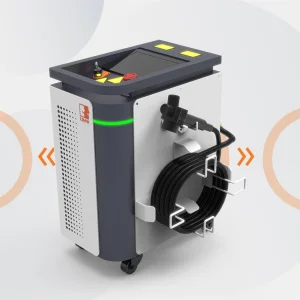
Automated material removal processes—specifically robotic sanding, grinding, and polishing—have transitioned from a high-barrier niche application into a baseline necessity for global manufacturing industries. Historically, manual finishing was plagued by severe challenges: high labor turnover due to hazardous workspaces containing abrasive particulates, inconsistency in surface quality, and escalating structural costs. By deploying multi-axis industrial robots combined with dynamic force control sensors, today's smart factories achieve absolute consistency across complex contoured geometries.
From automotive bodywork prep and aerospace blade profiling to consumer electronics deburring and sanitizing medical-grade components, these automated systems provide high repeatability. When combined with advanced tool changers and adaptive compliance heads, a single robot can switch seamlessly between coarse grinding, heavy-duty sanding, and fine mirror polishing, dramatically increasing the equipment utilization rate.
Active force-torque sensor integration dynamically adjusts contact force on irregular surfaces, avoiding over-sanding and reducing cycle times.
AI computer vision systems map workpieces in real-time, automatically correcting path offsets due to physical part variations.
Automated isolation zones completely remove operators from dust, flying metal shards, and repetitive strain injuries (RSI).
Analyzing the leading global brands specializing in automated material removal, advanced mechanical compliance, and full-process industrial finishing integration.
Fanuc is a global titan in industrial CNC systems and robotics. Their sanding and polishing systems utilize highly rigid arm designs integrated with Fanuc Force Sensors. This native hardware/software fusion ensures ultra-precise feedback loops, enabling sub-millimeter compliance when polishing high-value turbine blades or curved automotive profiles.
ABB's specialized "RobotStudio" software features dedicated finishing power pacs. Combining ABB’s IRC5/OmniCore controllers with active force control, ABB enables rapid path planning. Their solutions are highly favored in the sanitary ware, plumbing fixtures, and consumer electronics industries where surface gloss must be perfectly uniform.
Operating at the vanguard of Germany's Industry 4.0, KUKA’s lightweight LBR iiwa collaborative robots offer integrated torque sensors in all seven axes. For sanding and polishing, this allows human-robot collaboration with absolute precision, making them ideal for high-mix low-volume aerospace components and intricate automotive sanding operations.
Yaskawa's GP-series robots are engineered for high-speed material handling and finishing processes. Their Motoman controllers offer robust support for multi-unit coordination, allowing dual-arm robots to concurrently hold a part and sand it using stationary belt grinders or carry out tool-on-arm operations with rapid speed.
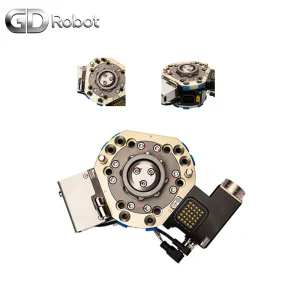
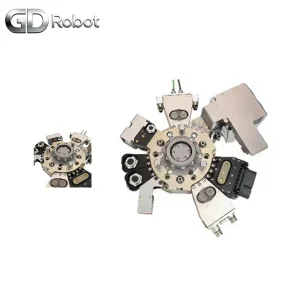
Established in 2014, Dalian Mobo Robot Co., Ltd. has grown into a highly innovative manufacturer specializing in automated welding, laser cleaning, and modular robotic components. By implementing vertically integrated manufacturing at their Mobo Technology base, they offer complete custom solutions. Their heavy-duty quick-change plate systems and tool changers form the core foundation of advanced robotic sanding cells, enabling seamless switches between different grits and grinding tools under high payload and vibration profiles.
As the pioneer of collaborative robotics, Universal Robots (UR) has revolutionized the sanding sector. Built-in adjustable force mode allows UR cobots to sand wood, plastic, or metal without complex external force sensors. Their system is highly popular for small-to-medium enterprises (SMEs) looking to deploy quick-setup polishing lines.
SCHUNK is the premier developer of robotic end-of-arm-tooling (EOAT). Although they supply the tools rather than the robot arms, their AOV (Abrasive Tool with Orbital Action) and MFT (Material Finishing Tool) units are industry standards. SCHUNK compensation units allow radial or axial compliance to ensure a steady finishing touch.
Recognized as the oldest developer of metal finishing systems globally, Acme has integrated robotic arms for over 40 years. They design turn-key robotic grinding, deburring, and polishing workcells using specialized proprietary software that can calculate complex finishing path trajectories automatically.
Suhner specializes in high-performance abrasive tools. Their robotic division manufactures standard-setting active compliance sanding heads, eccentric sanders, and angle grinders. These tools are engineered specifically to handle continuous high-vibration conditions typical of robotic casting grinding operations.
PushCorp is a leading designer of active force control devices and high-speed electric spindles. Their active force devices maintain consistent pressure against a surface regardless of spatial orientation, which is crucial for heavy aerospace component deburring and high-gloss automotive clear-coat polishing.
In the global landscape of industrial automation, Chinese manufacturers have transitioned from low-cost machinery assemblers to vanguard innovators of Industry 4.0 technology. The strength of this ecosystem lies in deep vertical integration. In clusters like Dalian's industrial manufacturing hubs, raw material suppliers, precision CNC machining shops, laser cutting plants, and control software engineers operate in immediate geographic proximity.
This spatial cohesion reduces lead times, optimizes structural costs, and offers unparalleled agility. If a global buyer requires a customized heavy-duty quick-changer plate or a specific robotic welding layout, the modification can pass from R&D design to precision laser cutting, bending, and prototype assembly within days. For international procurement managers, this represents not just cost optimization, but systemic supply chain resilience in a volatile global economy.
Control over raw materials, processing, and assembly guarantees quality transparency and eliminates shipping delays.
Direct communication pathways between global sales and engineering departments mean tailored solutions are delivered rapidly.
Chinese automated components are designed to work seamlessly with EtherNet/IP, PROFINET, DeviceNet, and EtherCAT structures.
Founded in 2014, Dalian Mobo Robot Co., Ltd. is committed to innovation and excellence in the field of industrial automation. Guided by our core values of "Integrity in Business, Commitment to Quality," we strive to build long-term partnerships based on trust and mutual success. Our mission is to lead in the welding and cutting automation sector by providing superior products and services that meet the evolving needs of industries worldwide.
Since our establishment, Dalian Mobo Robot Co., Ltd. has been at the forefront of the robotics and automation industry, specializing in the supply, installation, and after-sales support of advanced welding and cutting equipment, robotic systems, accessories, consumables, and specialty welding materials. With over a decade of experience, we have earned the trust of more than 1,000 clients across various industries, including manufacturing, automotive, shipbuilding, and construction.
In 2023, we expanded our capabilities by establishing a fully integrated manufacturing base—Mobo Technology (Dalian) Co., Ltd.—allowing us to offer an end-to-end service that includes raw material sourcing, R&D design, precision manufacturing, and global sales. Our advanced production line produces cutting-edge automated systems, including robotic arc welders, AI-driven welding robots, laser-based cleaning robots, and energy-efficient welding solutions.
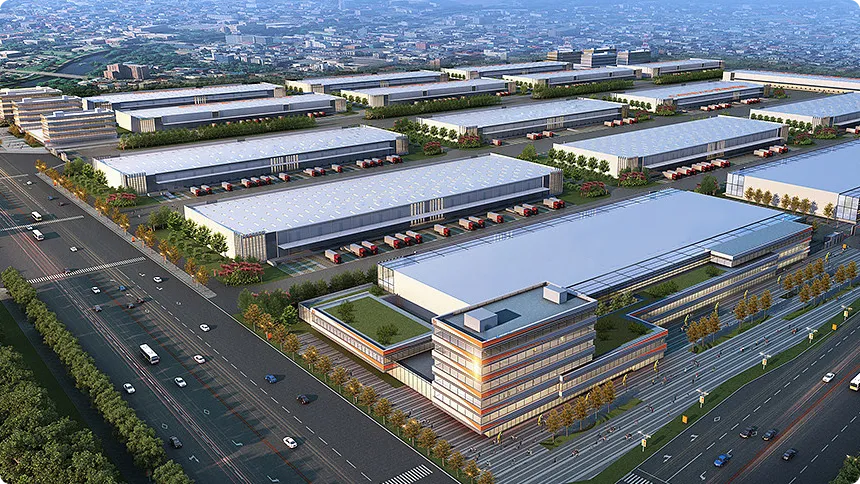
By controlling the entire production process, we ensure the highest standards of quality, precision, and timely delivery.
Our focus on precision engineering and the use of cutting-edge technologies guarantees the reliability and consistency of our products.
We provide end-to-end automation solutions, including robotic systems, CNC machinery, welding systems, and more, customized to meet the unique needs of our clients.
With a presence in key markets around the world, we provide fast and responsive service through localized support centers, ensuring reliable assistance.
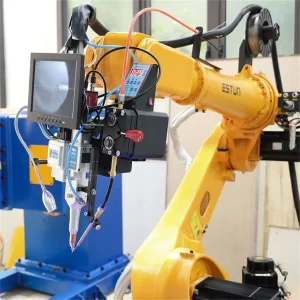
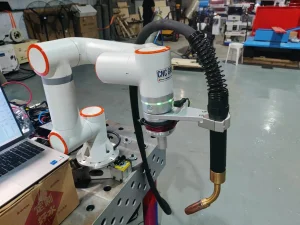
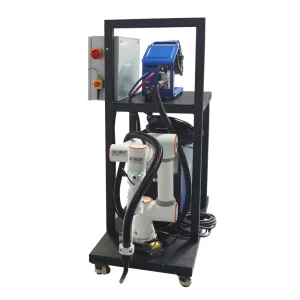
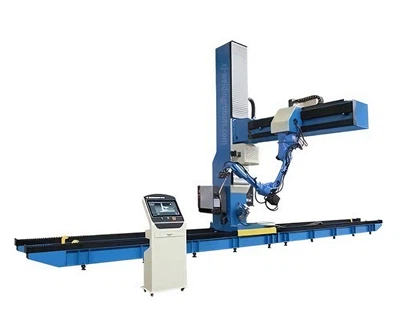
This high-precision integration shows Mobo Robot's capability in manufacturing multi-axis tracking robotic systems. Optimized for welding, these core axis principles translate directly into robust trajectory planning and high-load stability required for long-run sanding and polishing solutions.
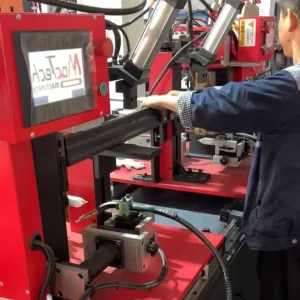
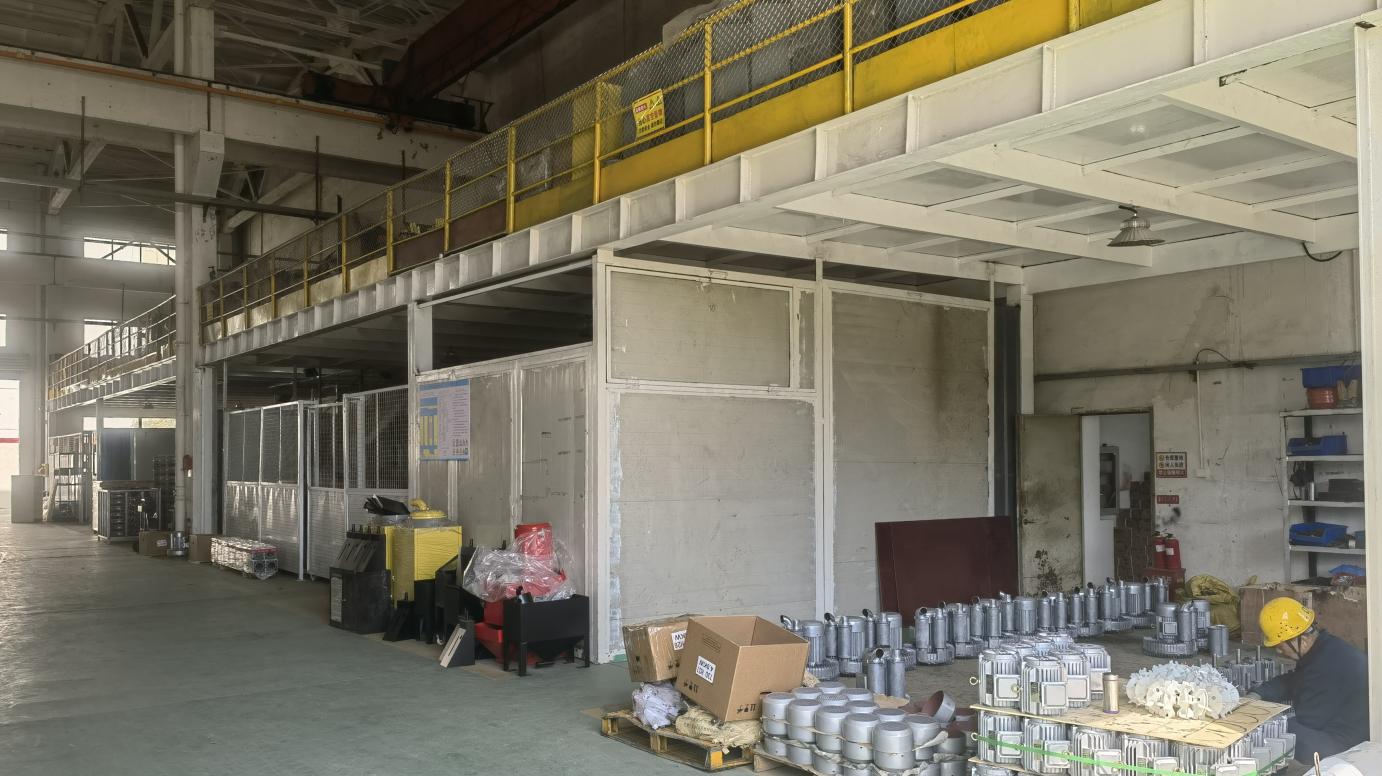
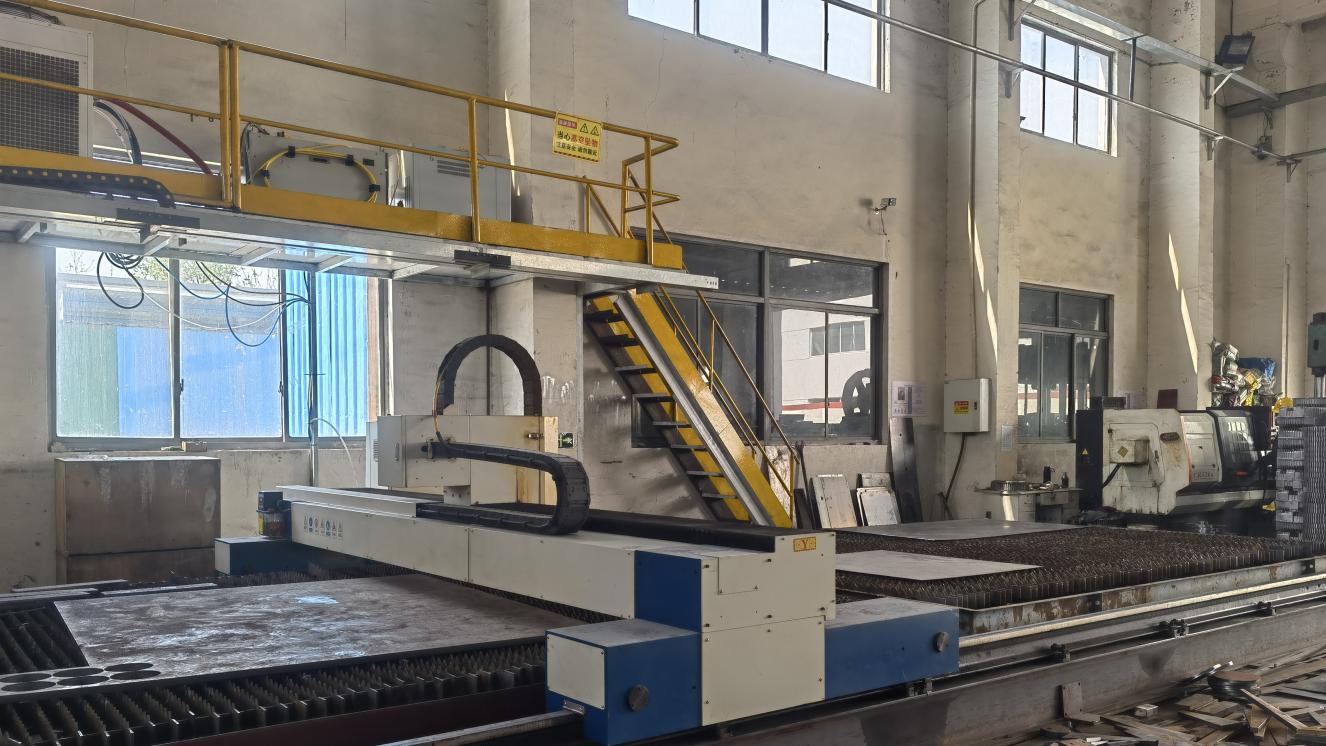
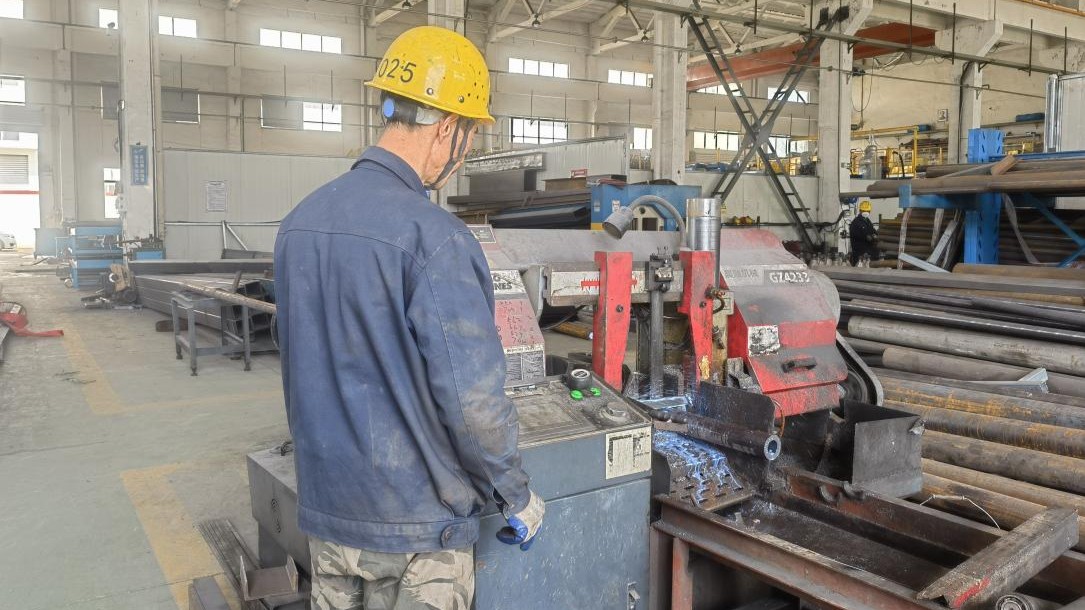
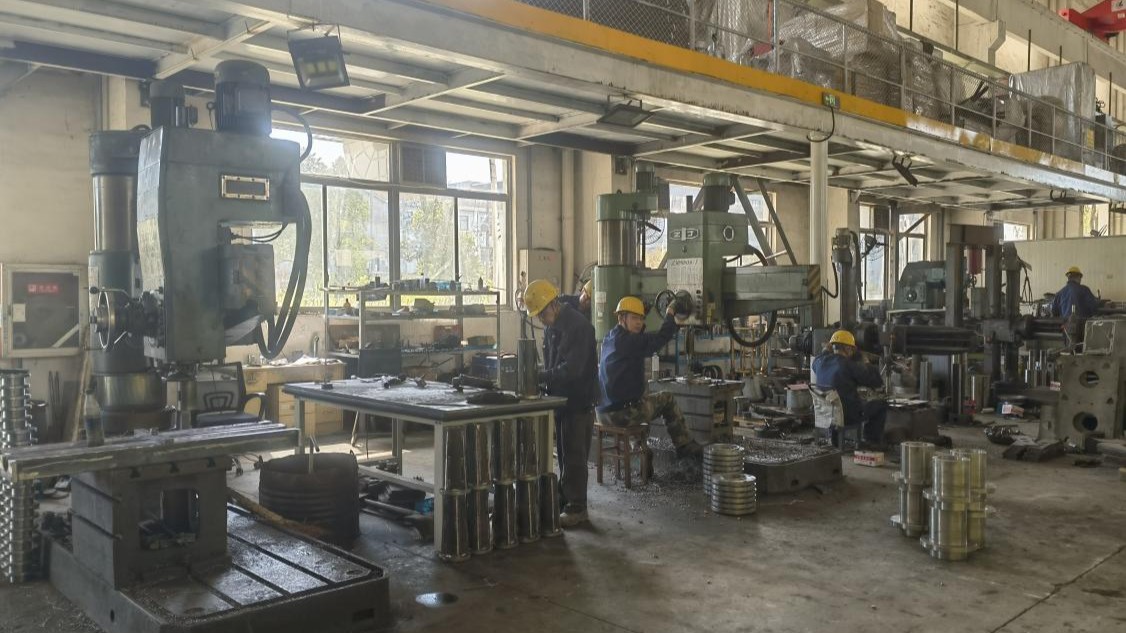
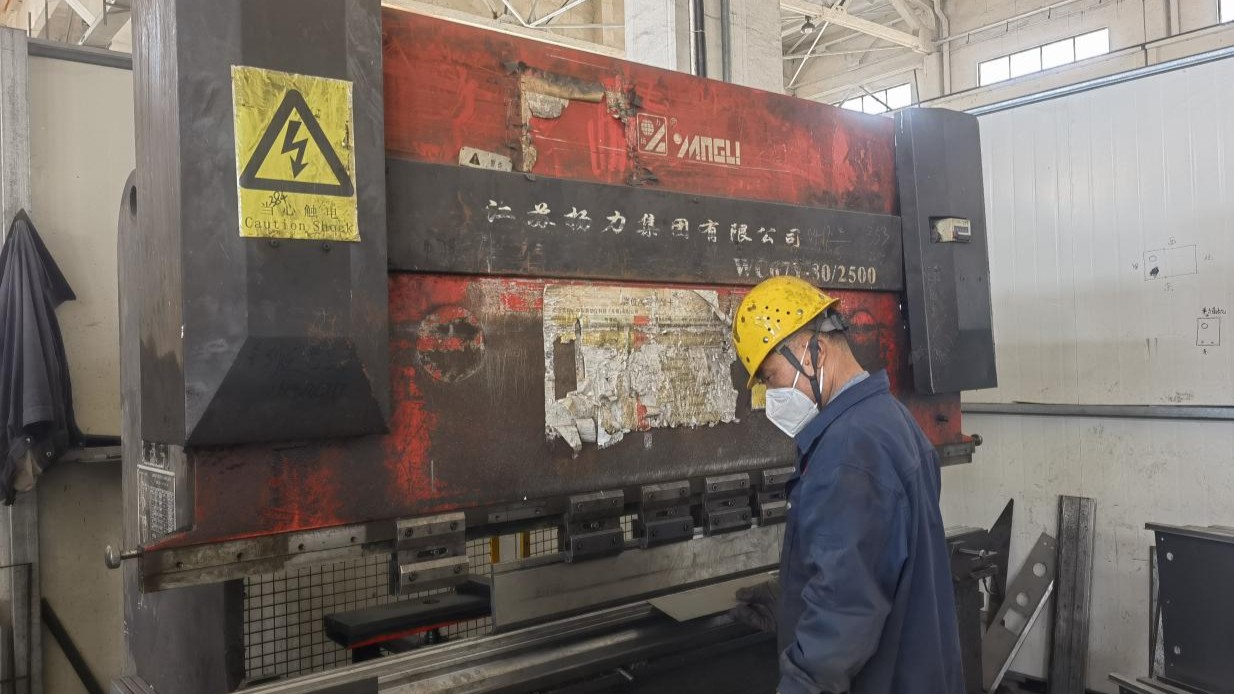
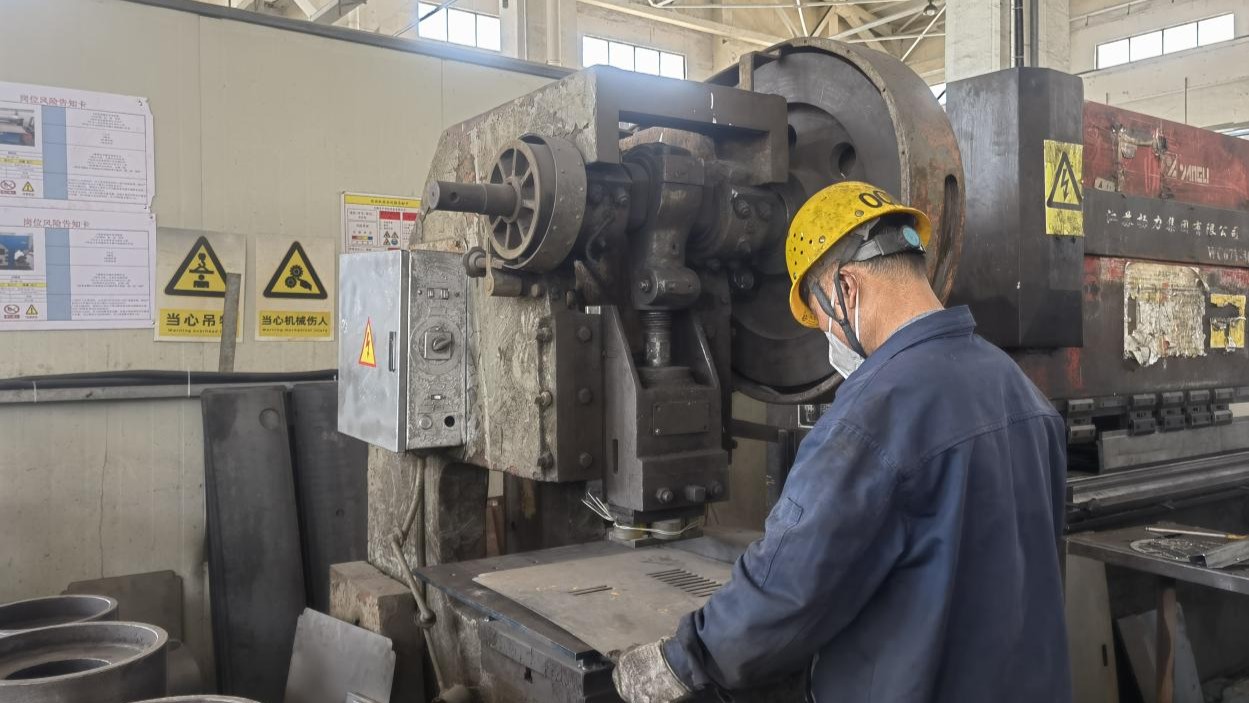
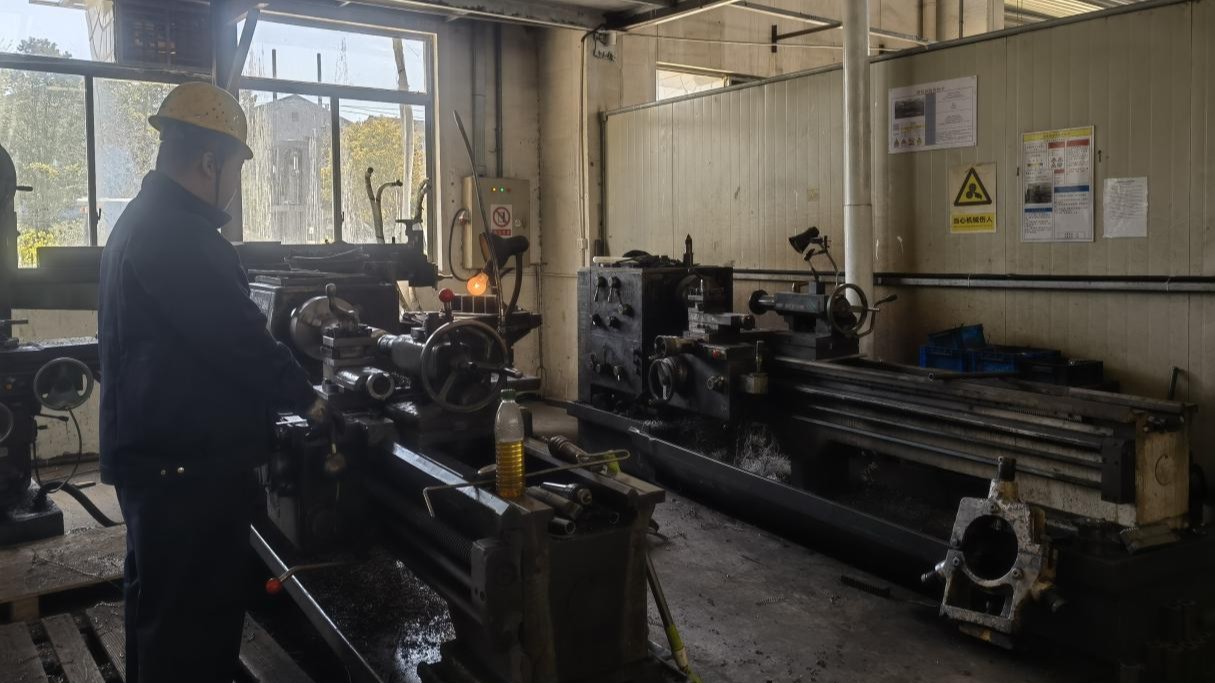
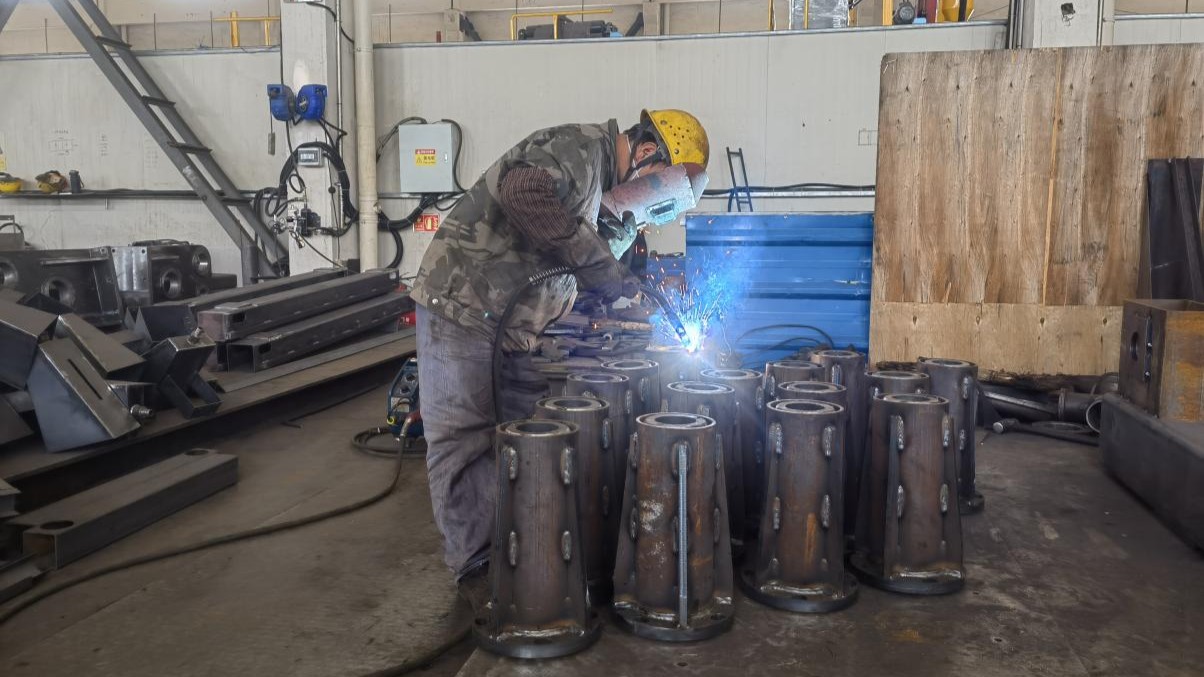
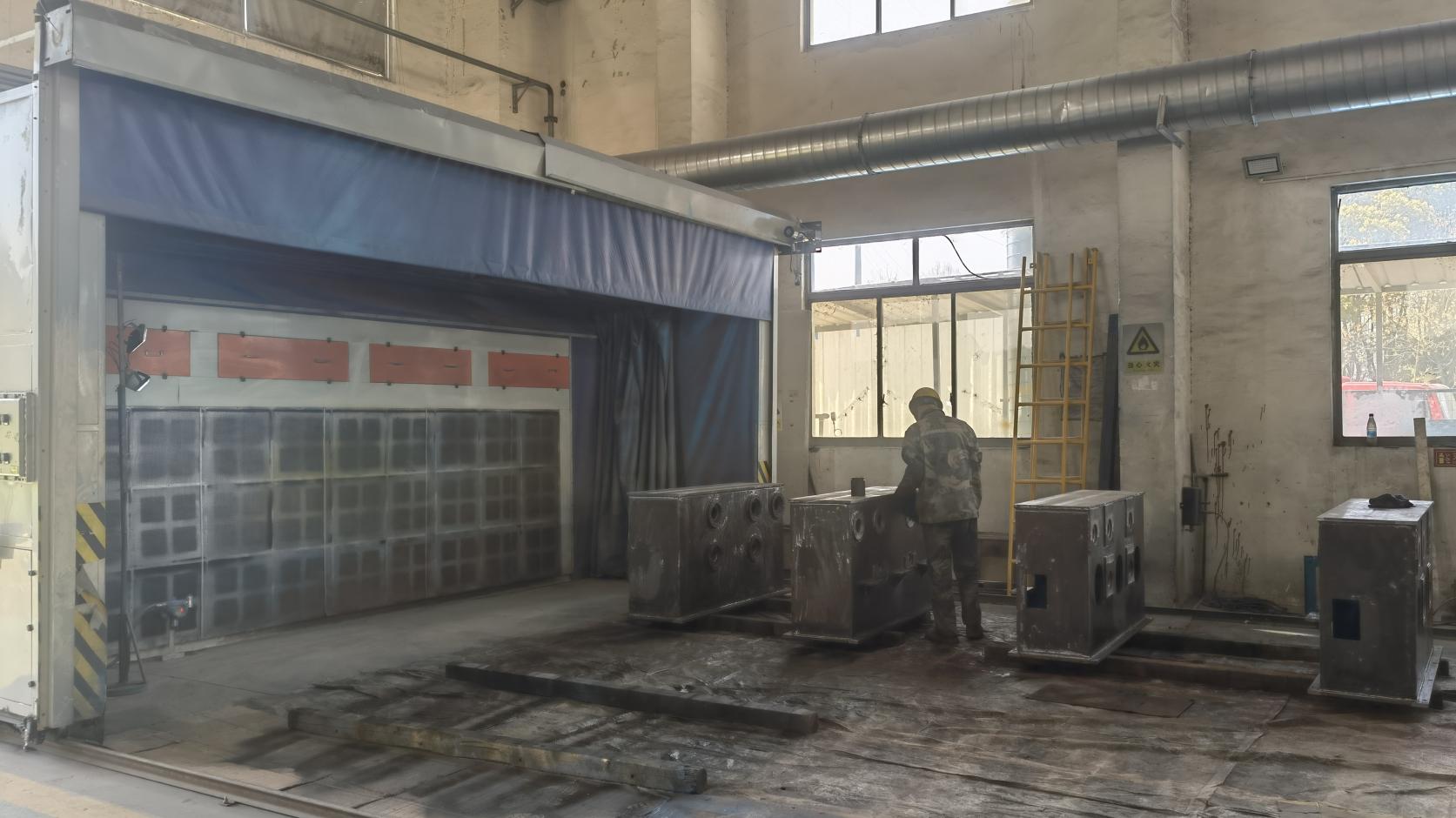
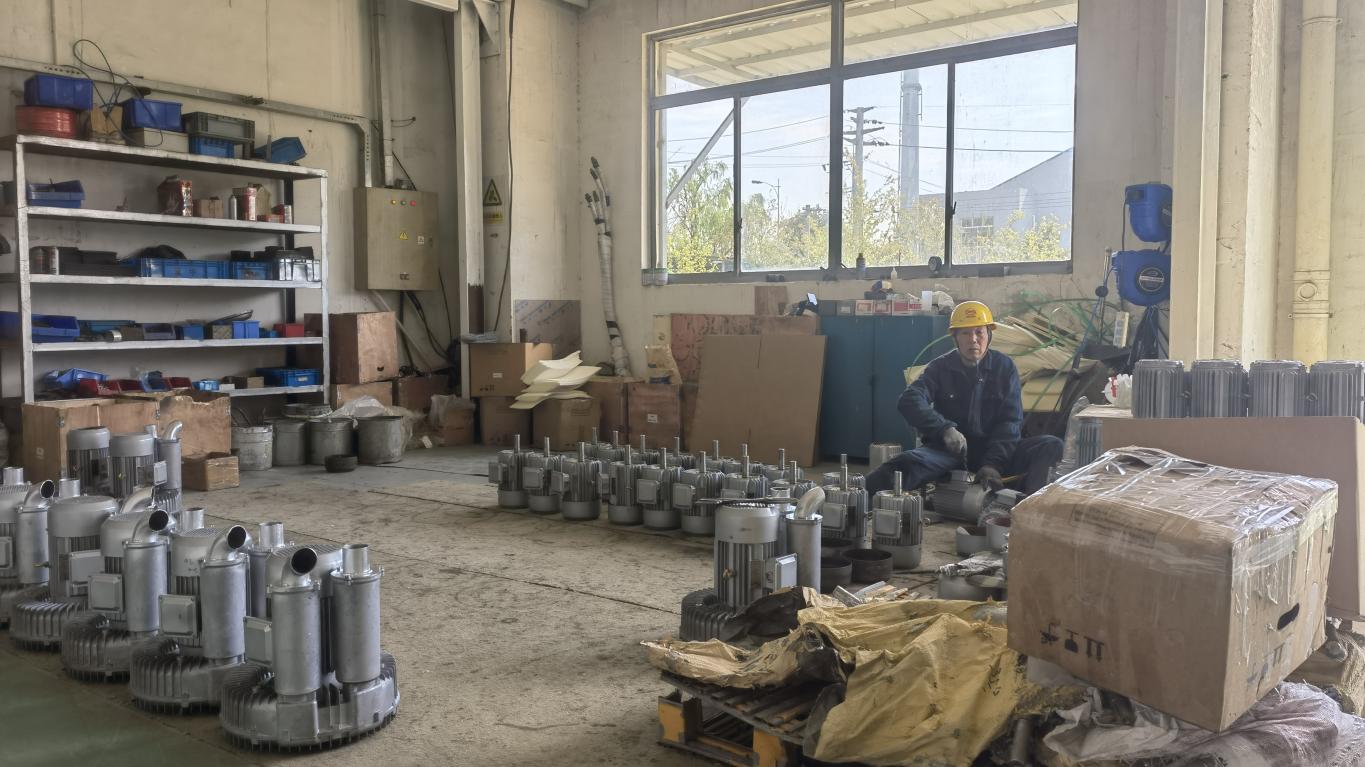
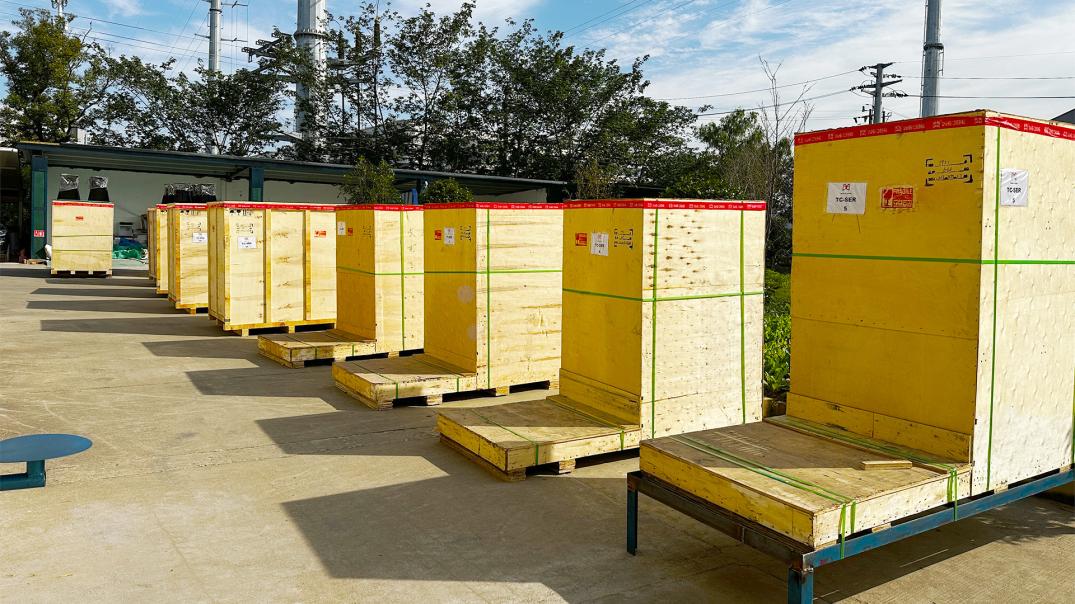
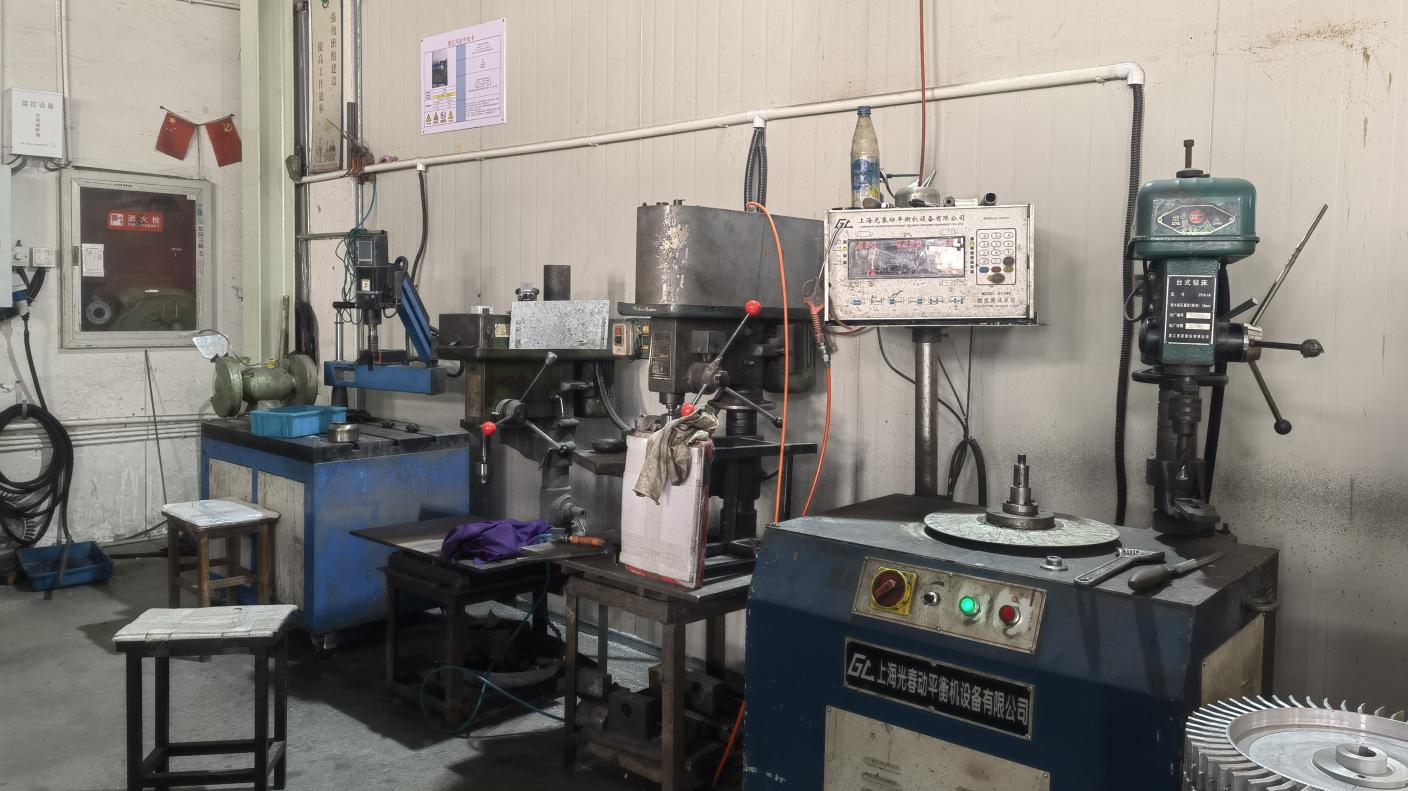
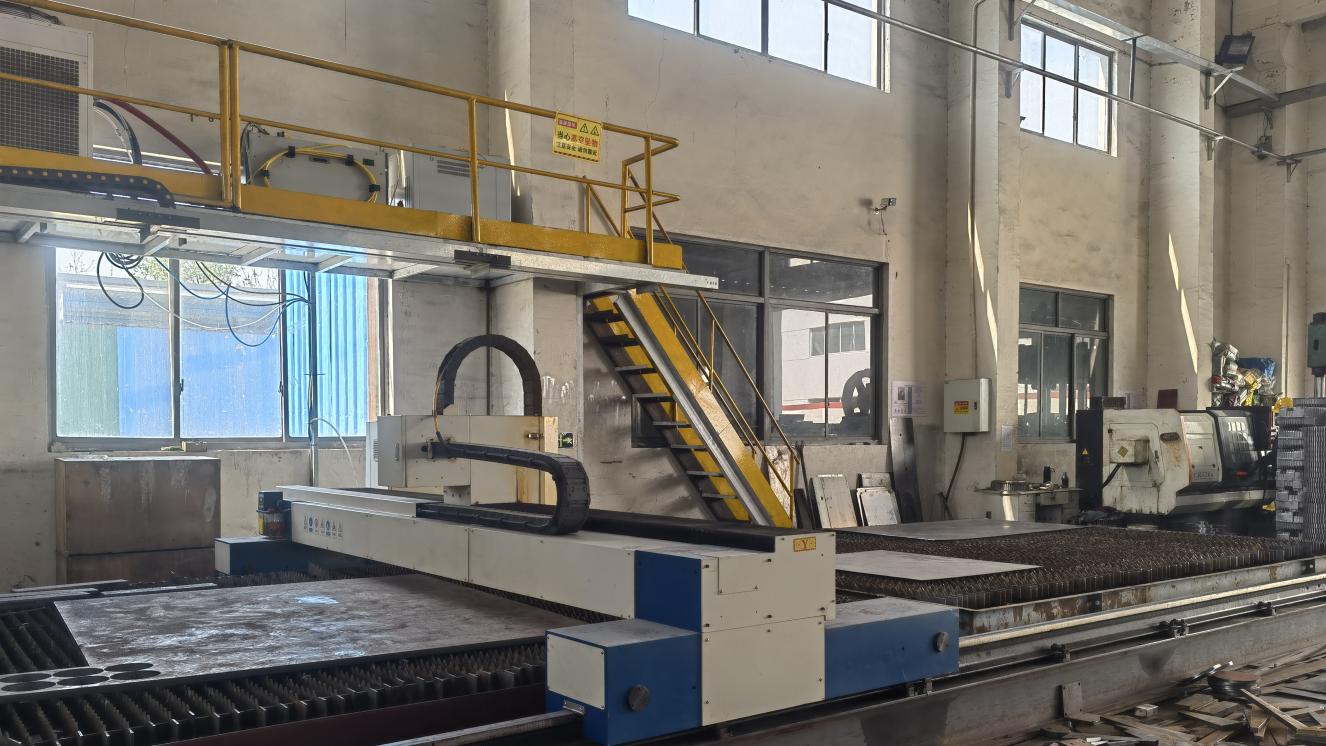
From raw materials to precise packing, our state-of-the-art Dalian factory utilizes advanced CNC, laser, bending, and inspection systems to build resilient automated solutions.
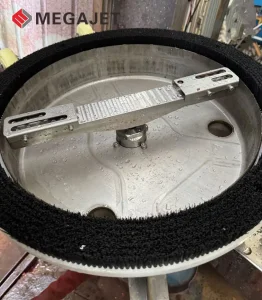
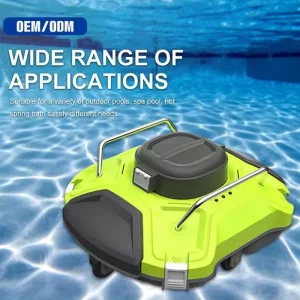
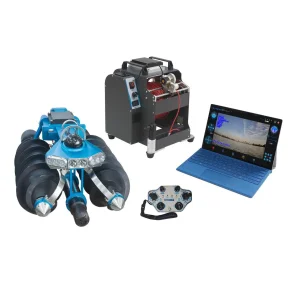
Robotic sanding systems adapt to highly specific environmental regulations and physical layouts. In marine environments, for instance, hulls accumulate marine growth which reduces efficiency. Advanced submersed systems are required to handle bottom ship cleaning in saline conditions.
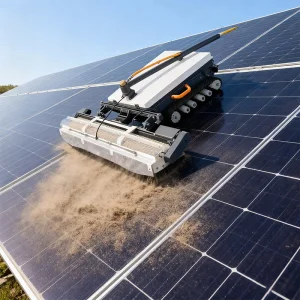
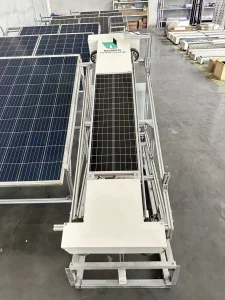
In terrestrial setups, such as the photovoltaic sector, automated solar panel cleaning crawlers traverse long arrays of solar glass to remove dust deposits without scratching the anti-reflective coatings. In automotive workshops, robotic cells prepare metal finishes, switching abrasive grits rapidly via heavy-duty tool changers.
Procurement officers evaluating industrial robotic components prioritize three criteria: Repeatability under thermal load, Interchangeability of tooling, and Torsional Stiffness. In heavy grinding applications, continuous vibrations can cause fast wear in standard plates.
Using OEM-supported quick-changer plates with high locking force ensures the robot handles tool transitions safely. Buyers also demand cross-brand integration compatibility, allowing a quick-changer to communicate faults to different brands of controller units.
 Mobo Robot