Drive:Electric
Principle:Inhaled
Control:CNC
Layout:Horizontal
Automation:Automatic
Kind:Dry Sandblaster
Condition:New
Certification:CE, CB, ETL, RoHS, UR
Power Supply:380V/3-Phase, 7-15 Kw
Dust Removal:≥99%
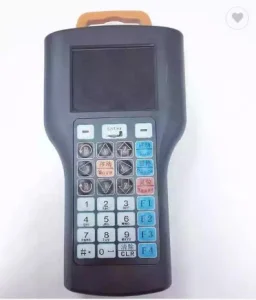
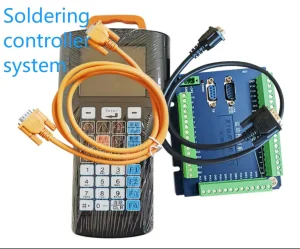
Control System:PLC + HMI Interface
Turntable:800-2000 mm (Adjustable)
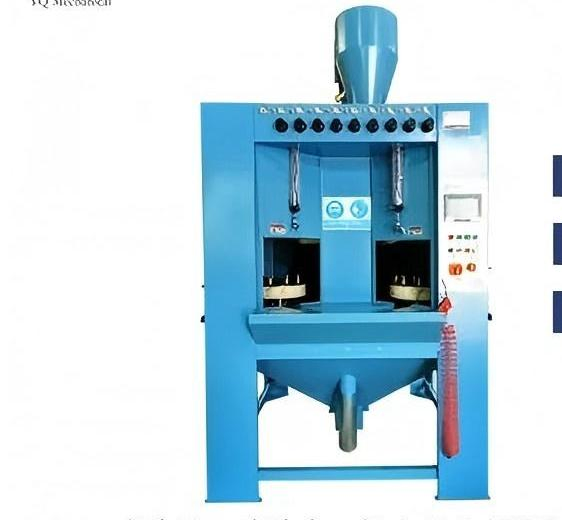
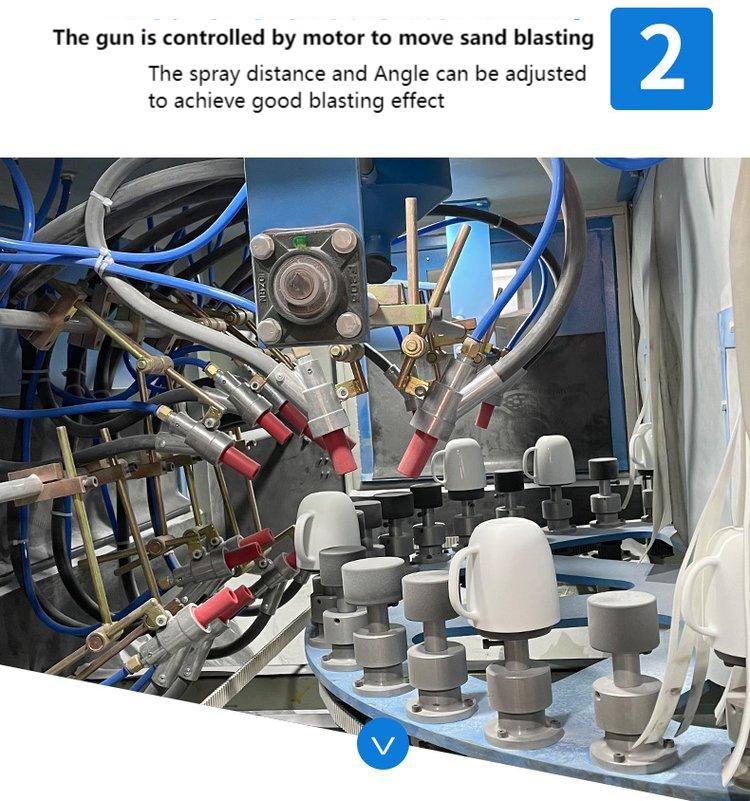
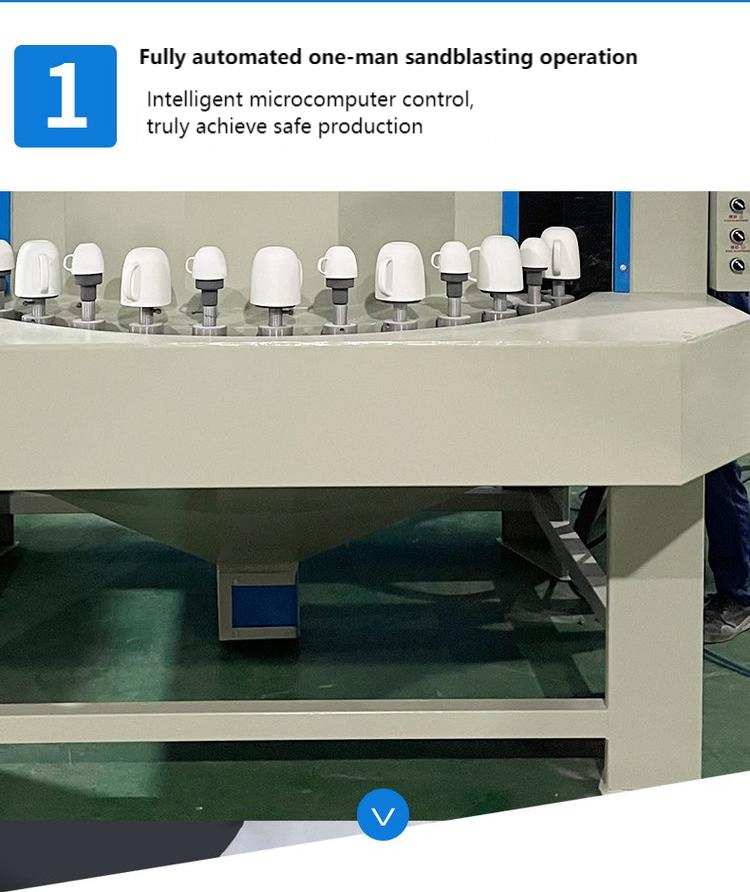
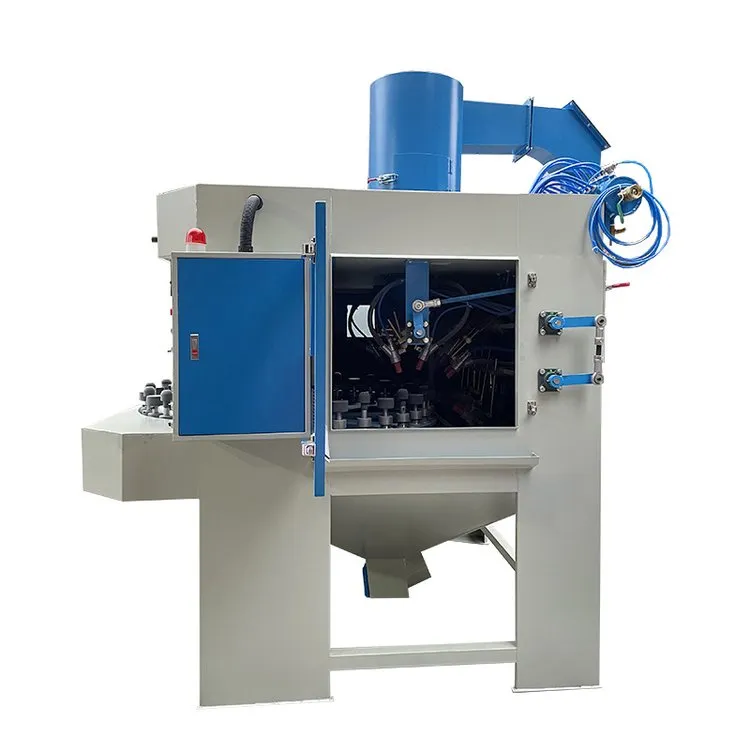
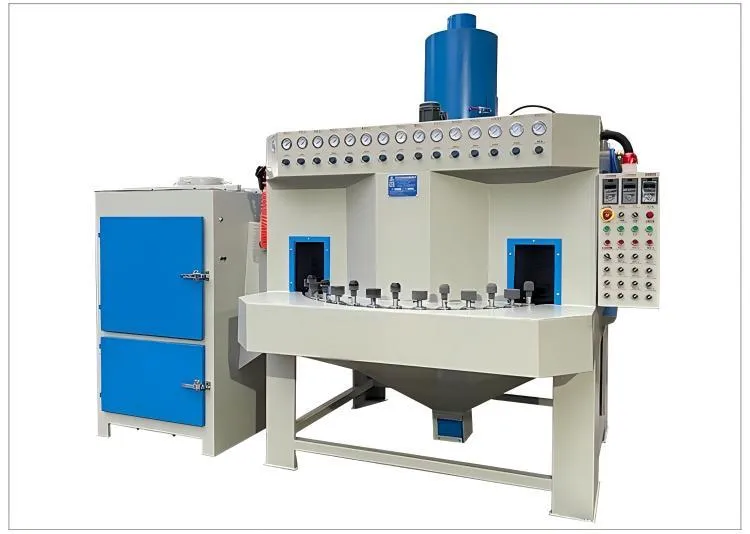
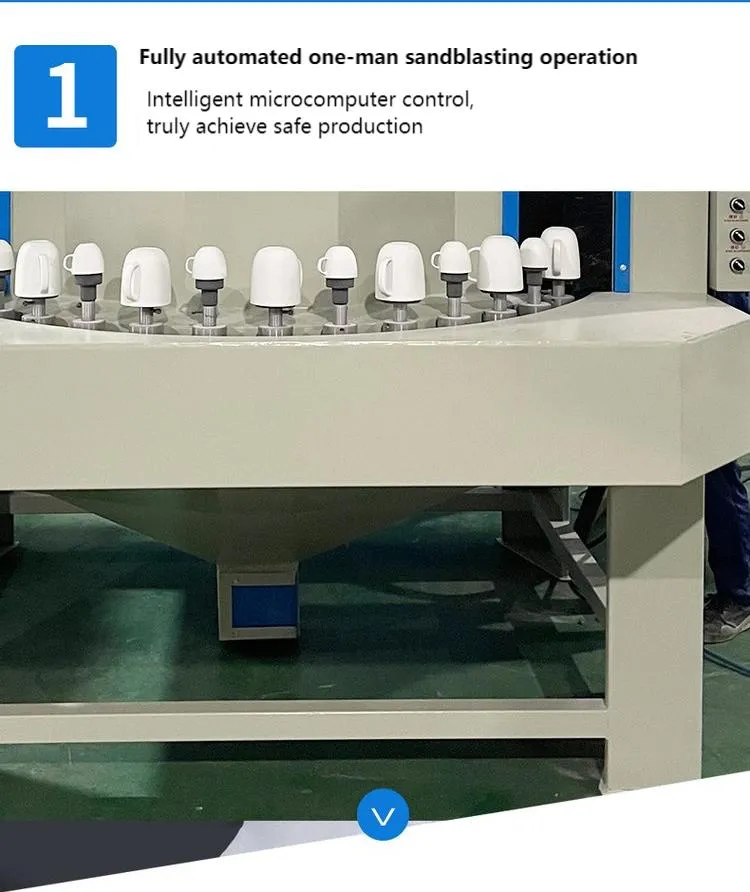
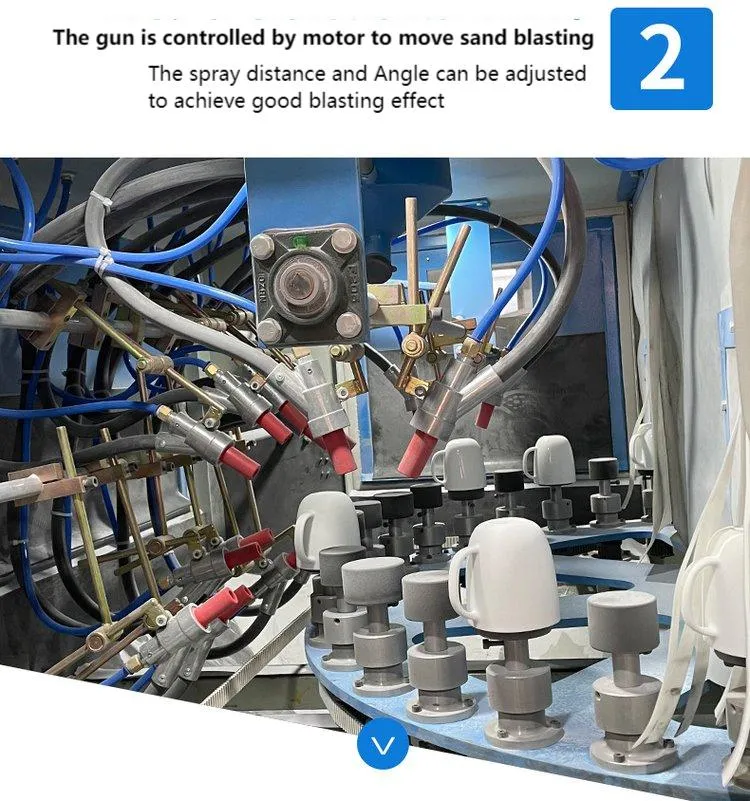
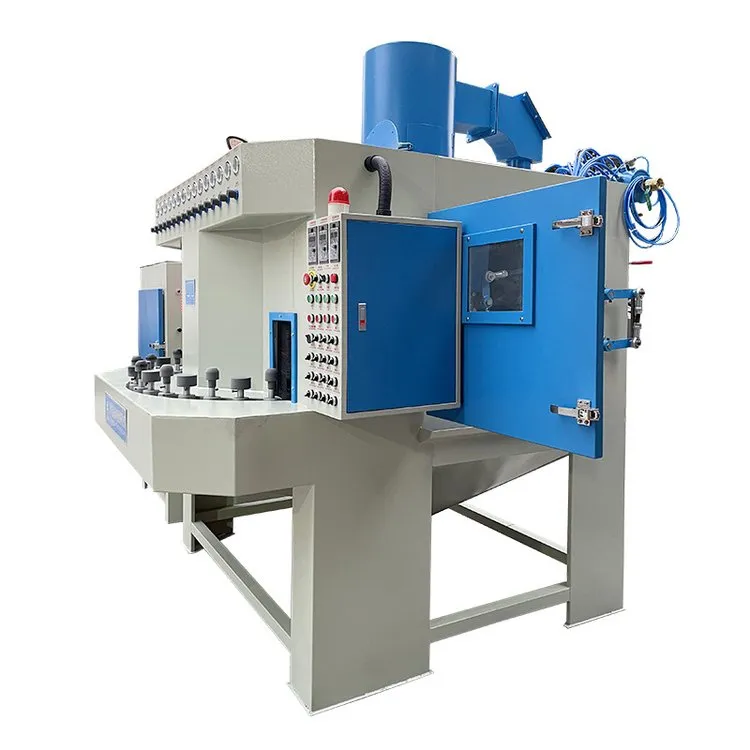
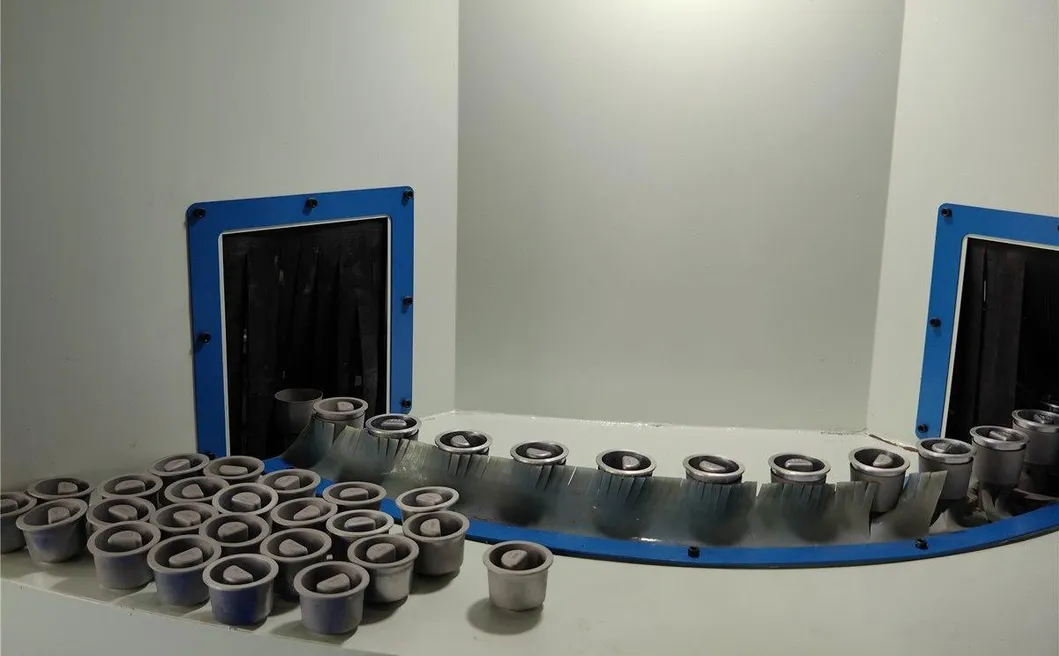
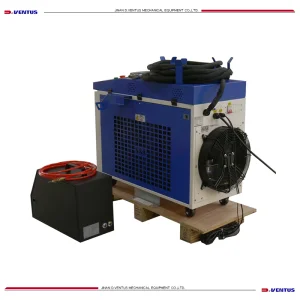
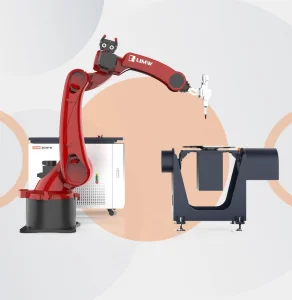
A Turntable Sandblasting Machine is an automated surface treatment equipment that integrates rotary workstations and multi-directional abrasive blasting systems. It features a motorized turntable to rotate workpieces while synchronized blast guns uniformly remove contaminants (rust, paint, oxides) or create textured surfaces. Designed for batch processing, its variants include indexing turntables, satellite stations, and conveyor-integrated models to handle parts like alloy wheels, metal sheets, and complex geometries. Advanced models incorporate dust collectors, PLC controls, and robotic arms for full automation.
360° Coverage: Rotating platform ensures no blind spots during the cleaning process.
High Throughput: Capable of processing 700-1500pcs/hour with continuous indexing.
Precision Control: Adjustable speed (0-5m/min), pressure (5-8kg/cm²), and gun angles.
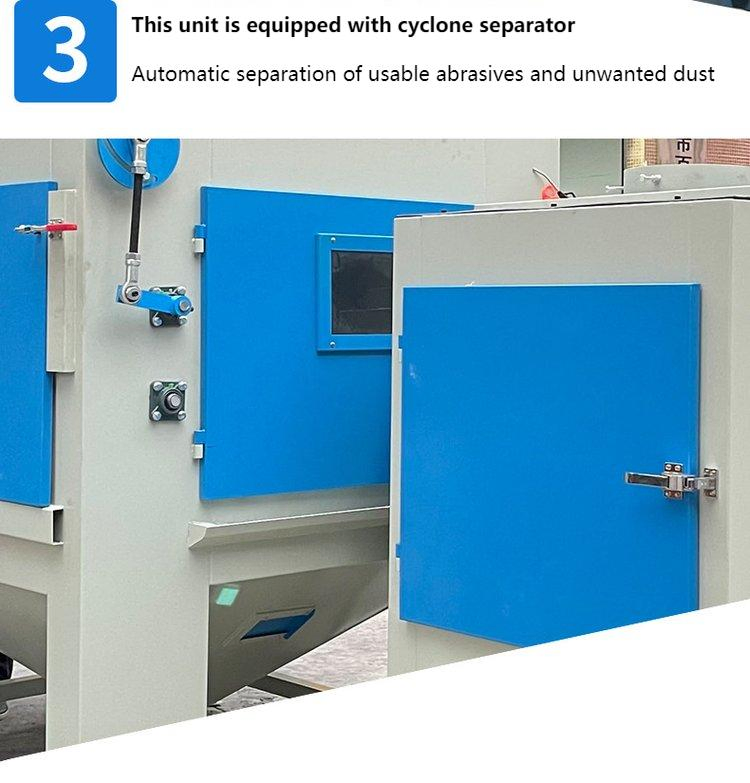
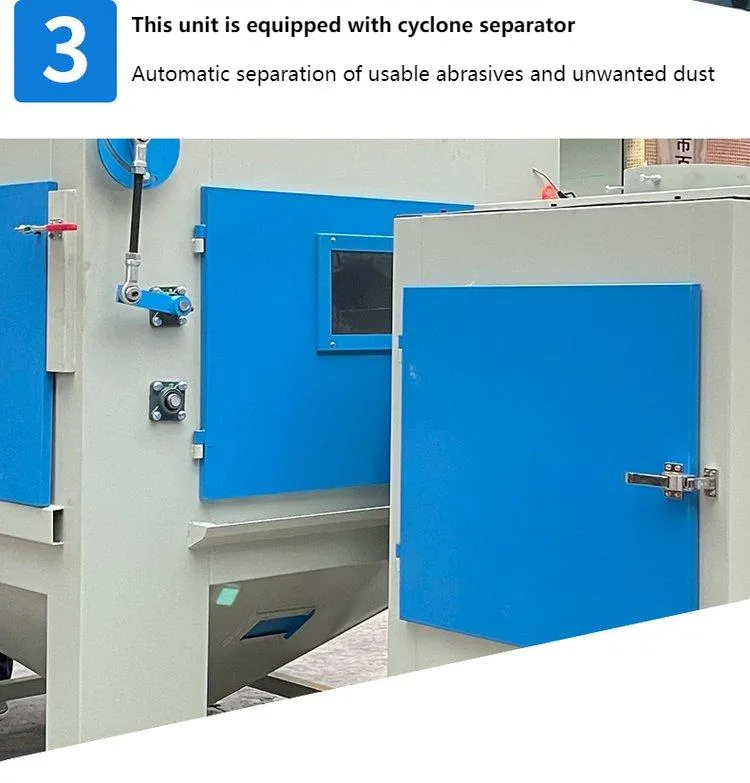
Dust-Free Operation: Cyclone separators + cartridge filters achieve >99% dust removal.
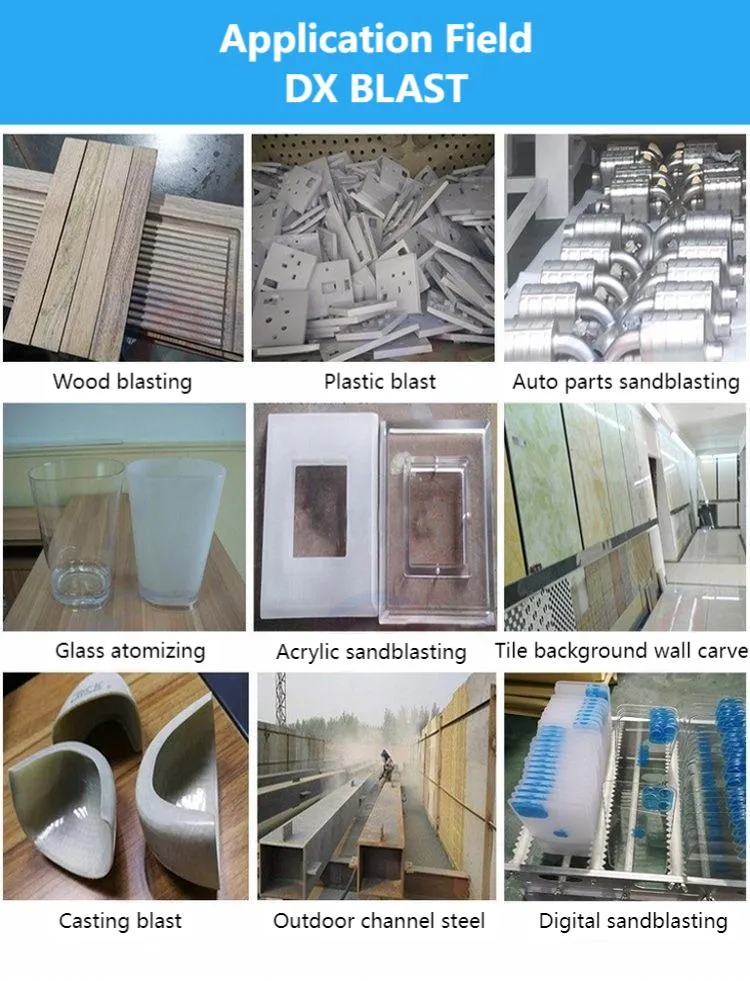
Material Adaptability: Compatible with steel, aluminum, and ceramics via customization.
How does the vacuum suction mechanism work in this system?
The machine uses a rotary vane pump or liquid ring vacuum pump to generate negative pressure. As air is evacuated, materials are drawn through hoses into a cyclone separator, where particles settle and clean air is expelled.
What materials can the turntable blaster handle?
It supports dry, non-sticky granules and powders like sand, coal dust, and steel grit. Special models can be customized for specific food-grade or delicate substances.
How is filtration efficiency maintained?
We recommend regular cleaning or replacement of pulse jet filters and inspection of cyclone separators for blockages. Our systems achieve over 99% dust removal efficiency.
What are the limitations in transport distance?
Standard models handle 40-50m horizontal or vertical ranges. For longer distances, we recommend high-pressure booster systems.
Can this equipment operate in explosive environments?
Yes, ATEX-certified models featuring spark-resistant motors and anti-static hoses are available for hazardous zones.
What distinguishes these industrial models from commercial units?
Industrial units feature significantly higher suction power (≥0.7 MPa), ruggedized stainless steel construction, and heavy-duty compatibility with abrasive media.
 Mobo Robot