Explore our elite portfolio of high-precision heavy-duty automation systems, tailored specifically for precision manufacturing, infrastructure diagnostics, and complex environmental cleaning.
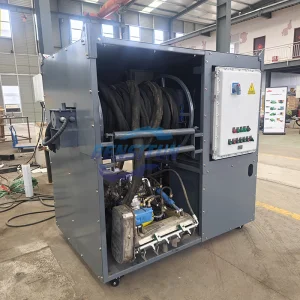
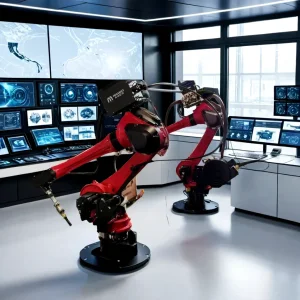
The global manufacturing landscape is undergoing a fundamental transformation. Legacy, static automation models are rapidly being replaced by dynamic, cognitive robotic ecosystems that are capable of adjusting to real-time workflow variations. As a leading high-end industrial robotics developer and exporter based in Dalian, China, Dalian Mobo Robot Co., Ltd. stands at the forefront of this industrial shift.
Established in 2014, we have spent more than a decade designing, engineering, and manufacturing world-class automation systems. We specialize in robust welding, cutting, environmental maintenance, and specialized inspection robotics. Through a comprehensive model of vertical integration, we deliver intelligent automation systems that significantly reduce total cost of ownership (TCO), increase operational throughput, and establish consistent, high-yield product quality. Our technology helps global manufacturers maintain their competitive edge in an increasingly automated world.
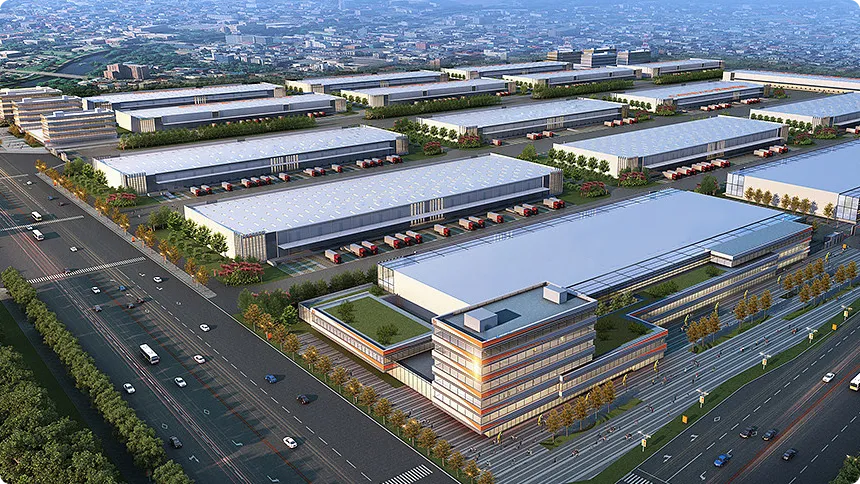
We deploy advanced industrial robotic equipment that provides immediate, measurable improvements in system reliability, precision, and operational efficiency across global manufacturing sectors.
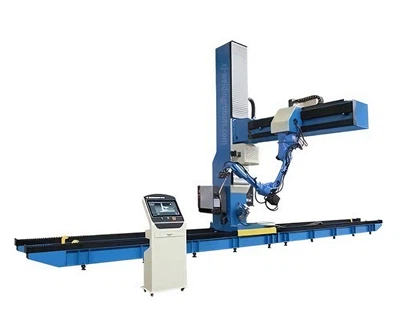
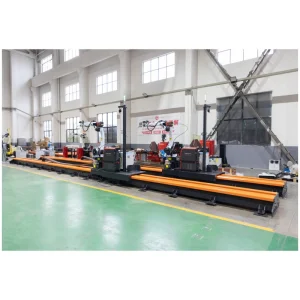
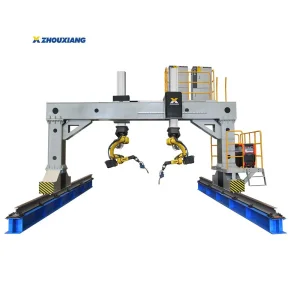
Our flagship system represents a breakthrough in welding automation: the 9-axis track-type teaching-free arc welding robot. Conventional robotic welding systems require lengthy programming and manual teaching runs for every new part geometry. This setup requirement makes high-mix, low-volume production runs cost-prohibitive.
By integrating laser scanning vision systems with intelligent control algorithms, our 9-axis robot scans joints in real time, automatically generates optimal path trajectories, and dynamically adjusts weld parameters during operation. This system eliminates manual programming, reduces changeover time to zero, and ensures consistent weld depth and quality even on complex, multi-curve structures.
Why Mobo Technology is uniquely positioned to deliver reliable, heavy-duty industrial systems at a lower cost than European and North American alternatives.
The efficiency and resilience of a robot manufacturer depend heavily on its supply chain. Based in Dalian, a major industrial port and manufacturing hub in Northeast China, Mobo Technology (Dalian) Co., Ltd. benefits from direct access to a mature, high-density industrial ecosystem. In 2023, we expanded our capabilities by establishing a fully integrated manufacturing base, allowing us to offer an end-to-end service that includes raw material sourcing, R&D design, precision manufacturing, and global sales.
This concentration of manufacturing expertise allows us to source raw materials, high-precision cast parts, and advanced electrical components with minimal transit times. We manage every step of the process internally, from raw material sourcing and mechanical design to final assembly, quality assurance, and packaging. This vertical integration protects our clients from the supply chain bottlenecks that often delay other robot manufacturers.
Our optimized cost structure is not built on compromising component quality, but on reducing production waste and process overheads. By using advanced laser cutting, automated bending, and precision CNC machining, we minimize material scrap and keep assembly times highly efficient. As a result, we provide high-performance industrial robots that match the precision and lifecycle duration of traditional European and Japanese brands, but at a significantly lower total cost of ownership.
By controlling the entire production process from raw material sourcing to final QA, we ensure the highest standards of quality, precision, and timely delivery.
Our focus on precision engineering and the use of cutting-edge technologies guarantees the reliability and consistency of our products.
We provide end-to-end automation solutions, including robotic systems, CNC machinery, welding systems, and more, customized to meet the unique needs of our clients.
With a presence in key markets around the world, we provide fast and responsive service through localized support centers, ensuring that our clients receive reliable assistance whenever they need it.
Every stage of production—from raw steel to finished robotic systems—is executed within our own specialized manufacturing facilities, ensuring complete quality control and component traceability.
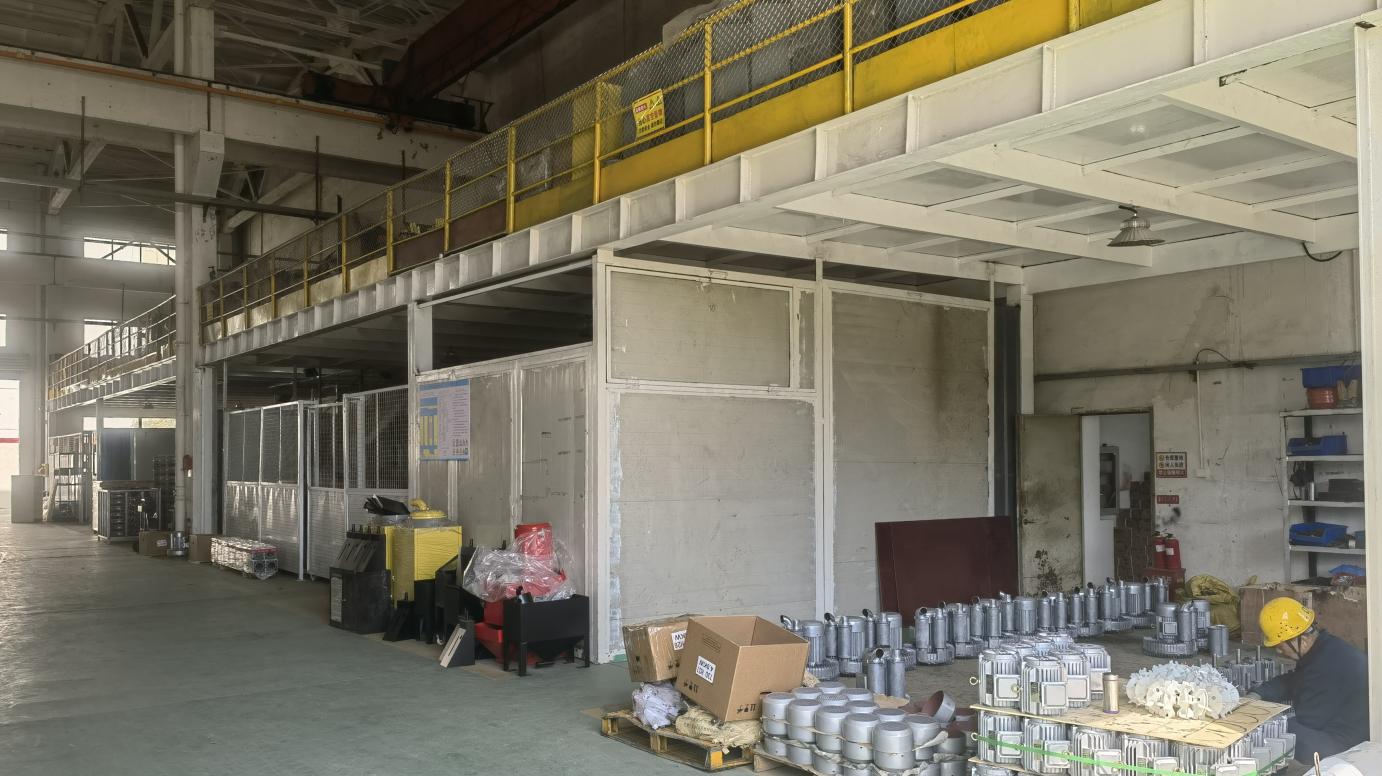
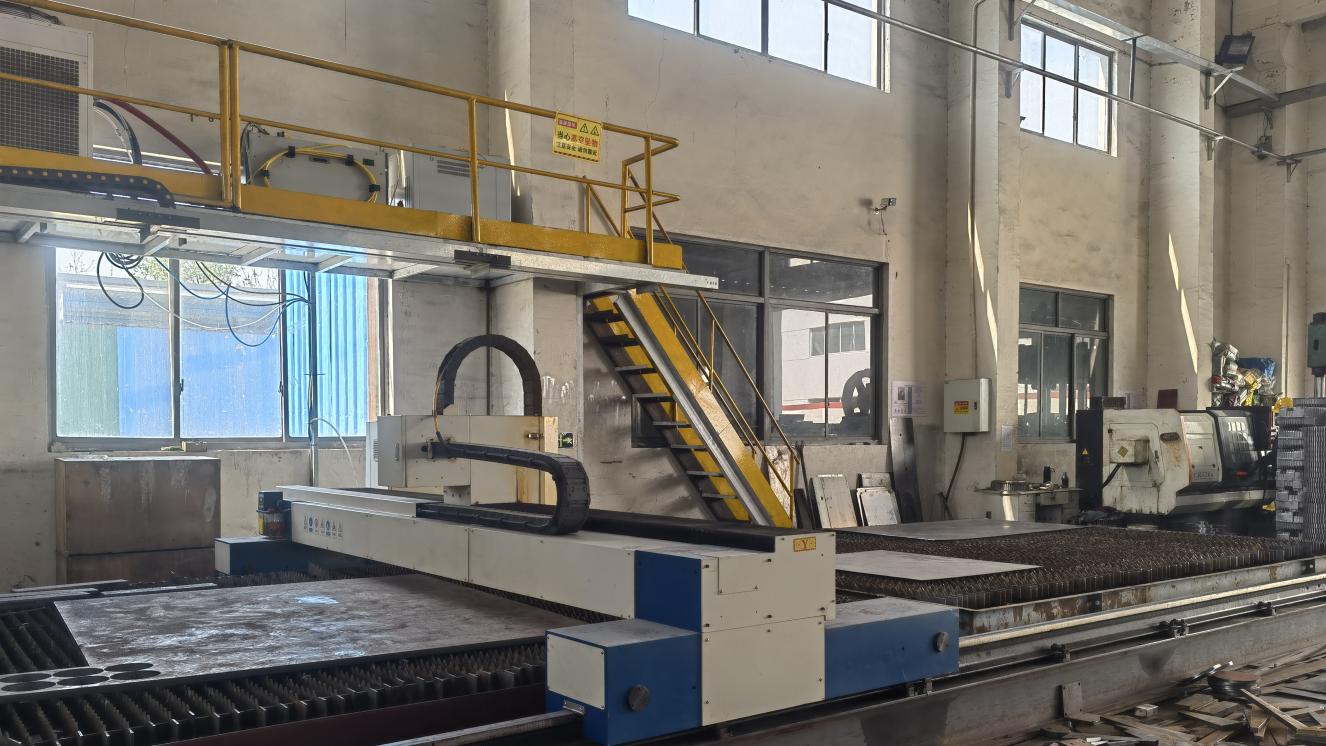
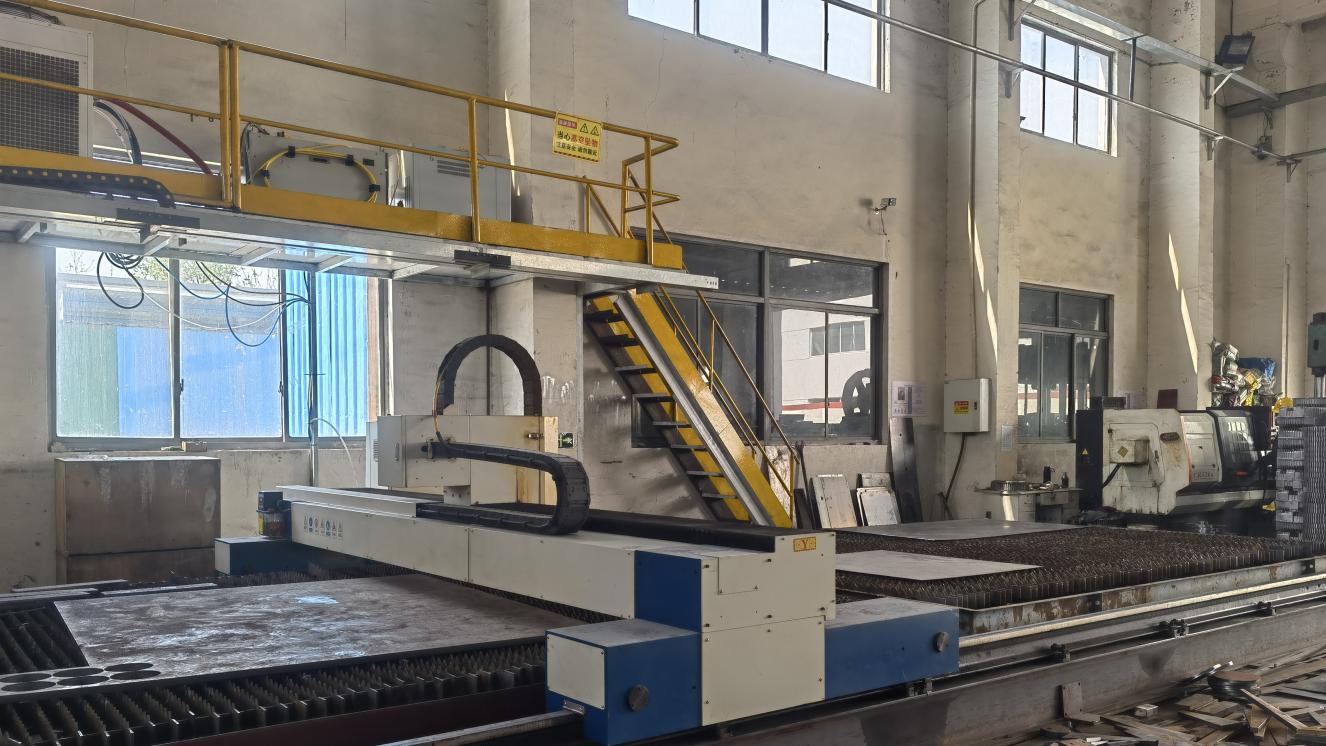
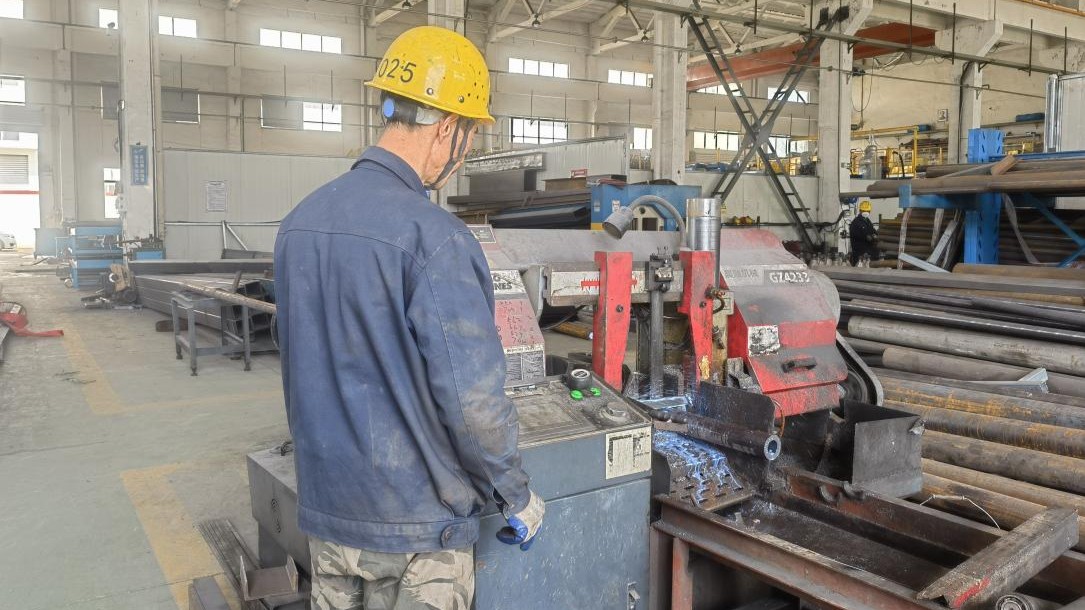
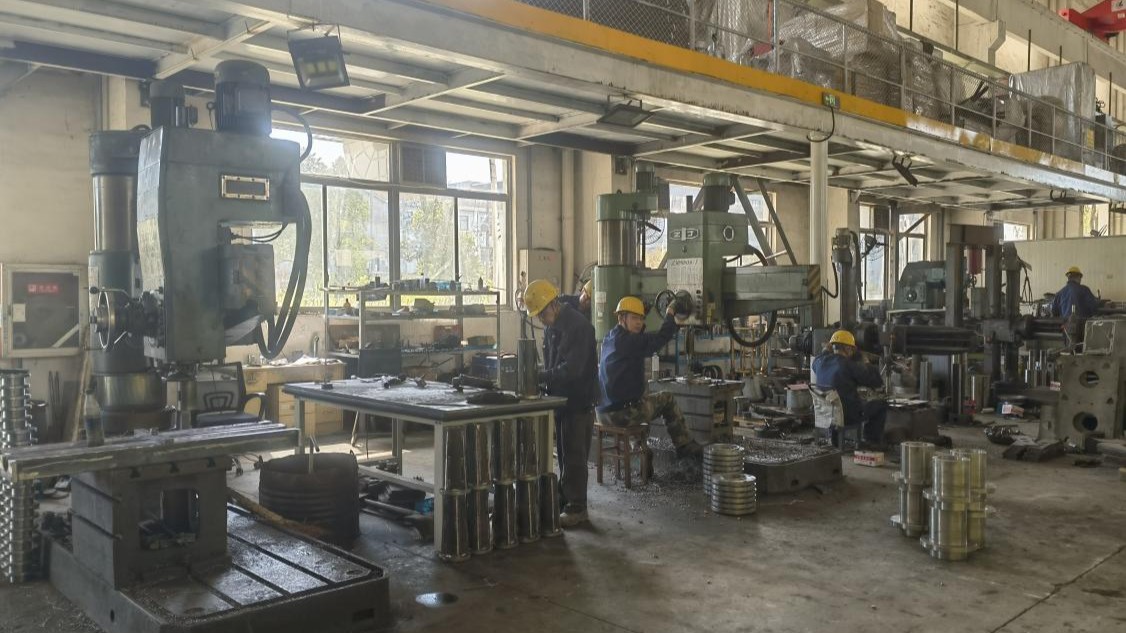
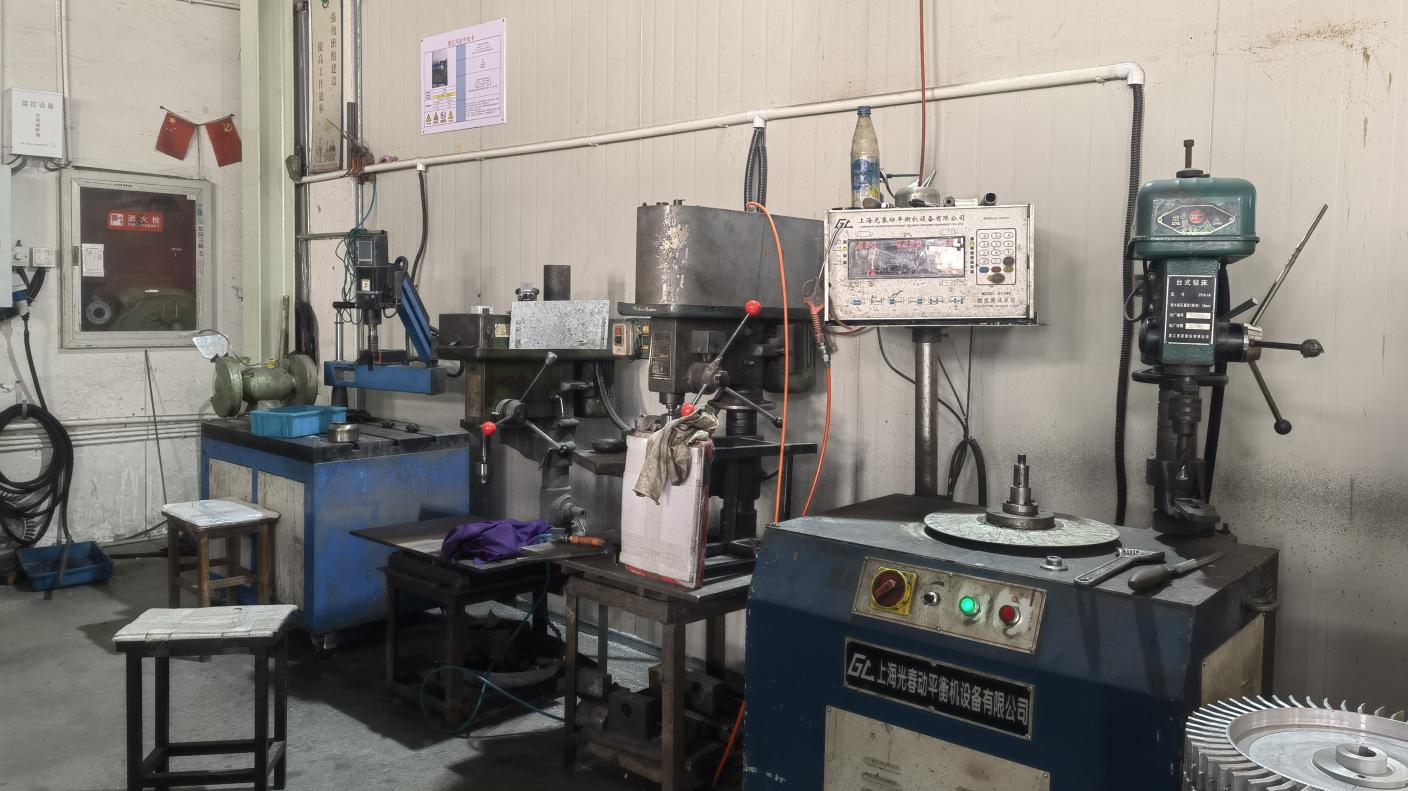
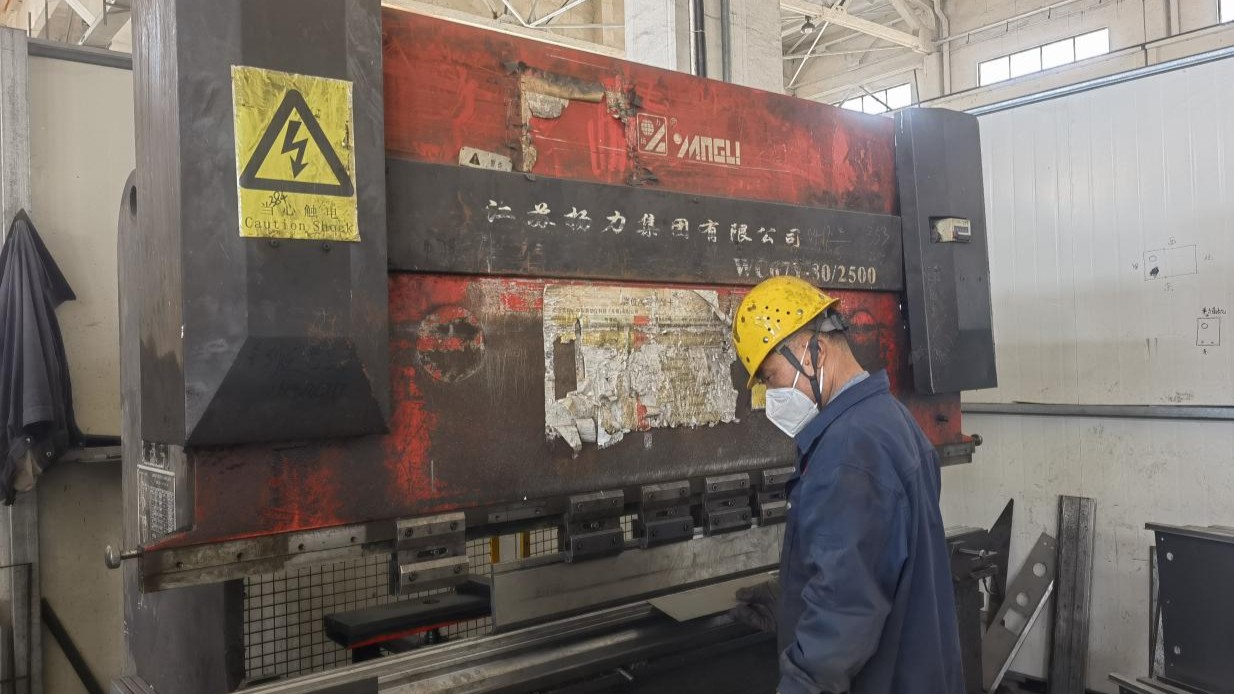
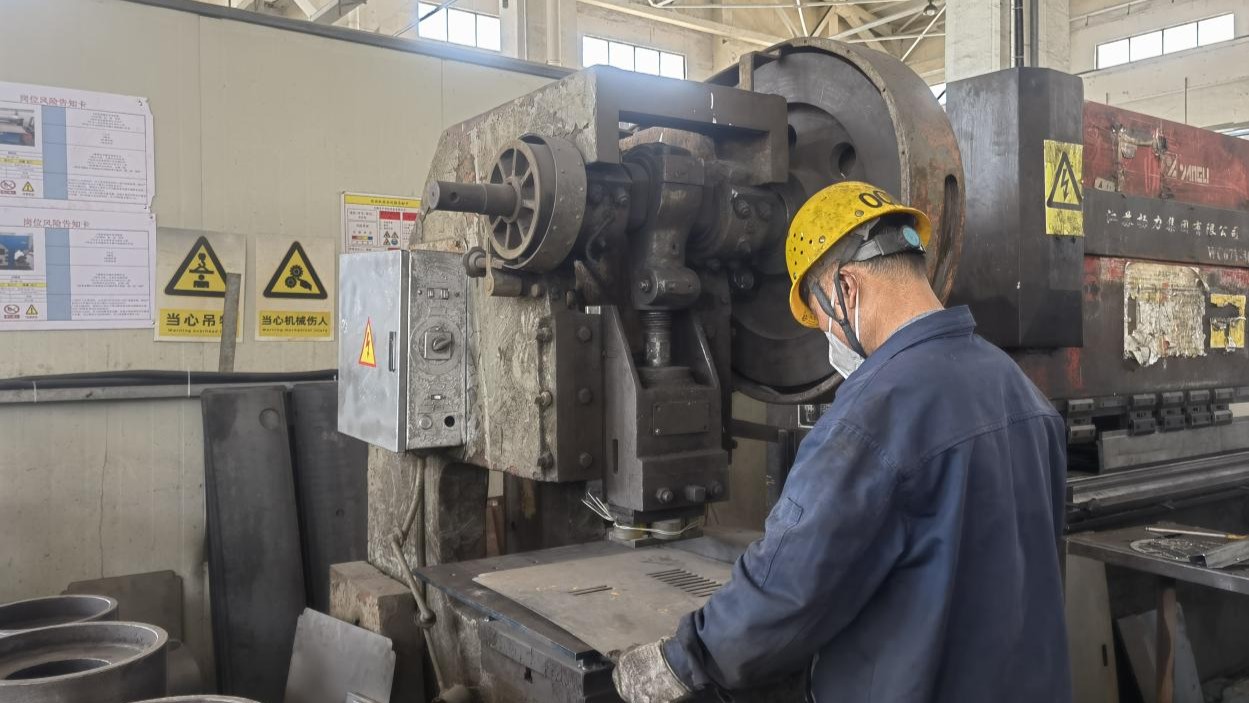
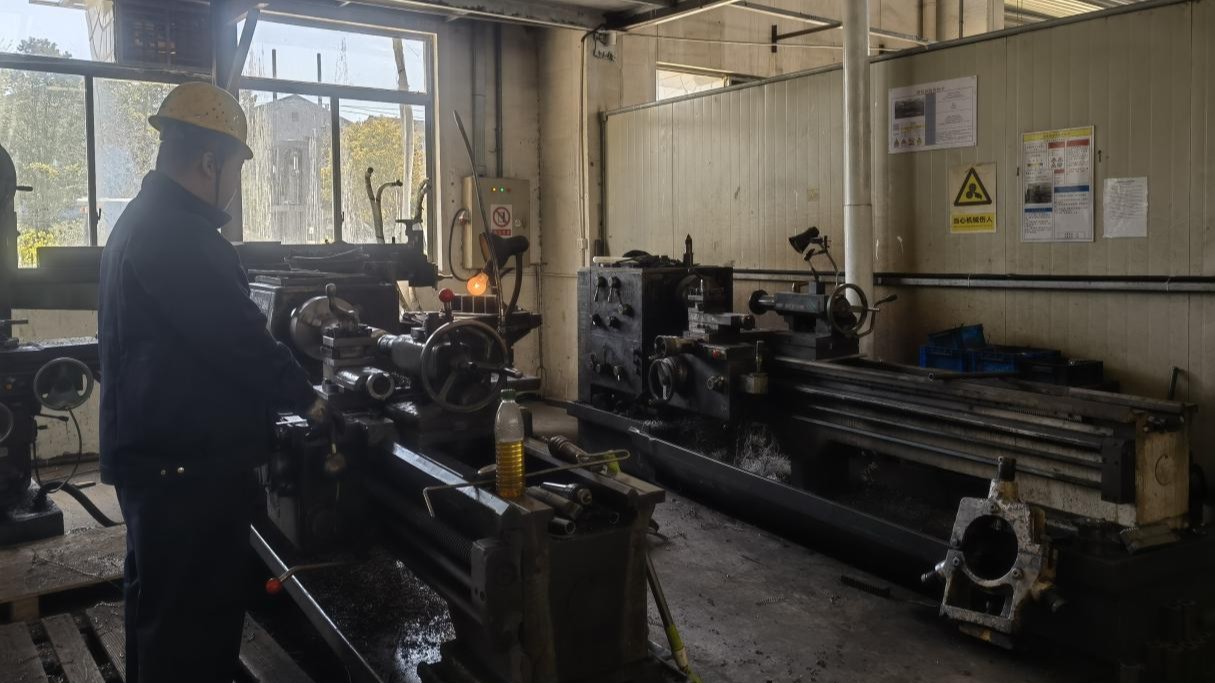
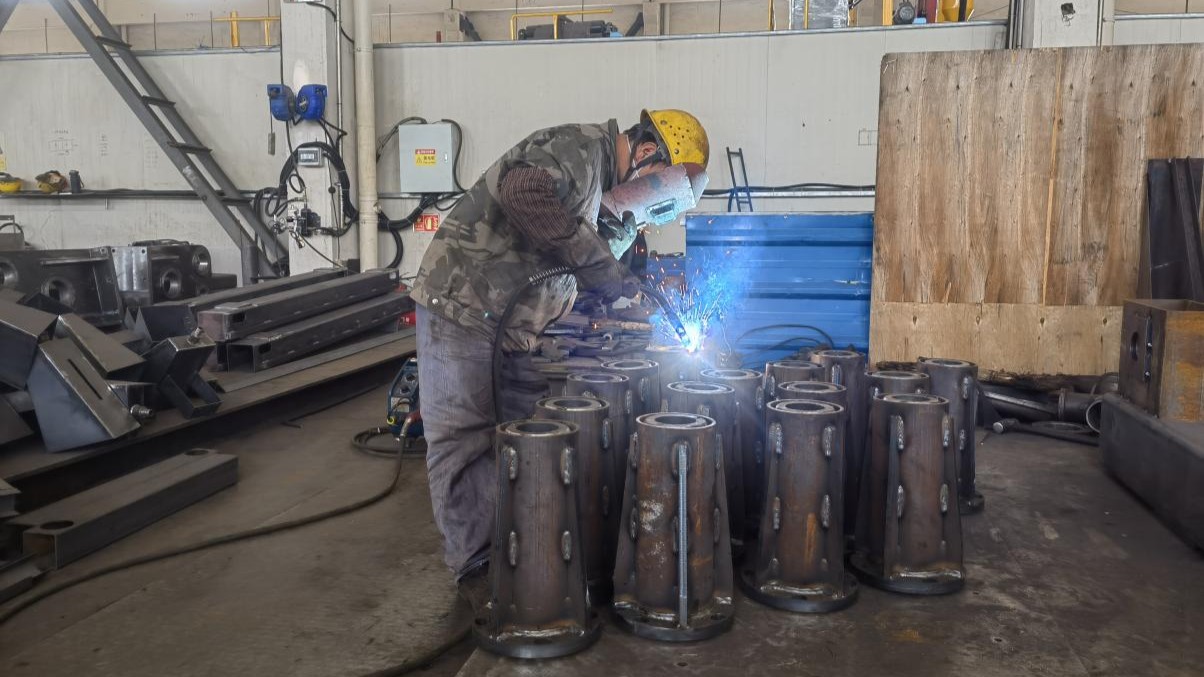
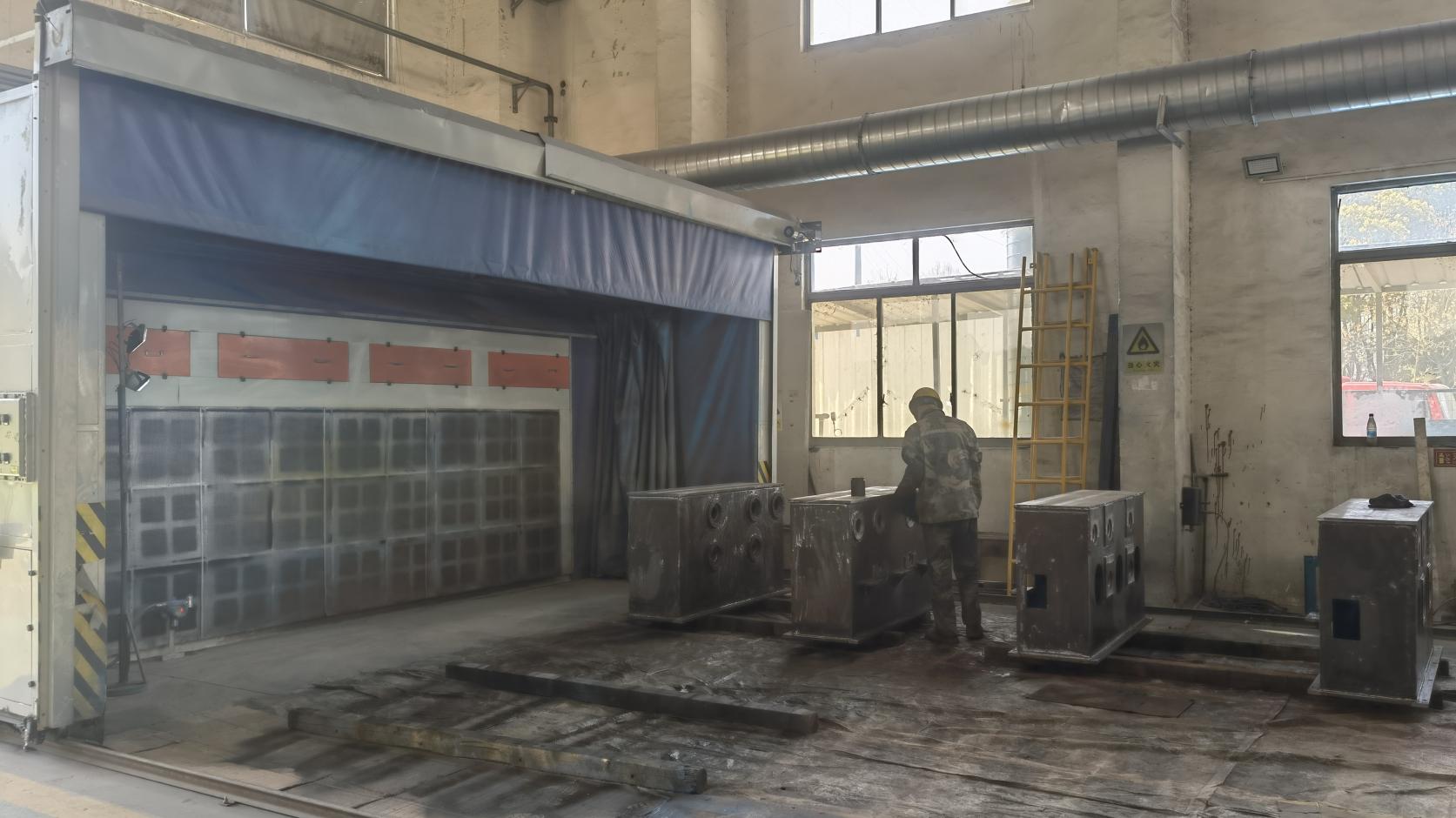
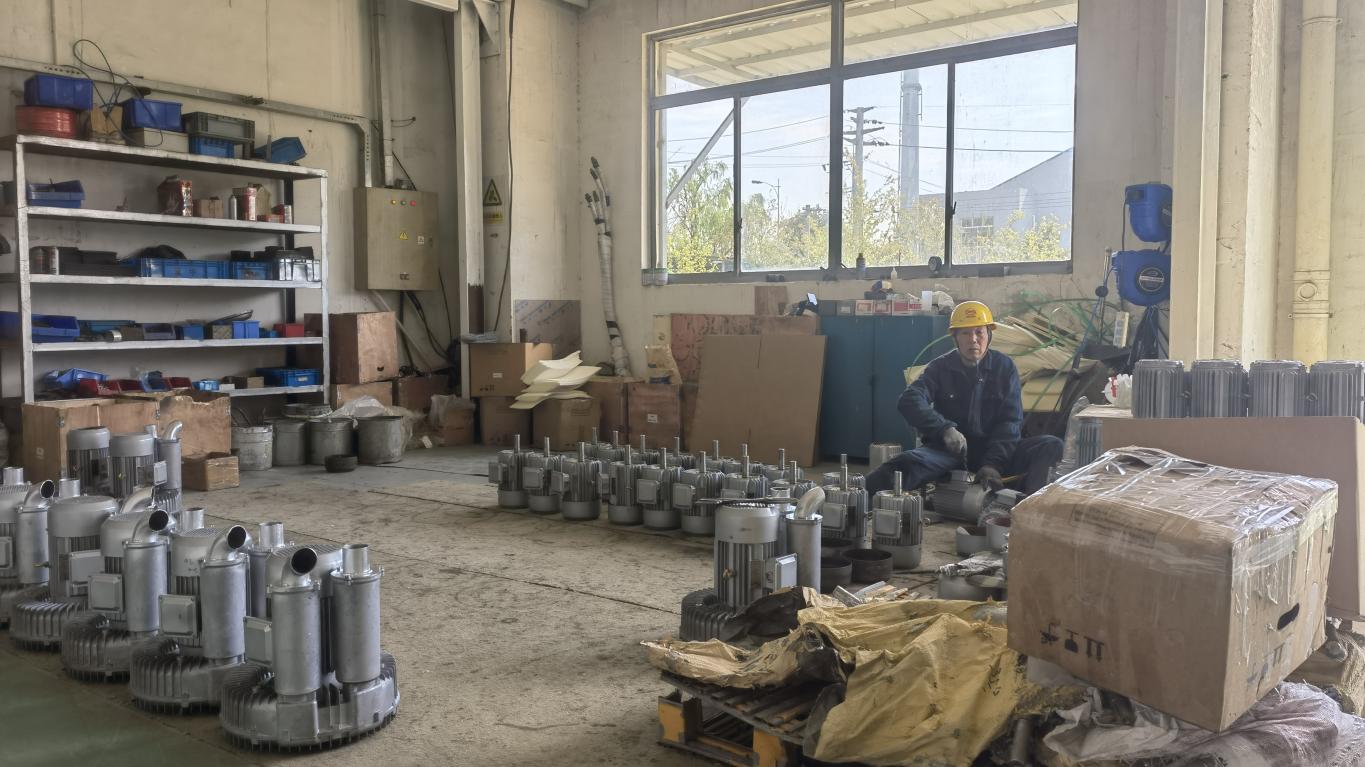
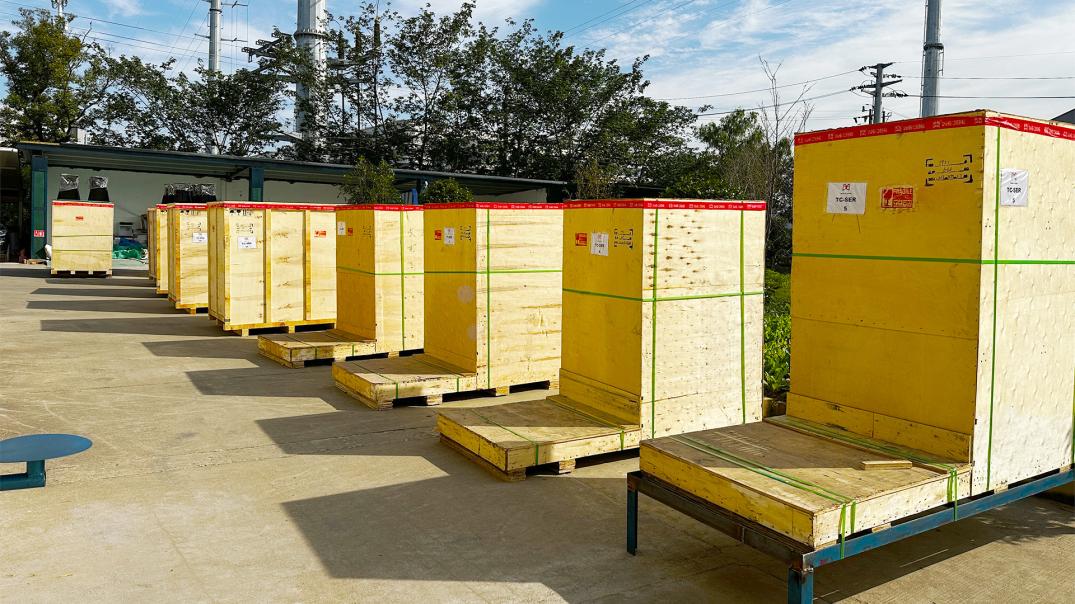
Our systems are designed for high-stress industrial environments. Explore the specific ways our robotic systems are applied across various industries.
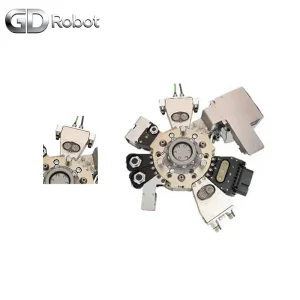
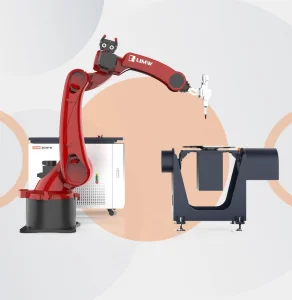
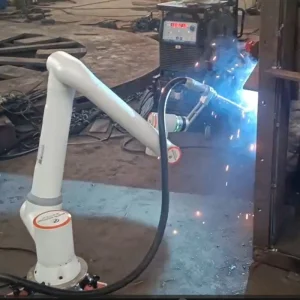
In automotive frame fabrication, high-speed rail construction, and structural steel manufacturing, weld integrity is non-negotiable. Mobo's 6-axis and 9-axis intelligent welding systems provide continuous seam tracking with sub-millimeter precision. By utilizing automated torch cleaning stations and pneumatic quick-change plates, our systems maintain a high arc-on time (up to 85%), reducing cycle times and eliminating post-weld spatter rework.
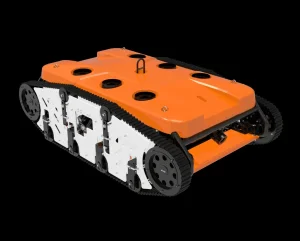
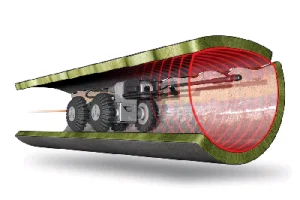
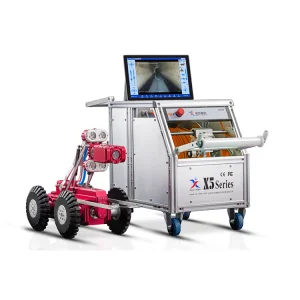
Buried infrastructure presents significant diagnostic challenges. Our specialized sewer and pipeline inspection crawlers are equipped with laser profiling scanners, HD imaging cameras, and explosion-proof chassis. These systems allow municipal operators to map internal pipeline conditions, measure corrosion depth, and identify structural anomalies without requiring trench excavation.
Biofouling on commercial cargo vessels increases drag, which significantly raises fuel consumption and carbon emissions. The HDCR2 underwater robot uses high-power magnetic tracks to adhere securely to ship hulls while underwater. It removes marine growth using high-pressure water jets and brushes, performing hull cleaning while the vessel is at anchor to reduce dry-docking downtime.
Large-scale photovoltaic plants are often located in arid regions where dust accumulation can quickly reduce power generation efficiency by up to 30%. Our remote-controlled crawler-mounted PV cleaning robots feature light, carbon-fiber frames and waterless cleaning rollers. This design allows them to clean solar arrays efficiently without using scarce local water resources.
How we are designing future robotic capabilities to meet the next generation of industrial requirements.
We are integrating edge-computing hardware directly onto our welding robot arms. By processing high-frame-rate visual data locally, our robots will be able to detect micro-defects in weld beads and adjust voltage and feed speeds instantly during the welding process.
We are developing a unified IoT platform to monitor the performance of deployed robots globally. By tracking motor temperature, torque variations, and gear backlash, our system can predict part failures before they occur, allowing operators to schedule maintenance and prevent unplanned downtime.
We are designing next-generation heavy-payload cobots equipped with advanced tactile skin sensors. These sensors detect proximity and light contact, allowing the robots to work safely alongside human technicians without requiring protective metal safety cages.
Deploying industrial robots internationally requires strict adherence to regional safety and regulatory standards. All Dalian Mobo robotic systems conform to key global standards, including CE (Conformité Européenne) for European markets, UL (Underwriters Laboratories) for North America, and ISO 9001 quality management standards.
We back our equipment with a global technical support network. Through localized service hubs in Europe, the Middle East, Southeast Asia, and North America, we provide on-site installation, commissioning, and operator training. Our systems also feature remote diagnostic capabilities, allowing our engineering team in Dalian to assist your local technicians via secure remote access, resolving software issues and optimizing cycle times without delay.
We also maintain a reliable inventory of replacement parts. Critical consumables, servo motors, control boards, and quick-change plates are stored in regional warehouses, allowing us to ship replacement parts quickly and keep your production lines running.
Common questions regarding the installation, software integration, and operation of Mobo industrial robotic systems.
A standard 6-axis robot arm has a fixed working envelope. If a weldment is longer than the reach of the arm, the part must be repositioned manually, which interrupts the welding cycle. By mounting the 6-axis arm on an integrated 3-axis linear track system, the robot gains three additional axes of motion. This allows the arm to move smoothly along the entire length of large structural assemblies, maintaining a consistent torch angle and weld speed along the entire joint.
Our teaching-free system uses a structured-light laser sensor mounted on the welding torch. Before the welding cycle begins, the laser scans the joint area. The software processes this profile, identifies the weld joint, and generates the toolpath coordinates automatically. During welding, the sensor monitors the joint profile just ahead of the arc, correcting the torch position in real time to compensate for any thermal distortion or part fit-up variations.
Our inspection crawlers are highly modular. We offer configurations for pipeline diameters ranging from 150mm up to 2000mm. The wheel and track assemblies can be adjusted quickly in the field, and the HD camera lift can be raised to position the lens along the centerline of different pipe sizes for accurate laser scanning and inspection.
Our underwater crawler units, including the HDCR2, are built using marine-grade anodized aluminum alloys, stainless steel (SUS 316), and specialized synthetic polymers. All electrical enclosures are dual-sealed and pressurized to prevent water ingress. Additionally, sacrificial anodes are integrated into the chassis to protect critical metal surfaces from galvanic corrosion in saltwater.
Standard robotic work cells are typically ready to ship within 6 to 8 weeks. For custom-engineered systems that require specialized fixtures, multi-robot coordination, or integration with existing factory lines, the process takes approximately 12 to 16 weeks. This timeline includes conceptual design, engineering reviews, assembly, and testing at our Dalian factory before shipment.
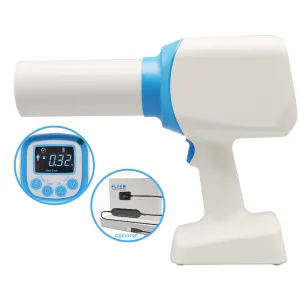
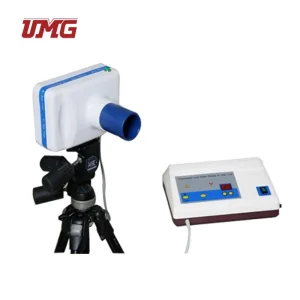
Explore our specialized systems, including solar panel maintenance equipment, non-destructive dental imaging tools, and advanced pipe inspection crawlers.
 Mobo Robot