High-efficiency solutions customized for industrial operations, heavy-duty manufacturing, and structural restoration infrastructure.
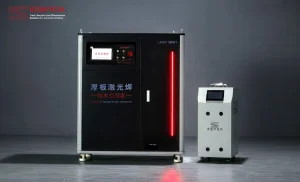

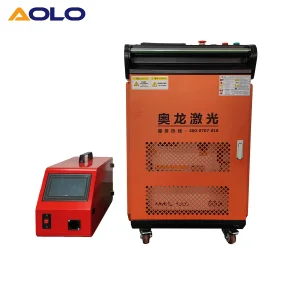
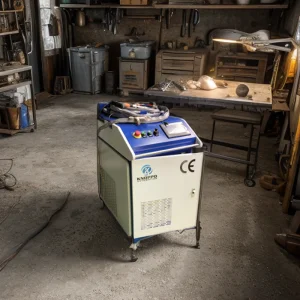
In the rapidly diversifying industrial landscape of Bamenda and the broader Northwest Region of Cameroon, structural steel degradation presents an expensive engineering challenge. Due to high humidity, shifting microclimates, and intensive processing in localized agricultural and structural assembly facilities, oxidation layers compromise structural safety and reduce mechanical lifespans. Traditional sandblasting, grid grinding, and volatile chemical treatments are slow, labor-intensive, hazardous, and expensive.
This industrial whitepaper offers a rigorous comparative analysis of Handheld Laser Descaling versus Automated Robotic Laser Ablation Platforms. As high-capacity factories and regional equipment exporters position themselves for international supply chains, upgrading from manual scraping to advanced thermal photon ablation is essential. This document serves as a strategic blueprint for plant managers, commercial fabricators, and equipment distributors looking to source high-intensity laser maintenance setups.
The choice between handheld configurations and fully automated robotic laser cleanrooms depends on three factors: part geometric variance, required daily surface throughput, and local electrical power profiles. Handheld systems excel in field maintenance and customized repair setups, while integrated robotic components provide high consistency and speed for standardized manufacturing output.
Understanding the physics of high-density photon absorption, galvo mirror scan patterns, and precision safety limits.
Laser descaling uses high-energy fiber laser pulses to quickly heat sub-surface mill scales, oxides, and rust layers. The sudden expansion causes these impurities to split off from the base metal substrate without damaging it. This process depends heavily on the execution platform chosen by the workshop team.
| Performance Dimension | Handheld Laser Descaling Systems | Robotic/Gantry-Integrated Laser Descaling |
|---|---|---|
| Operational Core Mechanics | Manual intervention; operator guides ergonomic cleaning head along workpieces. | Programmable multi-axis articulated robots running offline trajectories with precision accuracy. |
| Power Capacity Limits | Typically ranges from 1000W up to 3000W; higher power levels increase operator fatigue due to heavier cooling lines. | Scalable from 3kW up to 12kW+ continuous or pulsed fiber systems with zero manual weight constraints. |
| Surface Quality Consistency | Dependent on operator skill, speed, and standoff distance. Variation can occur over long shifts. | Highly uniform results; exact pitch, line overlaps, and focal distances are maintained perfectly. |
| Safety and Containment | Requires open-room laser safety eyewear, local fume extractors, and strict workspace isolation curtains. | Fully enclosed Class 1 laser safety cleanrooms with automatic interlocking doors and built-in exhaust systems. |
| Capital Investment Scale | Lower initial cost; excellent option for agile maintenance shops and small foundries. | Higher initial capital investment; optimized for continuous multi-shift production and high-volume operations. |
While a handheld configuration offers helpful flexibility for treating structural nodes inside irregular frames or large vehicles, a robotic layout delivers high speed and consistency for large parts. Robotic configurations eliminate human error and protect operators from high-intensity scattered reflections and microscopic toxic particulates.
Analyzing local use cases, manufacturing infrastructure growth, and supply chain expansion across the Northwest Region.
Bamenda serves as a major trade hub connecting regional construction initiatives. Heavy machinery, I-beams, and structural rebar stored outdoors require rust removal before welding. High-power laser cleaning prepares surfaces properly, preventing joint failure caused by weld contamination.
Local production of coffee, tea, and grain processing equipment relies on food-grade stainless steel fabrication. Laser descaling removes heat tint, oxides, and residues without using toxic acids or chemicals, keeping processing surfaces safe and unpolluted.
Regional distribution centers handle imported commercial trucks, industrial tooling, and heavy vehicles. Laser systems quickly restore chassis surfaces, clear away transport grime, and remove heavy oxidation before applying protective coatings.
Deploying high-power laser equipment in Bamenda requires planning for local power grid variations. Because power supply fluctuations can disrupt high-voltage systems, industrial setups are configured with integrated surge protection and matching generators. This ensures steady beam production and protects sensitive optics during multi-hour production schedules.
Connect with our global applications team to configure automated cleaning cells or multi-use handheld systems customized for your local manufacturing requirements.
Send Inquiry NowFounded in 2014, Dalian Mobo Robot Co., Ltd. is committed to innovation and excellence in the field of industrial automation. Guided by our core values of "Integrity in Business, Commitment to Quality," we strive to build long-term partnerships based on trust and mutual success. Our mission is to lead in the welding, cutting, and laser automation sectors by providing superior products and services that meet the evolving needs of industries worldwide.
Since our establishment, we have been at the forefront of the robotics and automation industry, specializing in the supply, installation, and after-sales support of advanced welding and cutting equipment, robotic systems, accessories, consumables, and specialty industrial materials. With over a decade of hands-on field experience, we have earned the trust of more than 1,000 clients across various sectors, including automotive manufacturing, heavy shipbuilding, large-scale construction, and mining logistics.
In 2023, we expanded our capabilities by establishing a fully integrated manufacturing base—Mobo Technology (Dalian) Co., Ltd.—allowing us to offer an end-to-end service model that includes raw material sourcing, customized R&D design, precision component manufacturing, and streamlined global sales. Our advanced production lines produce cutting-edge automated systems, including robotic arc welders, teaching-free AI-driven welding systems, high-intensity laser cleaning platforms, and energy-efficient surface preparation equipment.
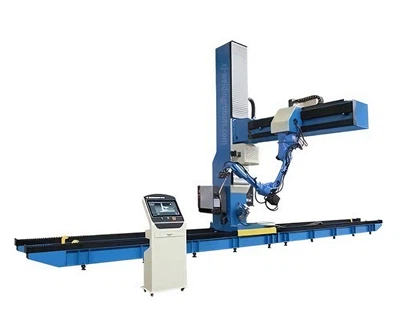
High-Precision 9-Axis Teaching-Free Track System for Heavy Fabrication Controls
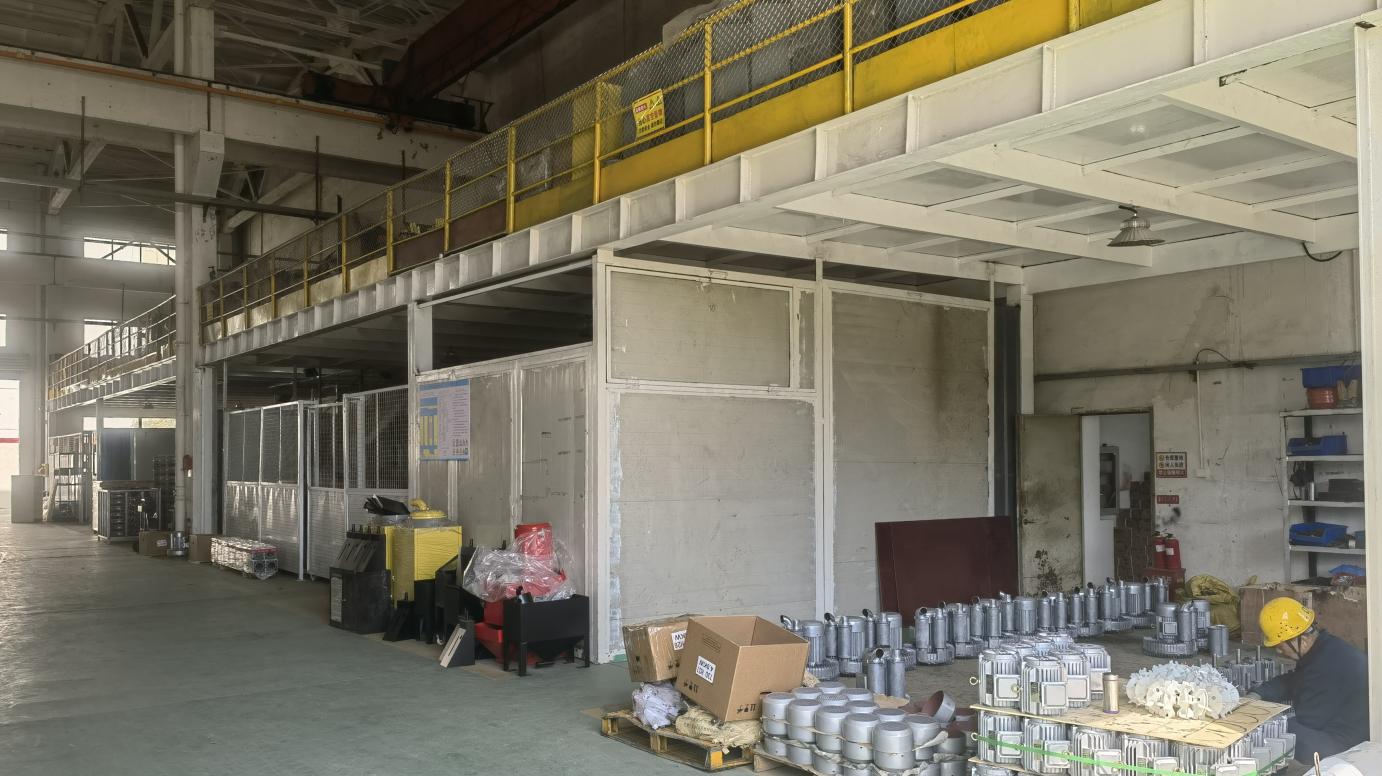
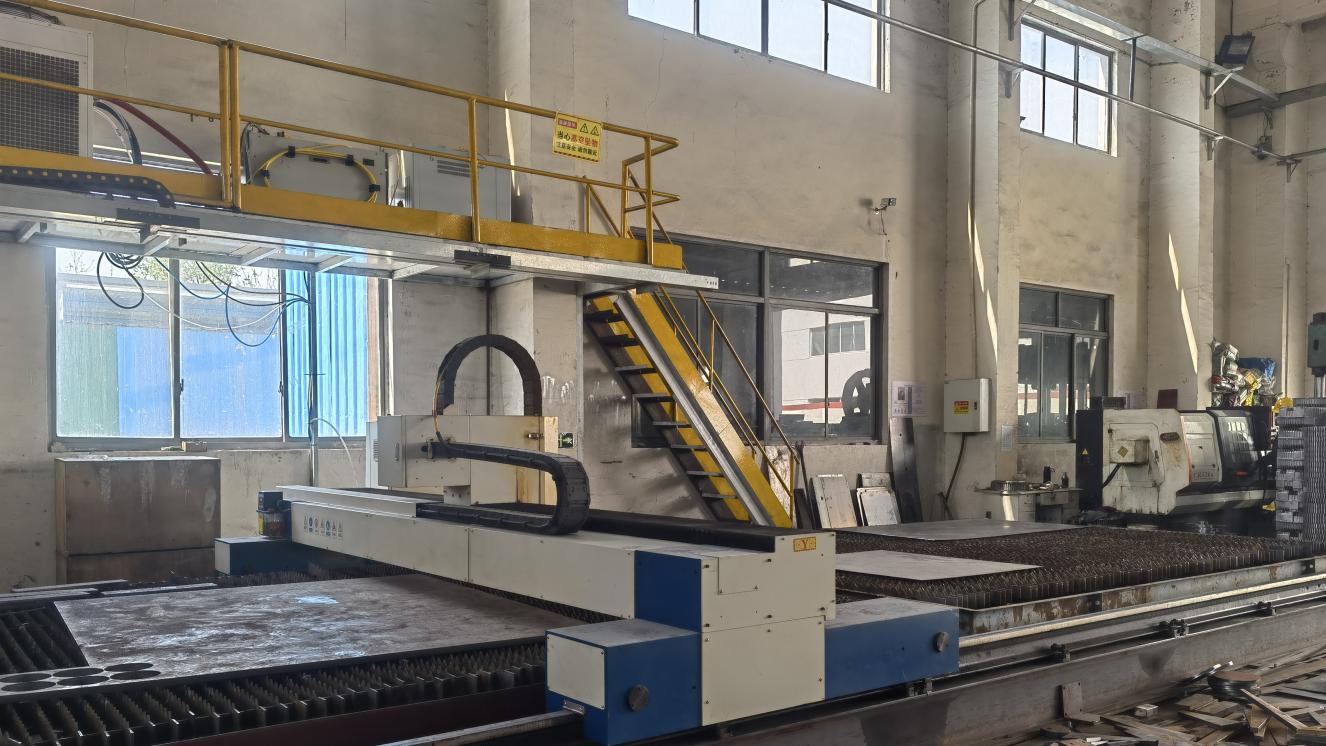
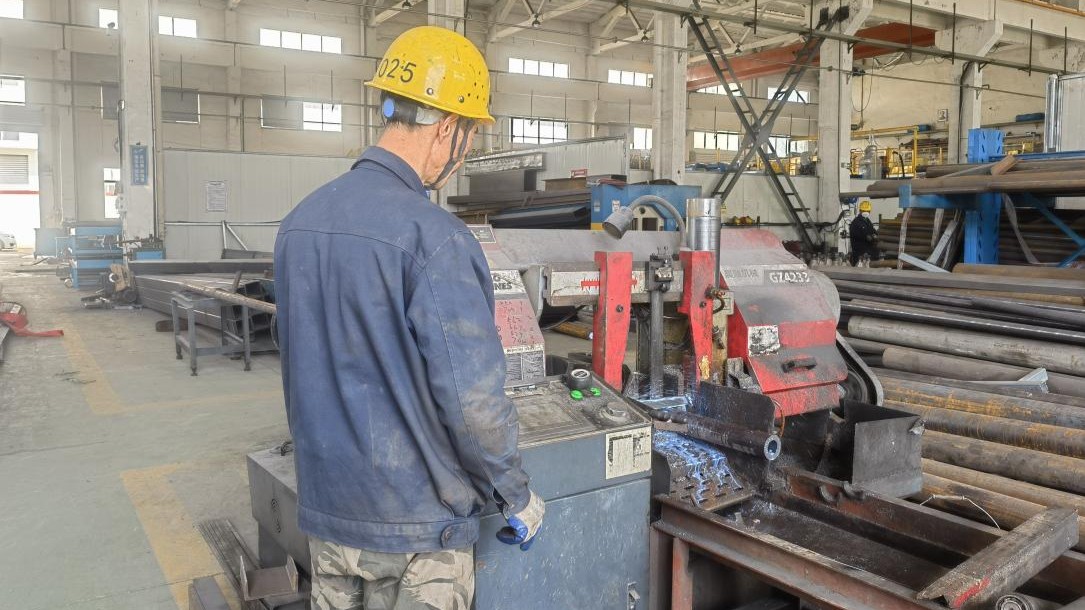
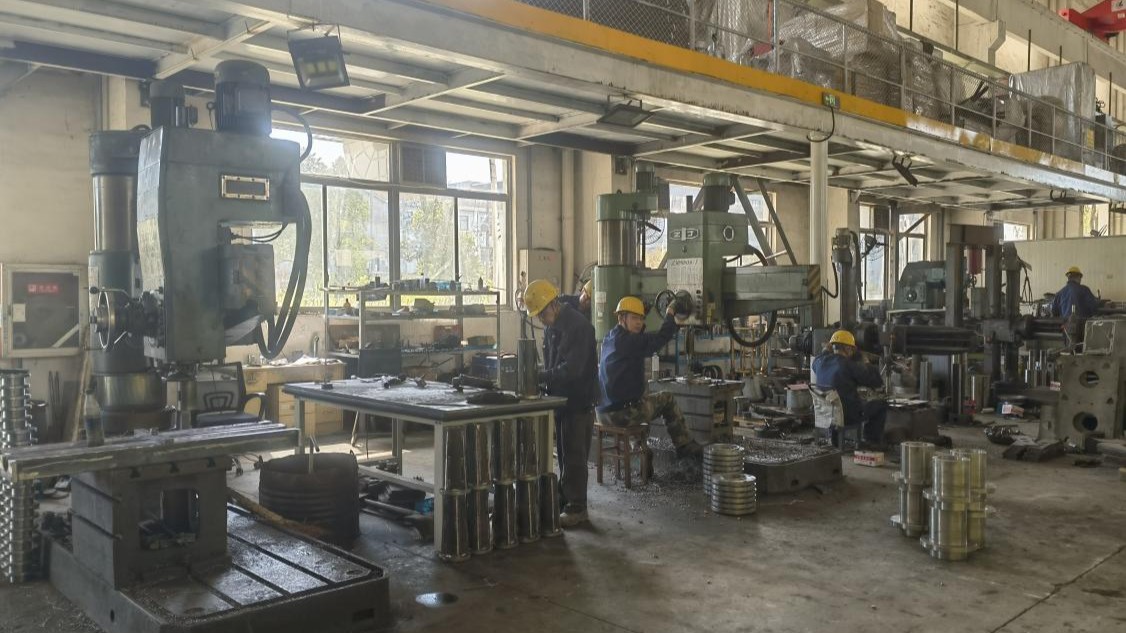
Every piece of hardware undergoes a thorough quality control sequence, from sourcing raw materials to final packaging for shipment.
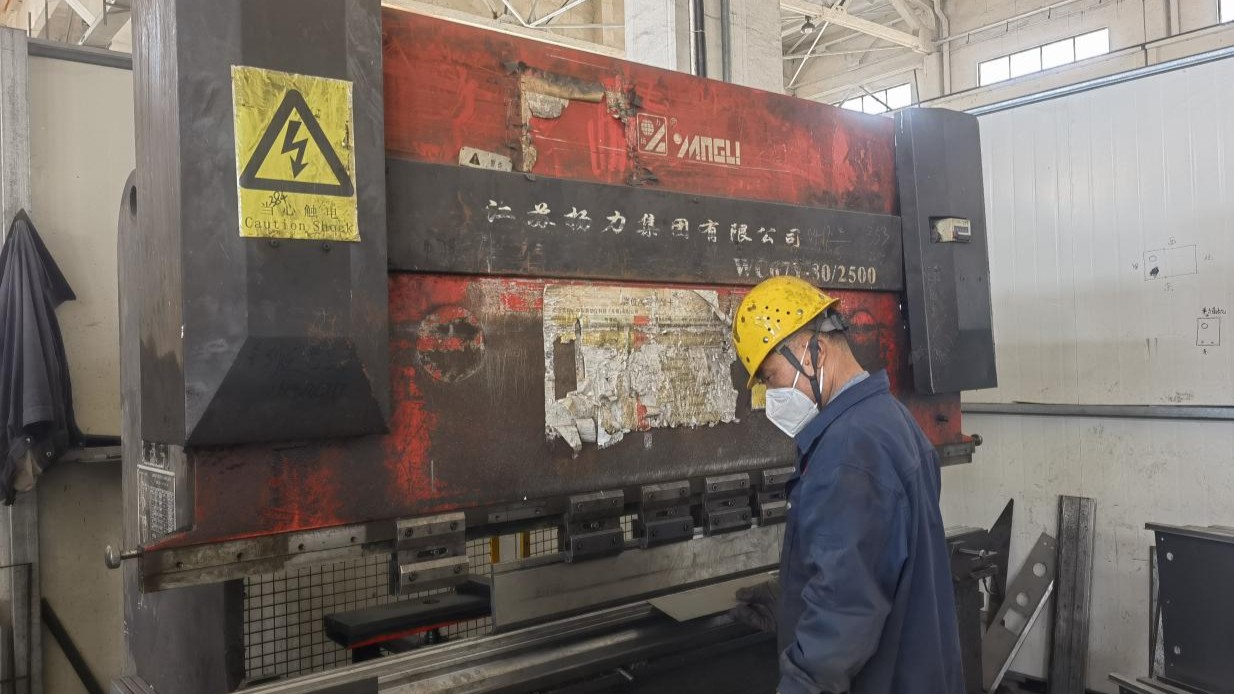
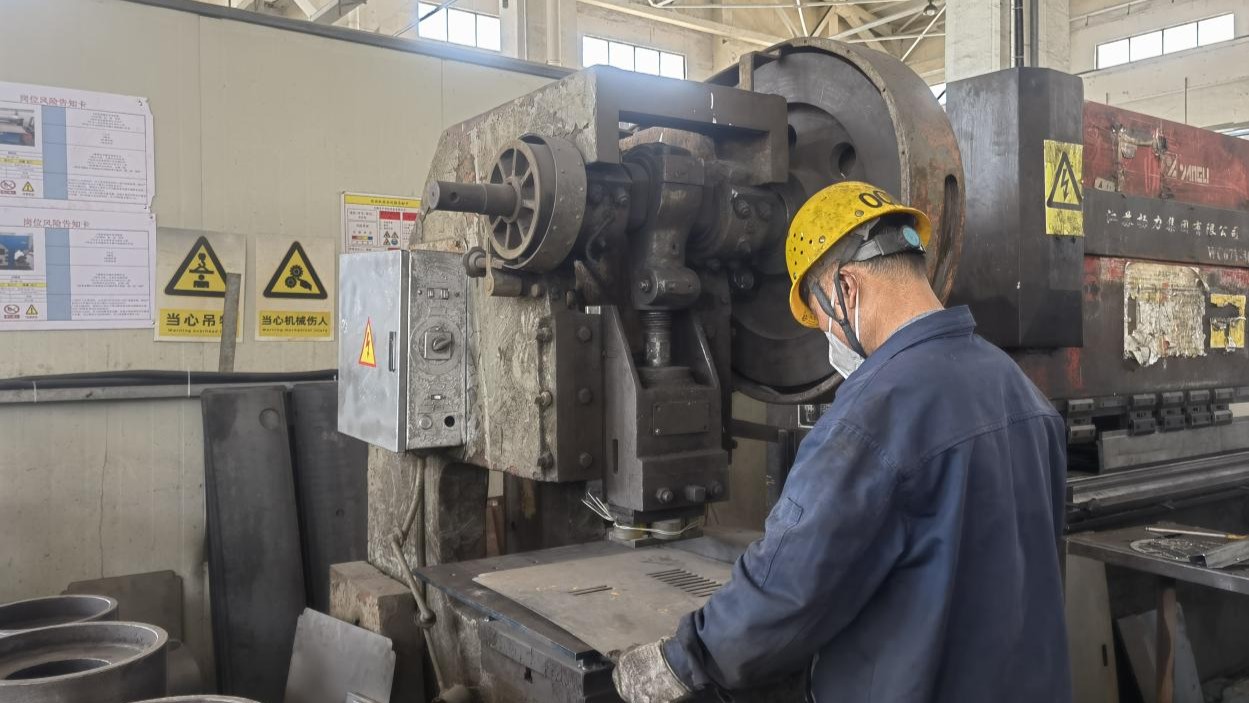
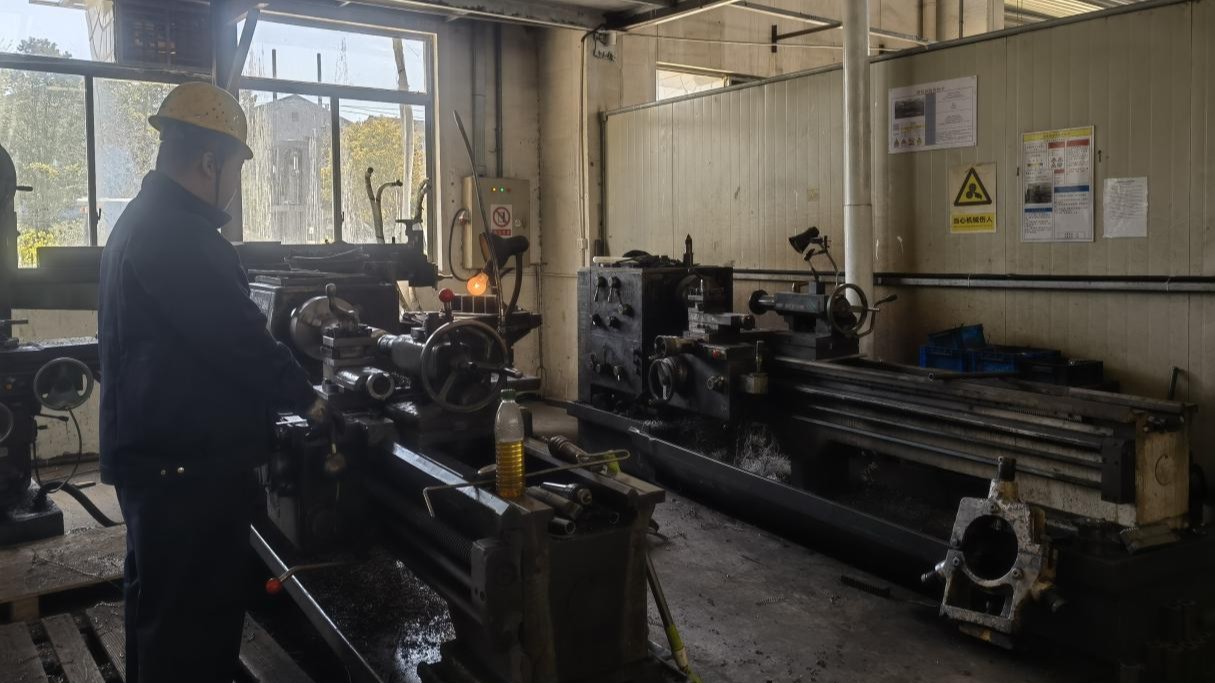
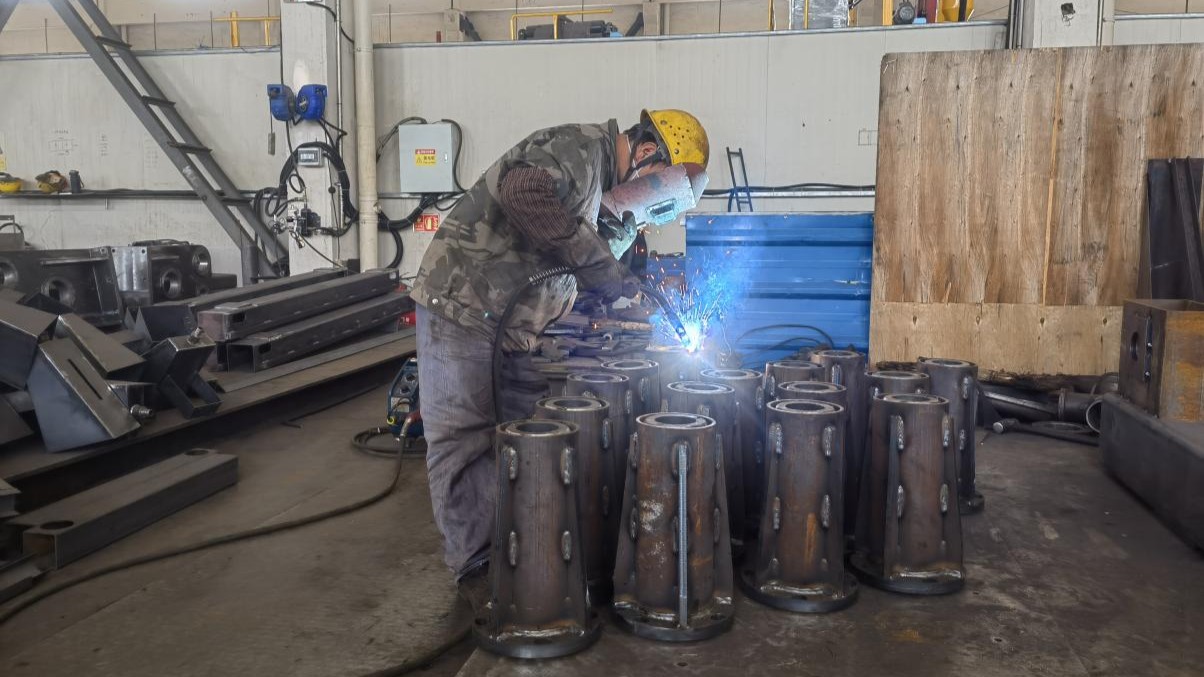
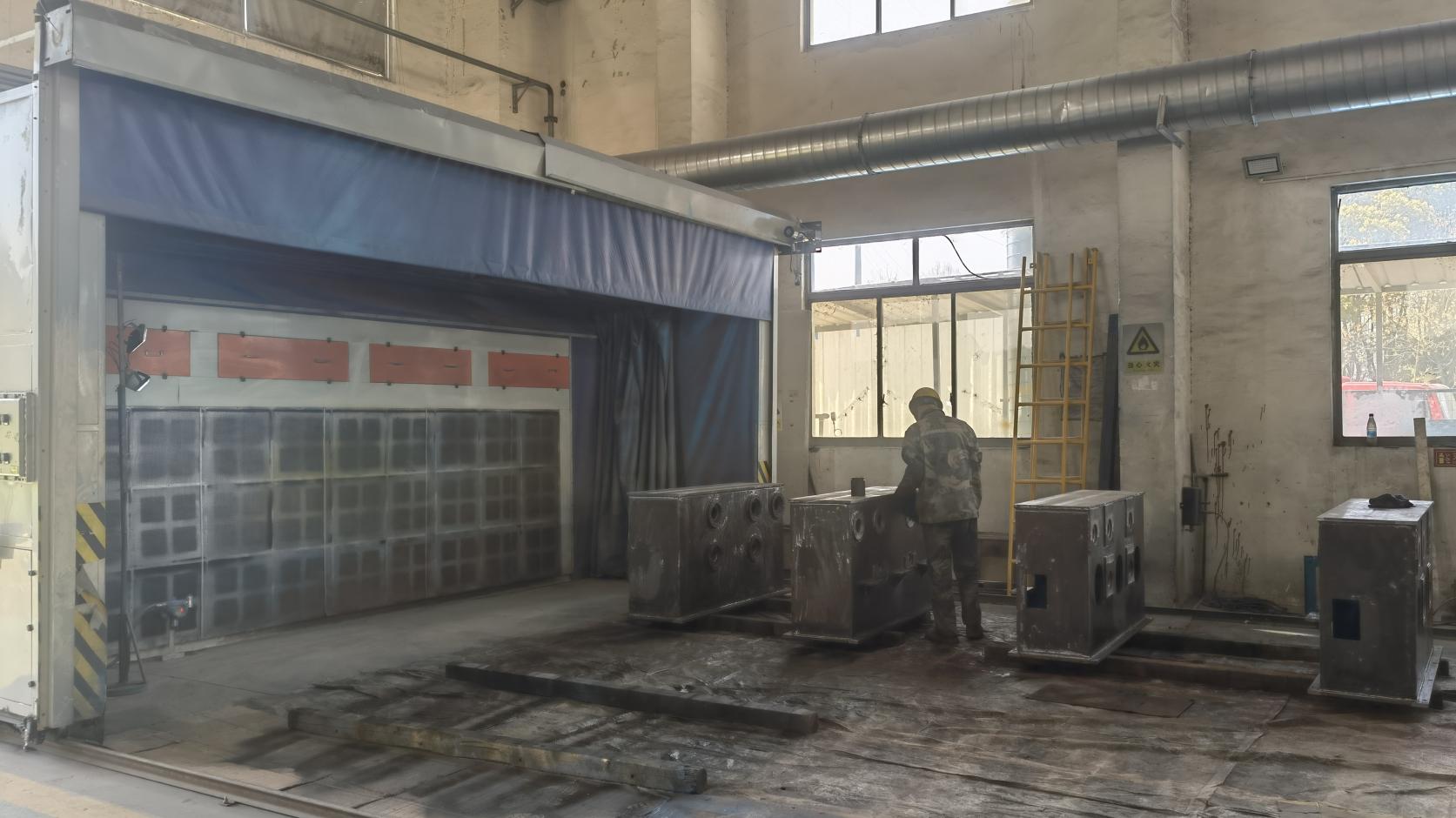
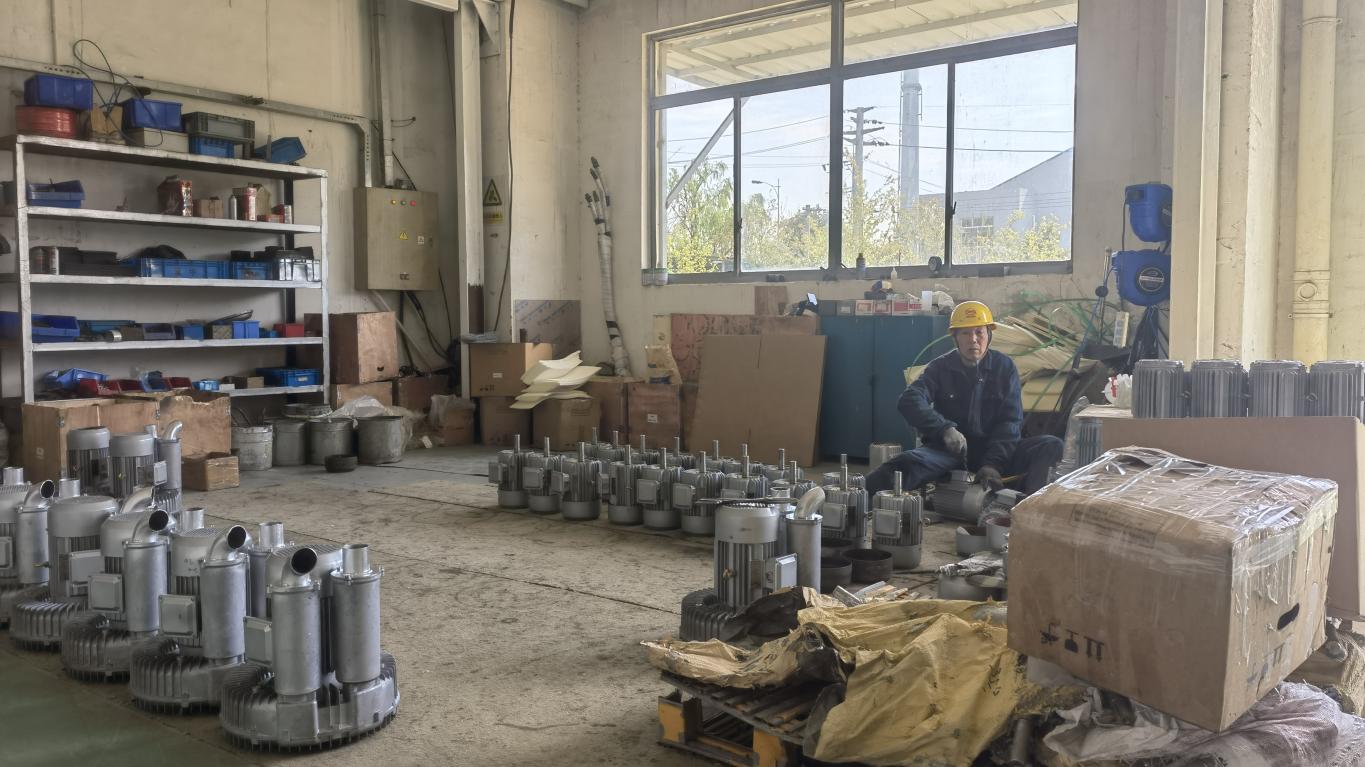
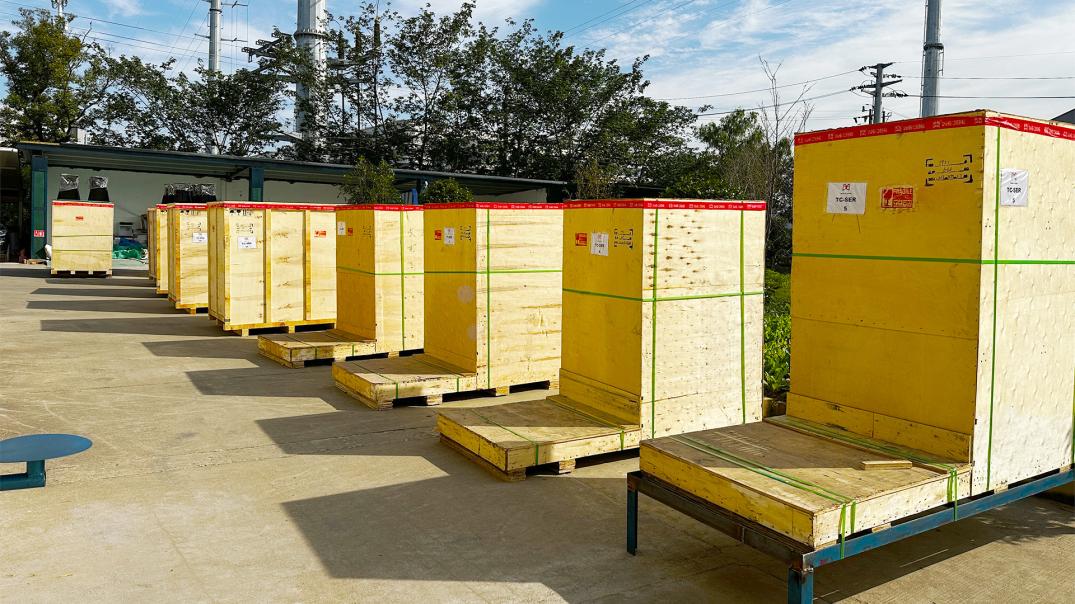
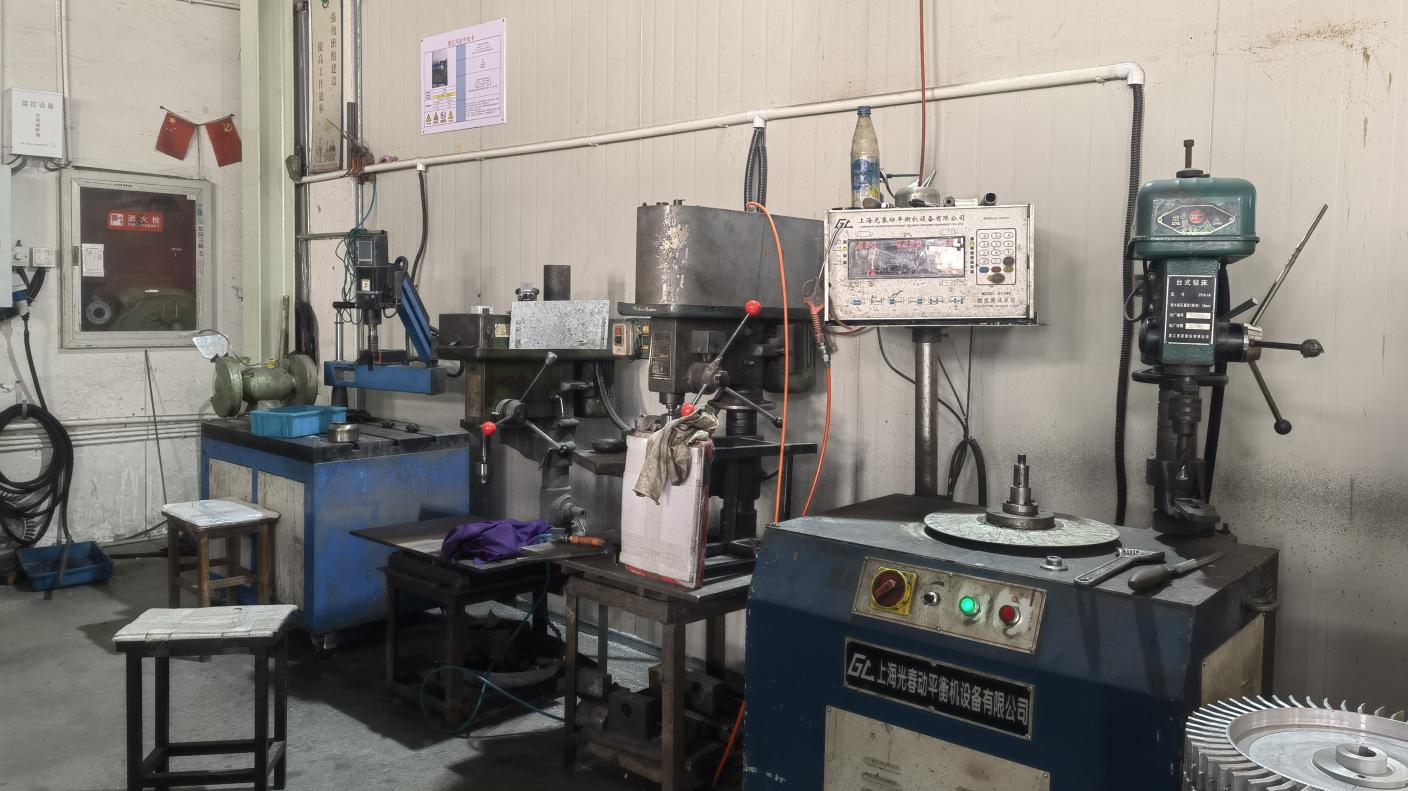
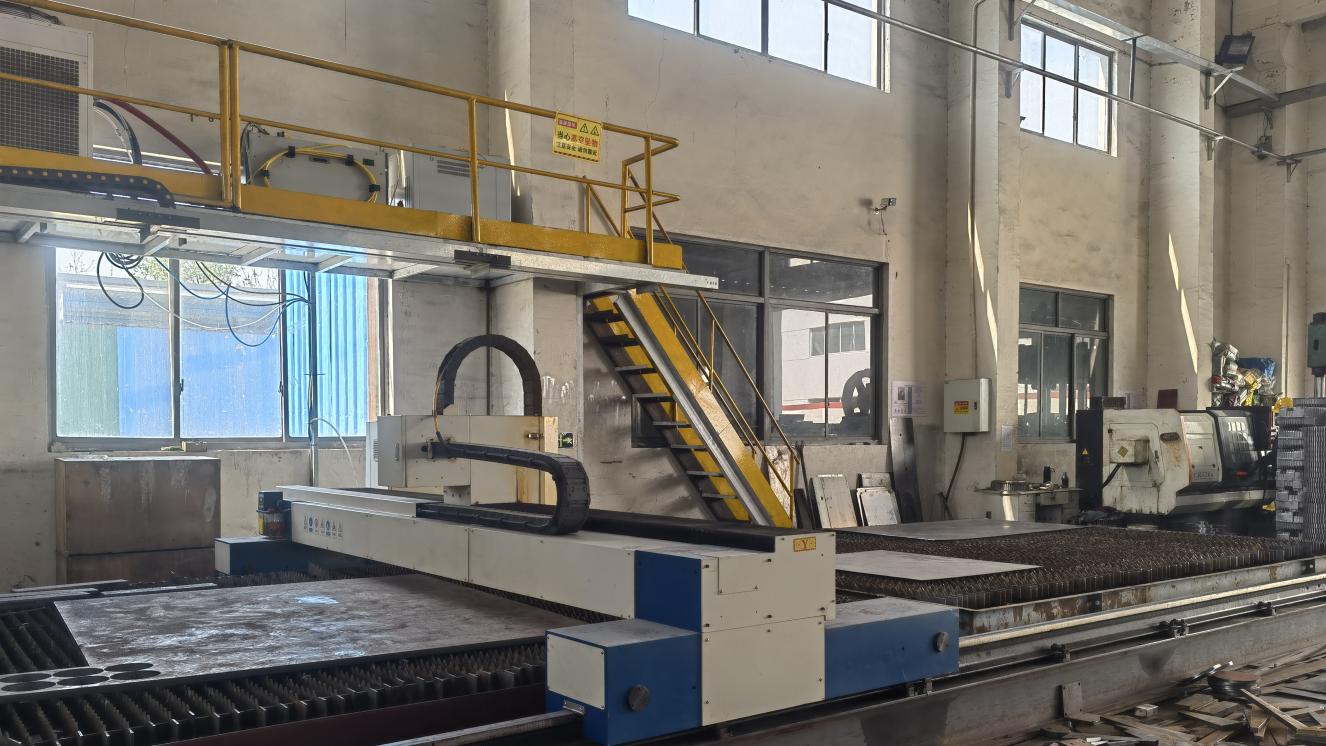
The step-by-step process for integrating laser cleaning hardware into regional manufacturing pipelines.
Our application engineering team analyzes the oxide, mill scale, or paint layer composition. This determines the appropriate laser source option, whether continuous-wave (CW) for fast paint removal or pulsed lasers for sensitive mold tools.
Systems are configured to match local electrical inputs. Optional sub-assemblies like heavy-duty air cooling lines, enclosed chillers, and industrial dust filters are integrated to handle high ambient heat and humidity.
For robotic systems, cleaning path software maps the 3D surface model to optimize cycle times. For handheld systems, we set up ergonomic weight balancing and outline step-by-step safety zoning plans for operators.
We conduct complete field tests to verify the surface cleanliness index without structural damage. Operators receive comprehensive training on beam adjustments, focus tuning, and preventive safety practices.
Answers to common engineering questions regarding beam performance, maintenance intervals, and parameter selection.
No, when calibrated correctly, the ablation threshold of the rust layer is much lower than the melting point of the base metal. The laser pulses remove surface impurities without changing the mechanical properties or hardness of the underlying substrate.
Primary maintenance focuses on keeping the protective optical window clean and checking water levels in the chiller system. Optical lenses should be inspected daily for dust. Using a clean, regulated electrical supply helps prevent high-voltage component faults.
Yes. Our laser heads feature standardized mechanical mounting points and digital input/output ports. This allows a handheld unit to be mounted onto an articulated industrial robot or linear gantry system as processing needs grow.
Operators must wear wavelength-specific laser safety glasses (typically 1064nm protection). The workspace should be enclosed with interlocked safety curtains to block stray reflections from reaching unshielded personnel nearby.
Browse our complete lineup of laser processing machinery configured for demanding manufacturing environments.

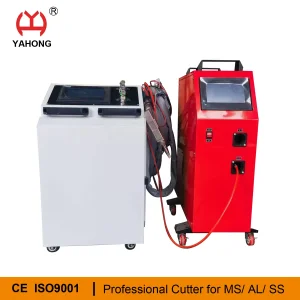
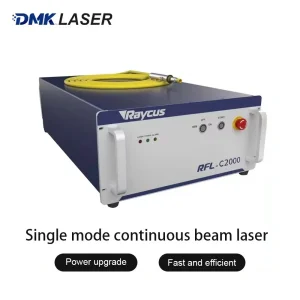
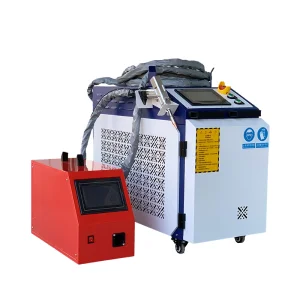
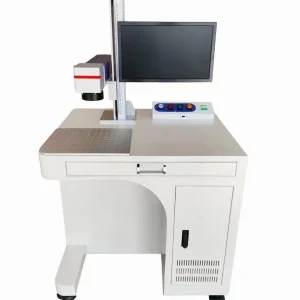
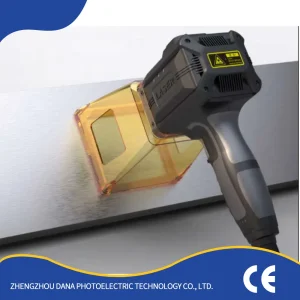
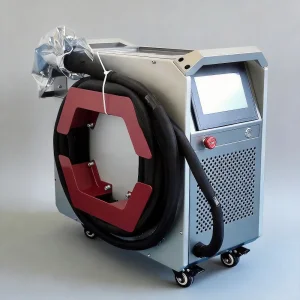
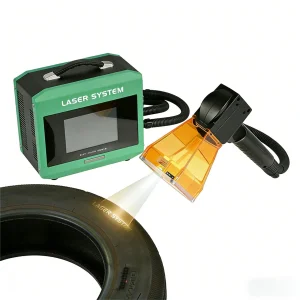
We also build high-capacity custom stations to meet specialized processing needs, such as:
Optimize your factory floor layout, request detailed equipment specs, or arrange localized delivery options.
Send Inquiry Now Mobo Robot