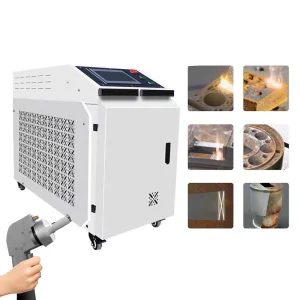
Explore our top-tier precision welding systems, laser cleaning equipment, and intelligent automated devices engineered for global industrial deployments.
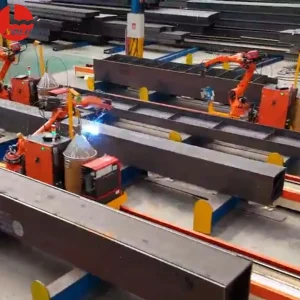
In the contemporary landscape of high-yield industrial manufacturing, the demand for precision, consistency, and traceability has elevated Custom OEM Automated Welding Monitoring Devices from secondary accessories to critical infrastructure. As global heavy industries undergo the shift towards Industry 4.0, zero-defect quality control paradigms are dictating manufacturing lines. Real-time weld diagnostics systems bypass the inefficiencies of traditional post-process Non-Destructive Testing (NDT) such as radiography and ultrasonic inspections, allowing operators and automated feedback controllers to detect abnormalities mid-process.
By leveraging multi-sensor data fusion—combining arc spectroscopy, acoustic emission telemetry, laser profile scan analysis, and high-speed infrared thermography—modern monitoring platforms capture structural variations at the millisecond scale. This rich dataset forms the foundation of modern digital-twin factory frameworks, establishing a baseline of traceability required by strict international standards like ISO 3834 and AWS D1.1.
Across the automotive manufacturing centers of Germany, the maritime shipyards of South Korea, and the infrastructure fabrication hubs of the Asia-Pacific region, automated monitoring integration has experienced exponential growth. Driven by the mass migration to electric vehicles (EVs), where battery-pack aluminum welding demands microscopic accuracy, factories must eliminate porosity, spatter, and penetration errors instantly. Custom OEM integrations allow factories to package specialized diagnostic modules into proprietary robotic cells, minimizing footprint while maximizing reliability and speed.
Founded in 2014, Dalian Mobo Robot Co., Ltd. has established itself as an innovative force in the field of industrial automation, robotic system engineering, and custom process-monitoring integration. Anchored by our core organizational principle, "Integrity in Business, Commitment to Quality," we partner with global industrial enterprises to engineer production systems optimized for stability, high yields, and prolonged operational lifetimes.
Over a decade of field experience has allowed us to deliver tailored systems to over 1,000 corporate clients across diverse sectors, including automotive manufacturing, heavy shipbuilding, large-scale civil infrastructure, and specialized container fabrication. In 2023, Dalian Mobo Robot Co., Ltd. scaled its infrastructure by launching a highly specialized manufacturing hub: Mobo Technology (Dalian) Co., Ltd. This strategic expansion consolidated raw material sourcing, optical and software R&D, structural design, precision machining, and international distribution under a singular vertically integrated network.
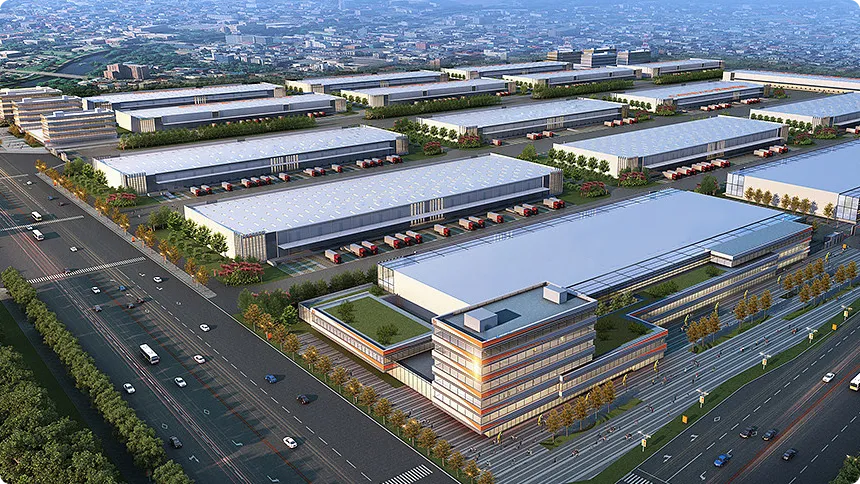
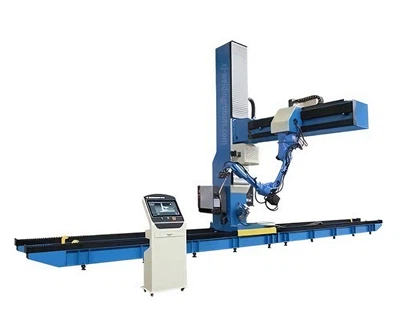
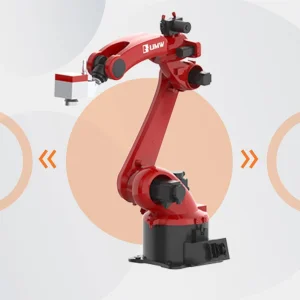
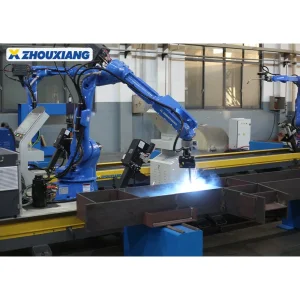
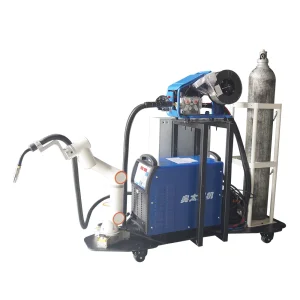
Our production capabilities range from collaborative robotic arms (cobots) to heavy-duty CNC-guided rail systems, and vision-guided laser tracking devices. By maintaining absolute control of the structural, software, and physical layout of our products, our engineering team ensures that every piece of machinery operates with a native understanding of the welding cycle, laying down flawless beads while documenting performance metadata.
Through our dedicated OEM customization facility, we build specialized sub-modules for automated welding cells, tailored specifically to survive the high electrical currents, intense heat, and electromagnetic interference typical of high-amperage TIG, MIG, and sub-arc processes.
Why leading industrial operations partner with Dalian Mobo Robot Co., Ltd. for custom automation and process monitoring systems.
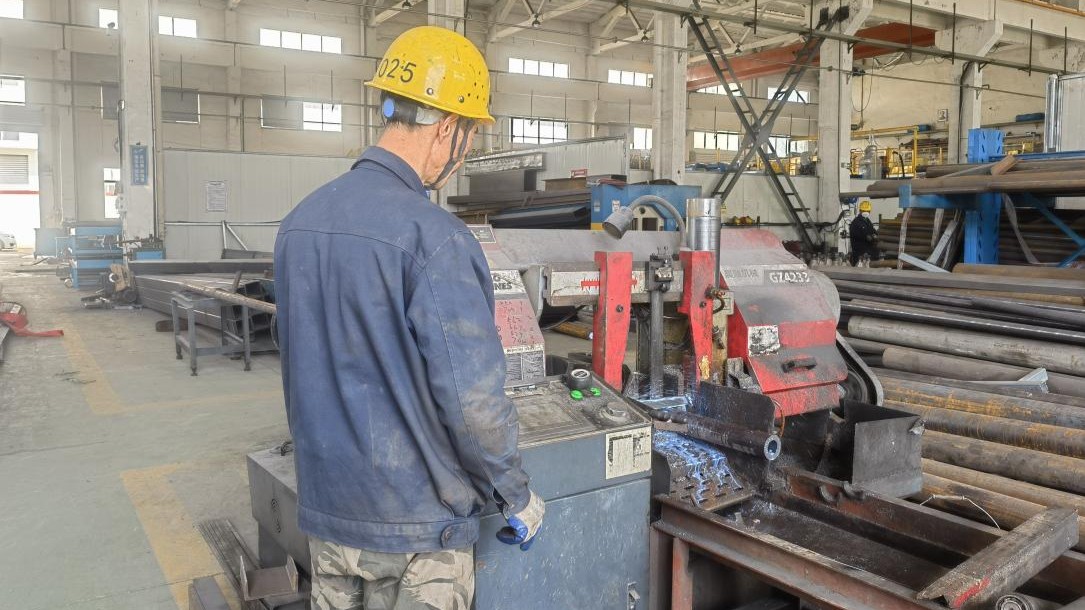
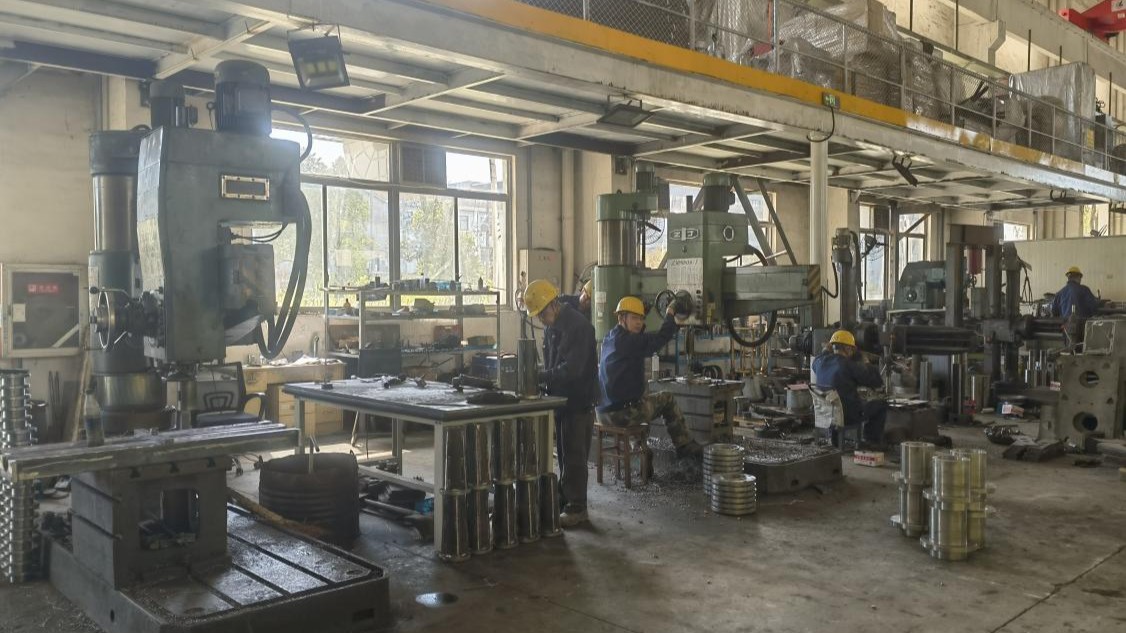
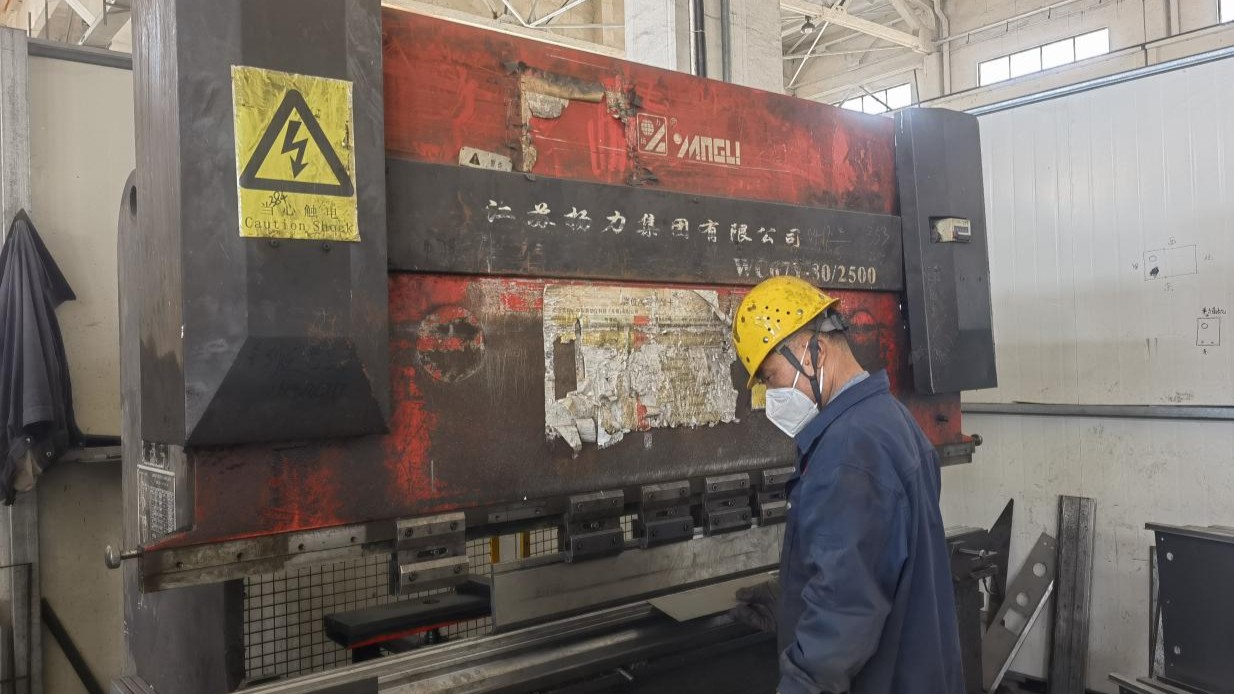
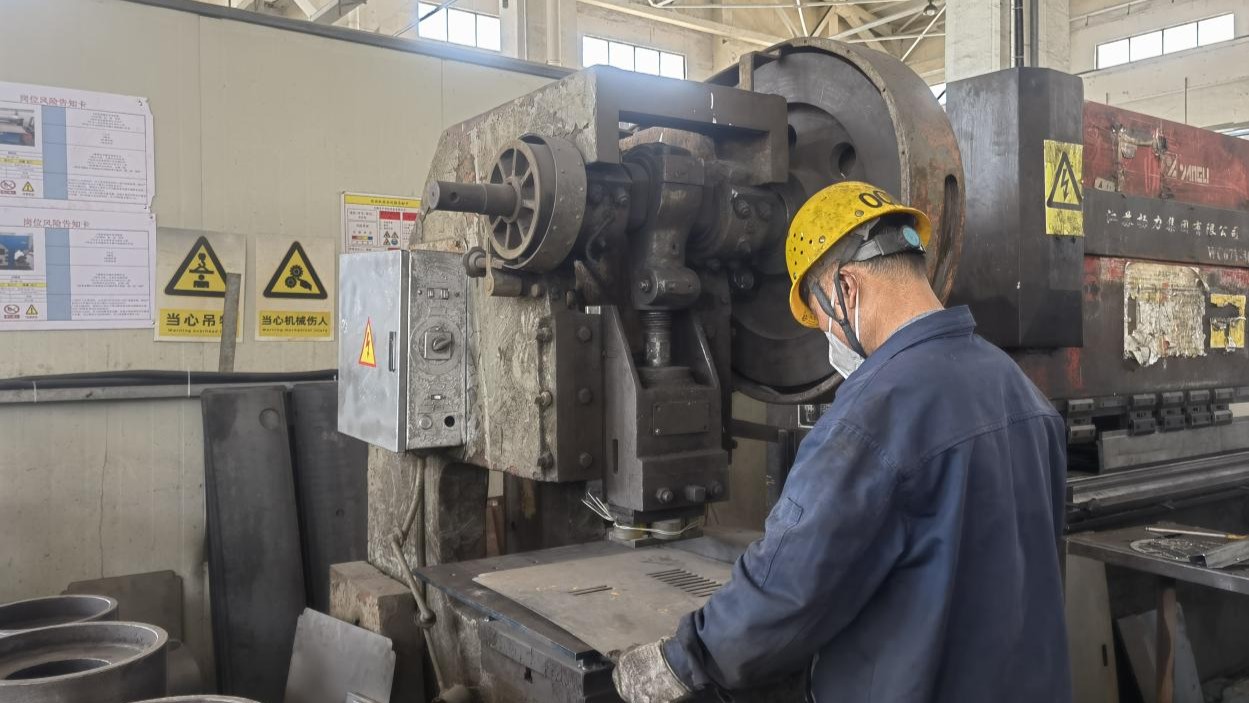
By overseeing every production node in-house—from initial raw steel sourcing to precision CNC machining and calibration—we guarantee strict adherence to tolerances, rapid product turnaround, and structural durability.
Our engineering centers develop real-time seam tracking software, high-speed visual analytics, and closed-loop control algorithms, ensuring that our systems stay ahead of emerging industrial standards.
No two weld environments are identical. We provide bespoke mechanical and electrical engineering setups, adapting sensor mounts, software dashboards, and communications protocols to fit your legacy PLC systems.
Supported by localized field centers and a responsive engineering team, we provide deployment services, remote calibration, training, and swift replacement component delivery worldwide.
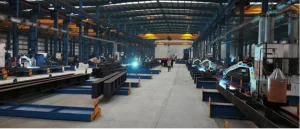
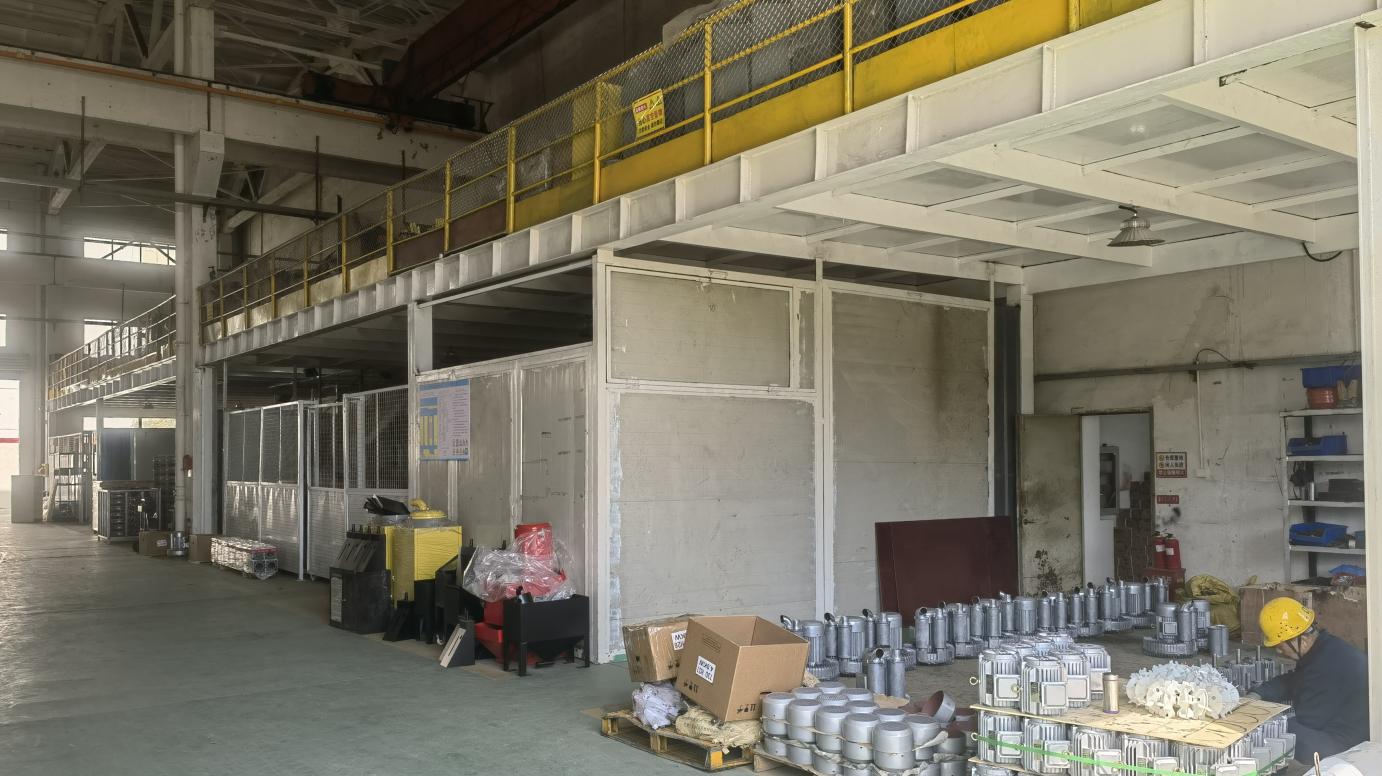
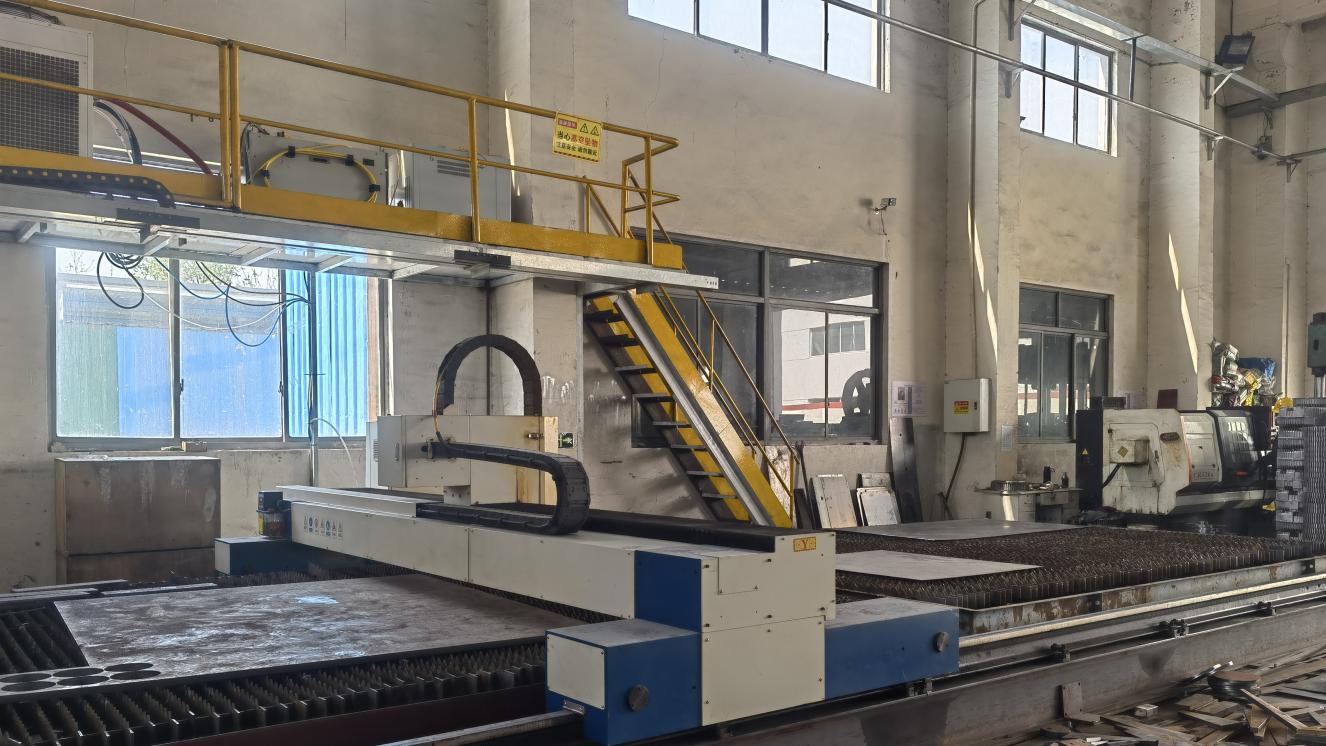
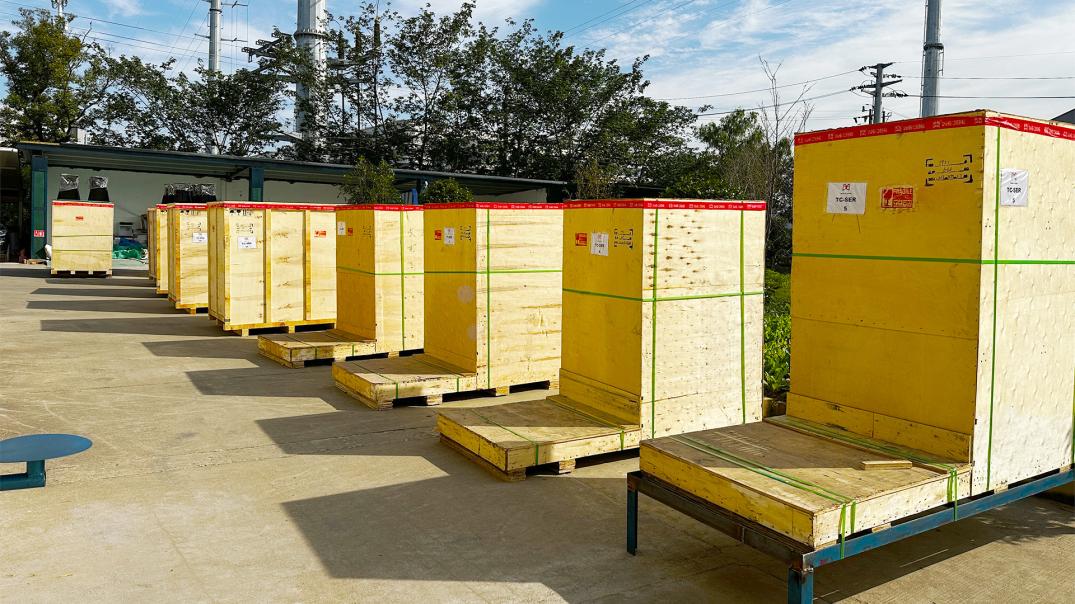
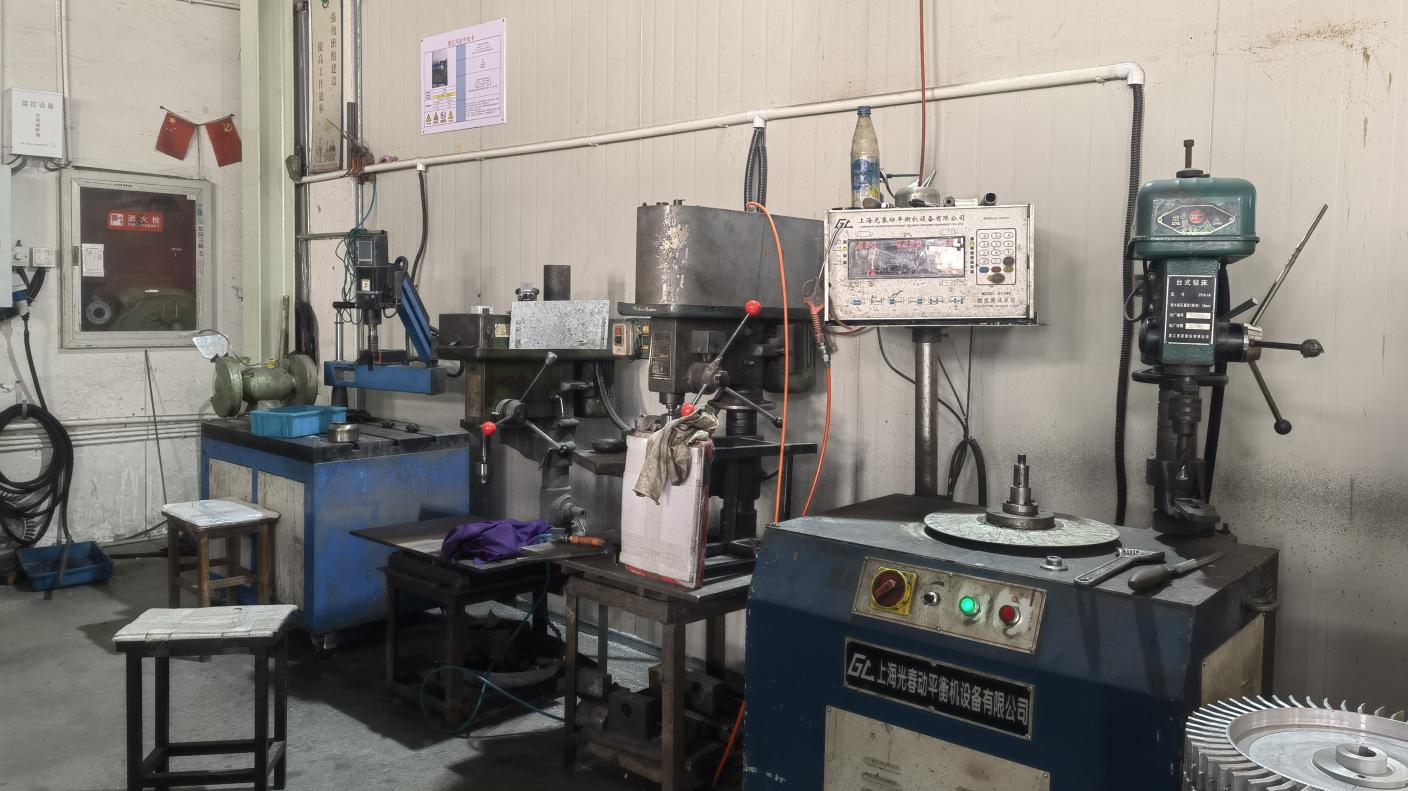
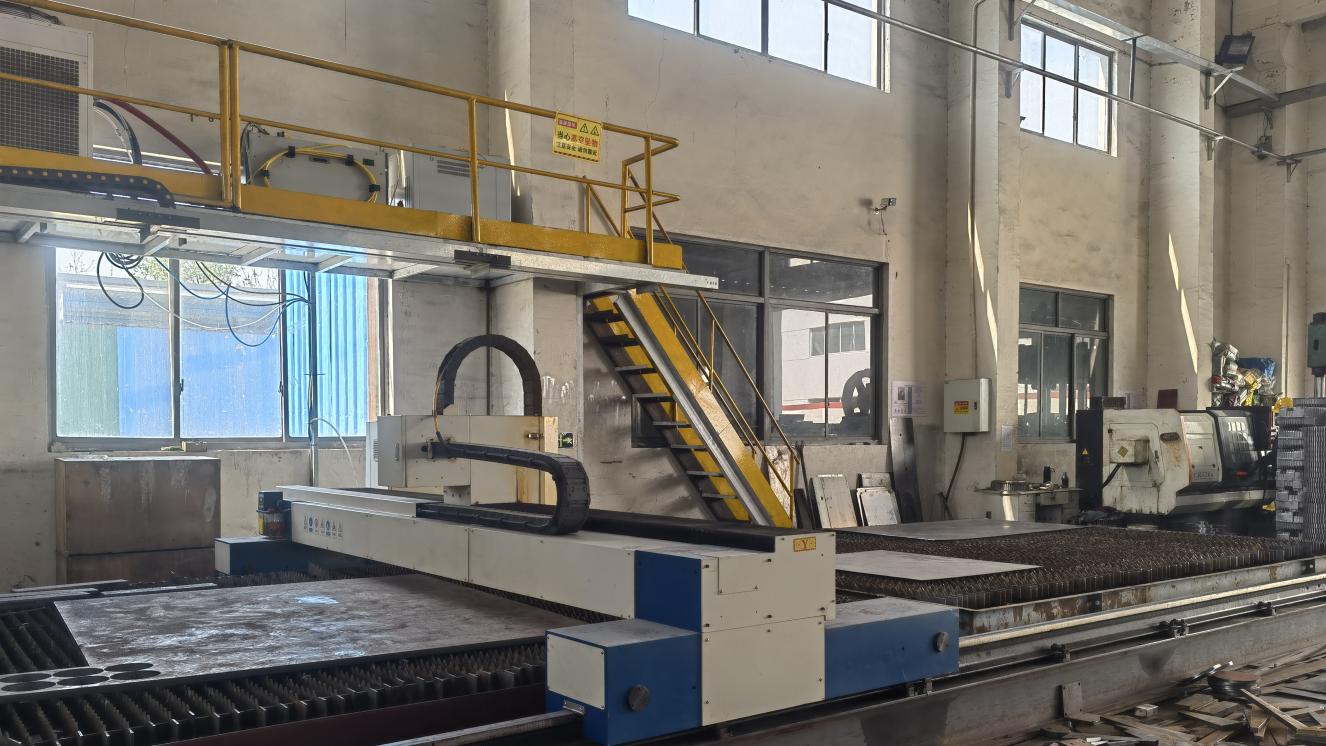
From raw alloy input to final product calibration, our production line demonstrates rigorous quality controls at every stage of the manufacturing cycle.
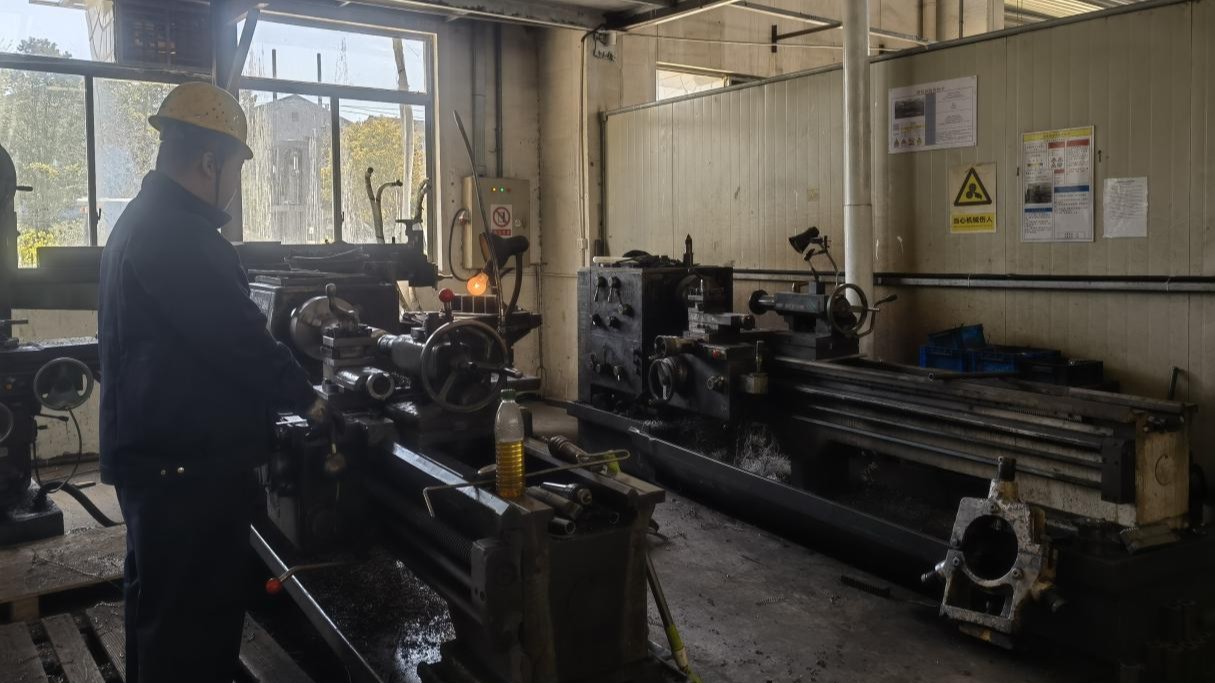
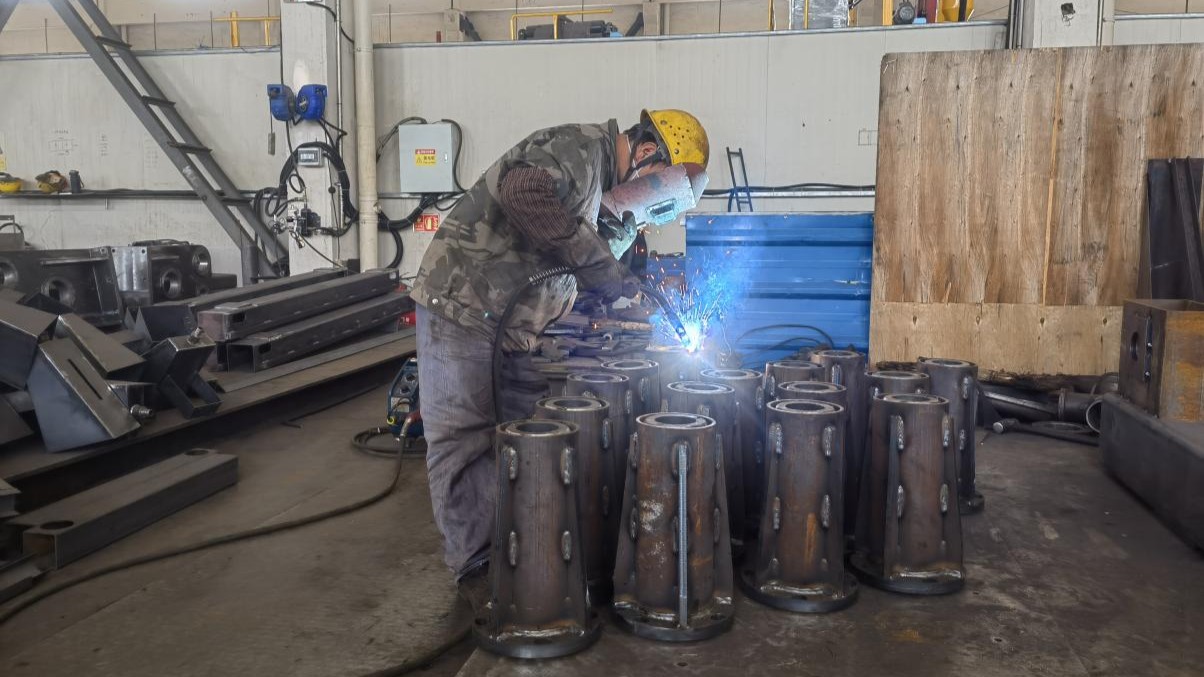
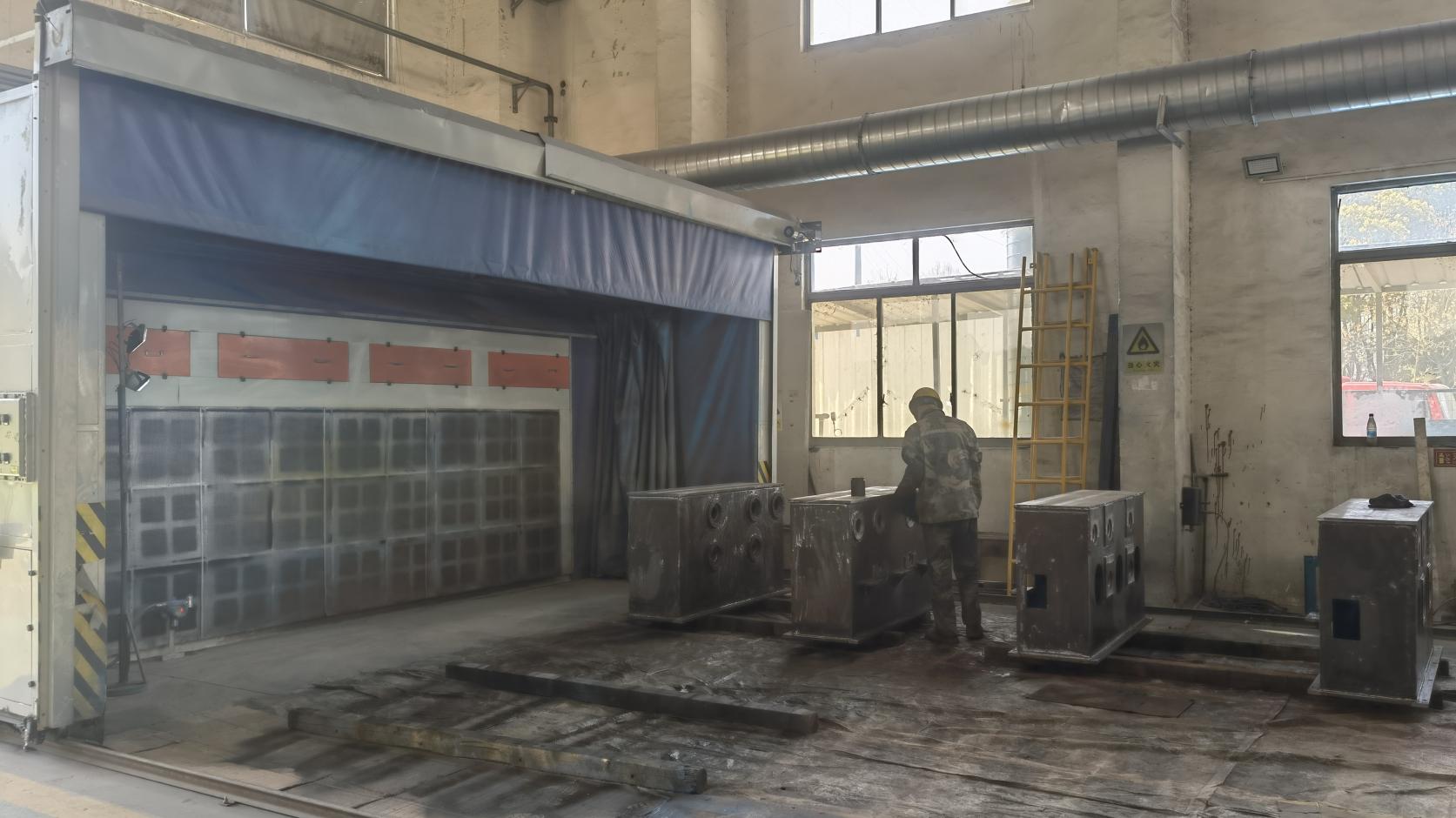
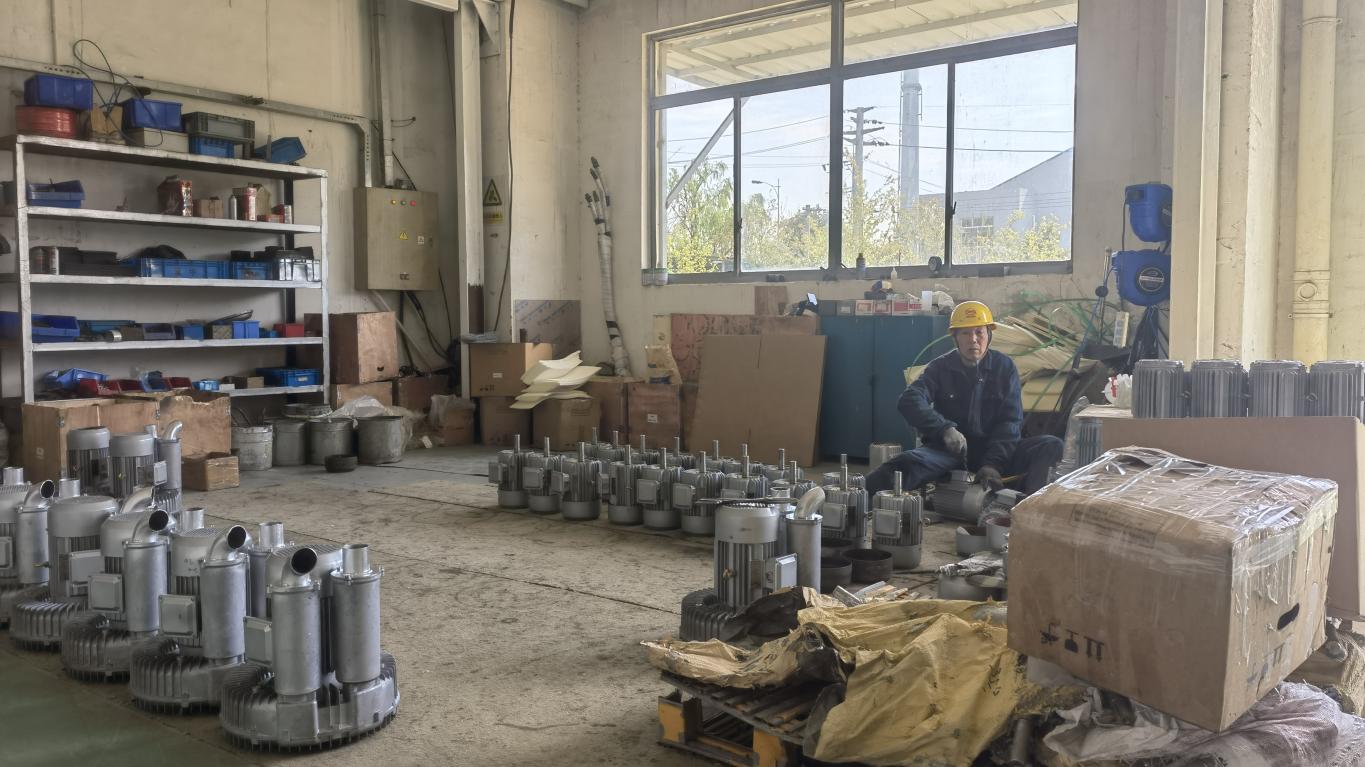
In-process automated weld monitoring systems are evolving from simple pass/fail threshold detectors into adaptive intelligent control loops. The integration of high-resolution CMOS cameras, narrow-band optical filters, and optical seam tracking allows modern systems to isolate the melt pool from the intense glare of the electric arc. The ultimate design goal is a closed-loop system that adjusting welding voltage, wire feed speed, and travel velocity in real time to correct defects before they form.
Our technological development focuses on three primary vectors: Edge AI inference, Multispectral Sensor Fusion, and Distributed Network Telemetry. By shifting data analytics from centralized factory servers to edge processing units located directly on the robotic wrist, we lower feedback latency, maintaining process speeds even in complex geometric patterns.
Combining visual CCD feedback with electromagnetic arc monitors. This integration provides a unified monitoring interface that flags deviation in current, voltage, and joint alignment.
Integrating deep learning models directly onto edge controller units to monitor thermal pool shapes and dynamically adjust feed speeds to prevent burn-through or lack of fusion.
Deploying centralized cloud dashboards for globally distributed manufacturing units, offering fleet-wide statistics, monitoring weld tip erosion, and predicting consumable failure.
Industrial applications demand distinct, specialized parameters for welding operations. Our custom OEM designs are engineered to meet the unique challenges of specific sectors, providing maximum performance and field reliability.
The manufacturing of modern EV battery trays and structural frames involves joining thin-gauge aluminum sheets. This requires precise heat control to minimize warping and burn-through. Our custom monitoring units utilize infrared sensing to check heat generation across every millimeter of the weld line, verifying structural and hermetic integrity to prevent cell damage.
Shipbuilding involves thick structural plates, multi-pass welds, and high duty-cycle MIG/TIG processes. Monitoring systems deployed here must handle intense heat and dust. Our heavy-duty systems use specialized cooling jackets and protective lenses to ensure stable seam tracking and pore detection even during continuous multi-hour runs.
For beams, column joints, and rail systems, weld consistency determines overall structural load limits. Using automated weld tracking and ultrasound inspection profiles, we provide structural fabricators with verifiable documentation, simplifying regulatory compliance processes.
Get professional insights into how our automated welding monitoring systems integrate into modern factories, lower scrap rates, and maintain quality standards.
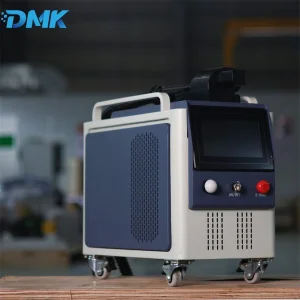
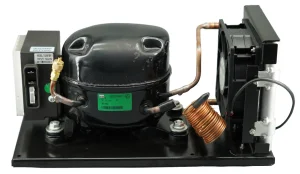
Complete your automated production lines with our high-capacity clean-tech systems, industrial robots, and dedicated cooling solutions.
 Mobo Robot