Mobo Robot

1. The Global Landscape & Industrial Significance of Robotic Thermal Spray Systems
In modern manufacturing, surface degradation due to wear, high temperatures, cavitation, and aggressive corrosion costs global industries billions of dollars annually. To combat these harsh conditions, thermal spraying has emerged as a cornerstone surface modification technology. Historically a manual process, thermal spraying has transitioned rapidly into the domain of high-precision robotics. By integrating multi-axis articulated robots, optical sensors, and closed-loop control algorithms, Robotic Thermal Spray Systems offer unprecedented uniformity, repeatability, and deposition efficiency.
Across key economic sectors—including aerospace, power generation, automotive, and maritime engineering—robotic systems spray high-performance materials such as tungsten carbides (WC-Co), chromium carbides, ceramic thermal barriers (YSZ), and superalloys. The global demand for these systems is driven by the urgent need to extend component lifecycles, minimize downtime, and reduce raw material costs. Today, automated thermal spray solutions are not merely a manufacturing preference; they are a critical compliance and productivity standard for high-wear operations worldwide.
2. About Dalian Mobo Robot Co., Ltd. & Our Expansion Journey
Founded in 2014, Dalian Mobo Robot Co., Ltd. is committed to innovation and excellence in the field of industrial automation. Guided by our core values of "Integrity in Business, Commitment to Quality," we strive to build long-term partnerships based on trust and mutual success. Our mission is to lead in the welding, cutting, and advanced thermal spraying automation sectors by providing superior products and services that meet the evolving needs of industries worldwide.
Since our establishment, Dalian Mobo Robot Co., Ltd. has been at the forefront of the robotics and automation industry, specializing in the supply, installation, and after-sales support of advanced welding, cutting, and robotic coating equipment, accessories, consumables, and specialty materials. With over a decade of hands-on engineering experience, we have earned the trust of more than 1,000 clients across various industries, including manufacturing, automotive, shipbuilding, and infrastructure construction.
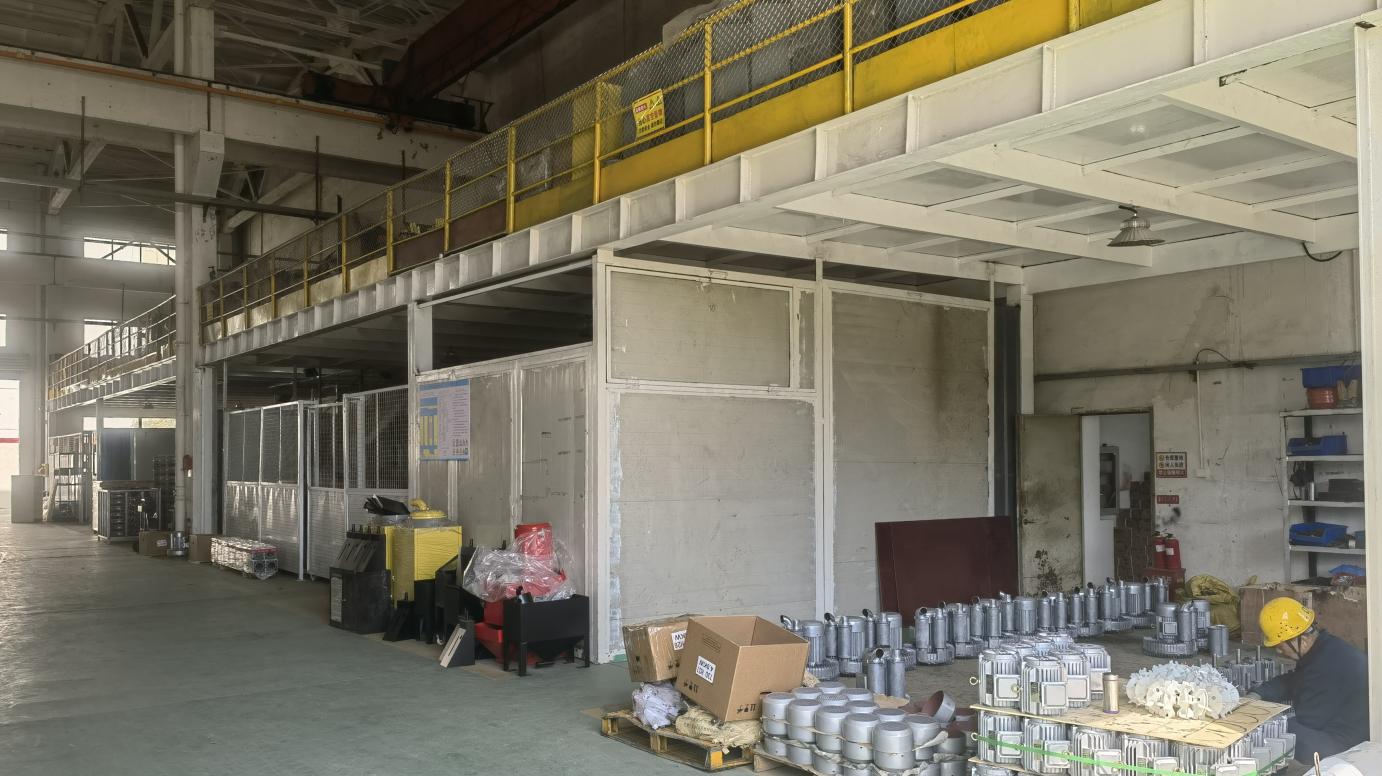
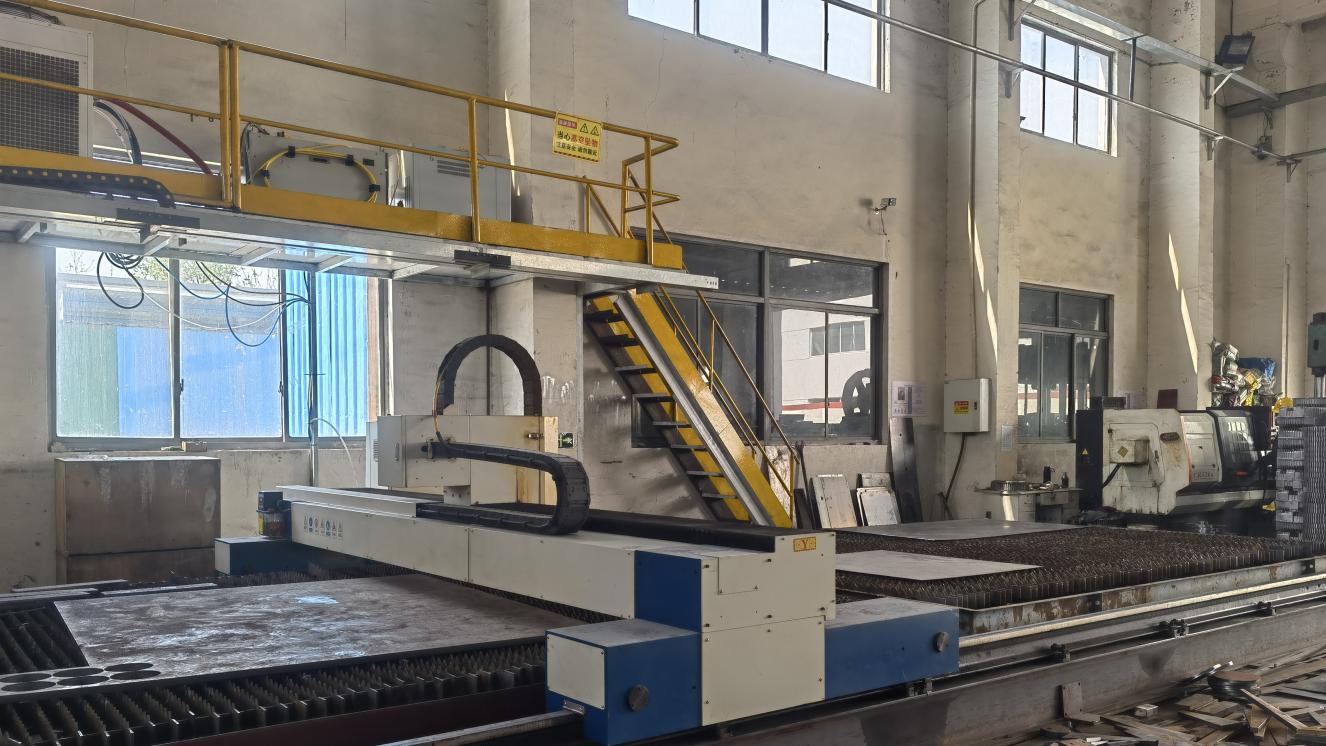
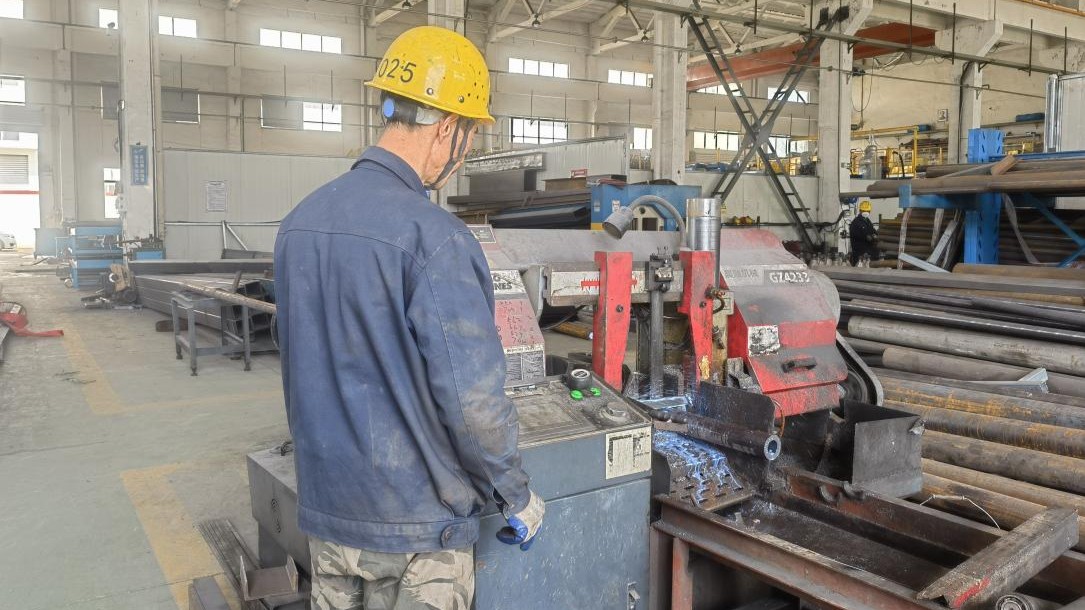
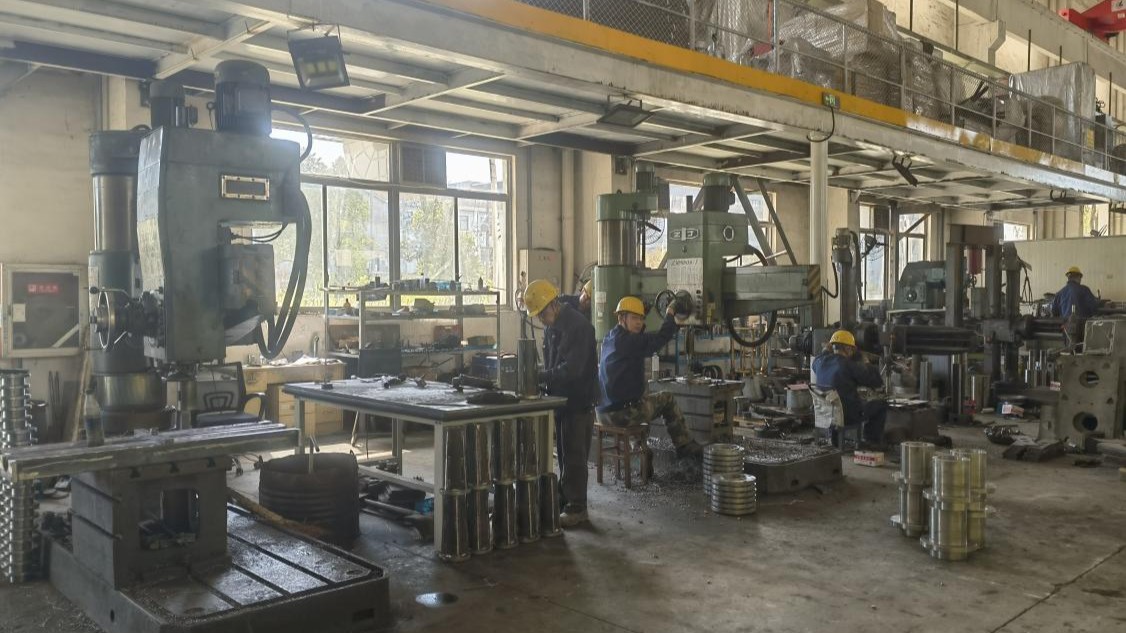
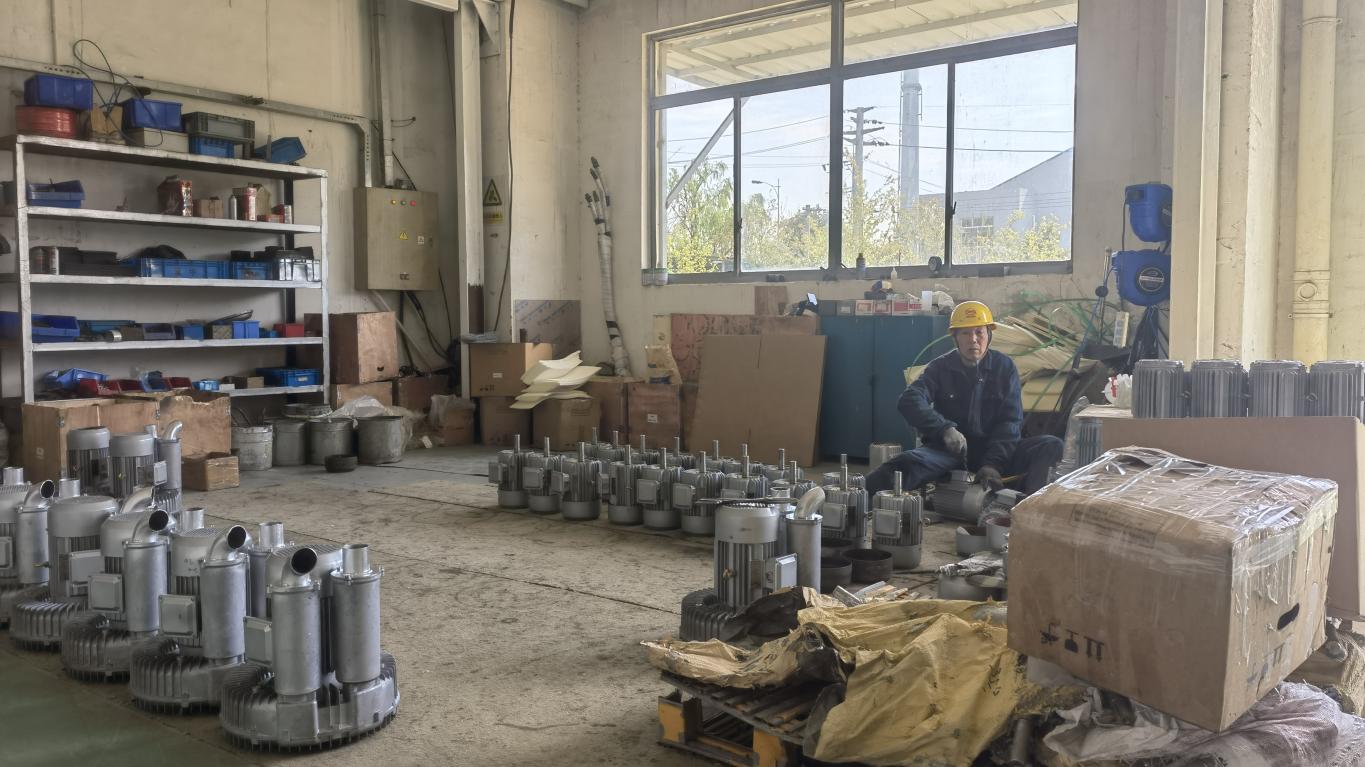
In 2023, we expanded our capabilities by establishing a fully integrated manufacturing base—Mobo Technology (Dalian) Co., Ltd.—allowing us to offer an end-to-end service that includes raw material sourcing, R&D design, precision manufacturing, and global sales. Our advanced production line produces cutting-edge automated systems, including robotic arc welders, AI-driven welding robots, laser-based cleaning systems, and highly efficient surface-treatment configurations.

"Our focus is not just on selling equipment but on creating comprehensive, customized solutions that add value and drive long-term success for our clients. From design to implementation, our expert team ensures that each system is tailored to the specific needs of the customer, with the highest standards of quality and reliability."
3. Core Competencies & Vertical Integration Strengths
As a premier China wholesale robotic thermal spray systems factory and exporter, we leverage our end-to-end manufacturing footprint to assure exceptional quality control and price efficiency.
Vertically Integrated Production
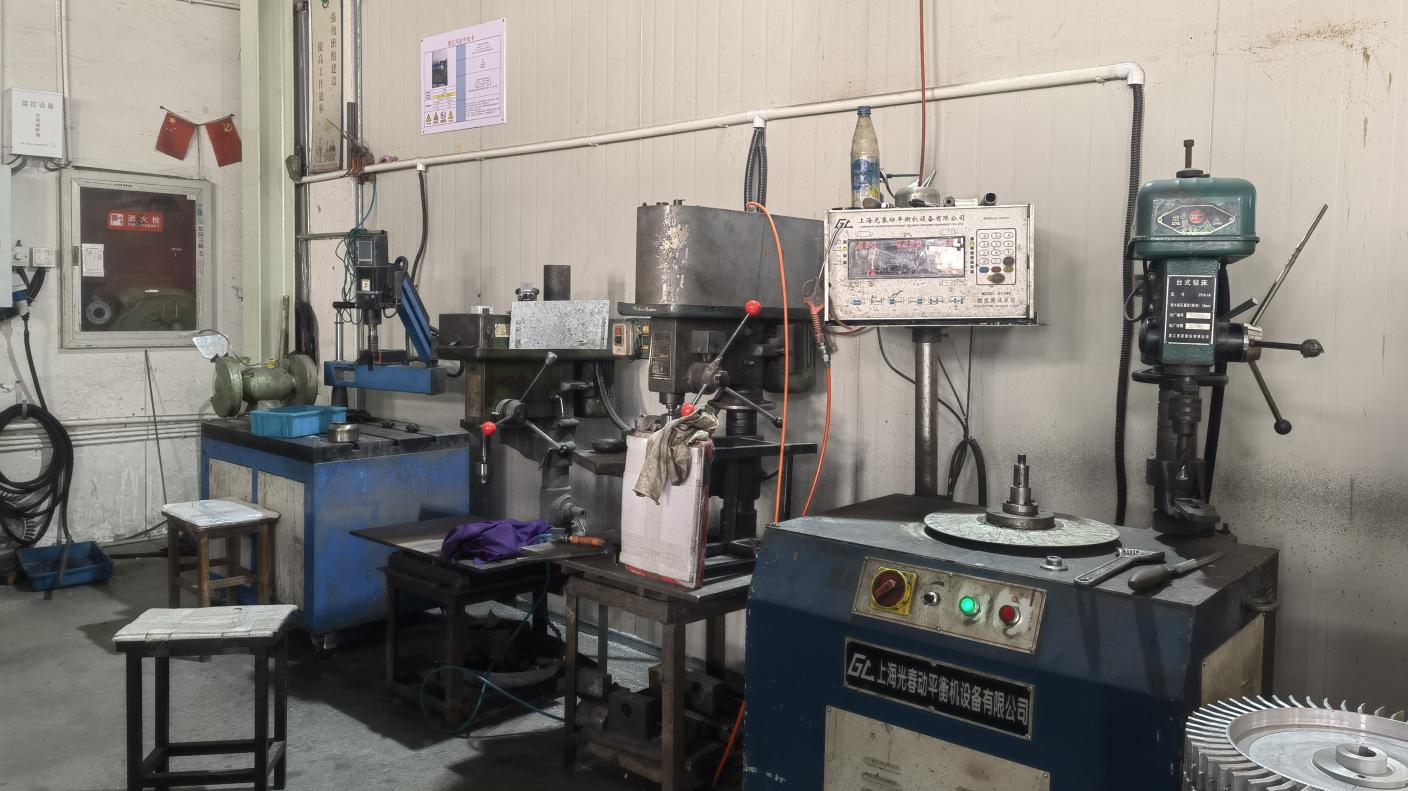
By controlling the entire process from raw material sourcing and mechanical design to software compilation and final testing, we maintain complete control over the engineering tolerances and production timelines of our systems.
Technology-Driven Innovation
Our engineering department focuses on precision pathing, real-time sensor loops, and advanced thermal management to ensure that your coatings are deposited with consistent density and optimal metallurgical bonding.
Tailored Macro-Industrial Solutions
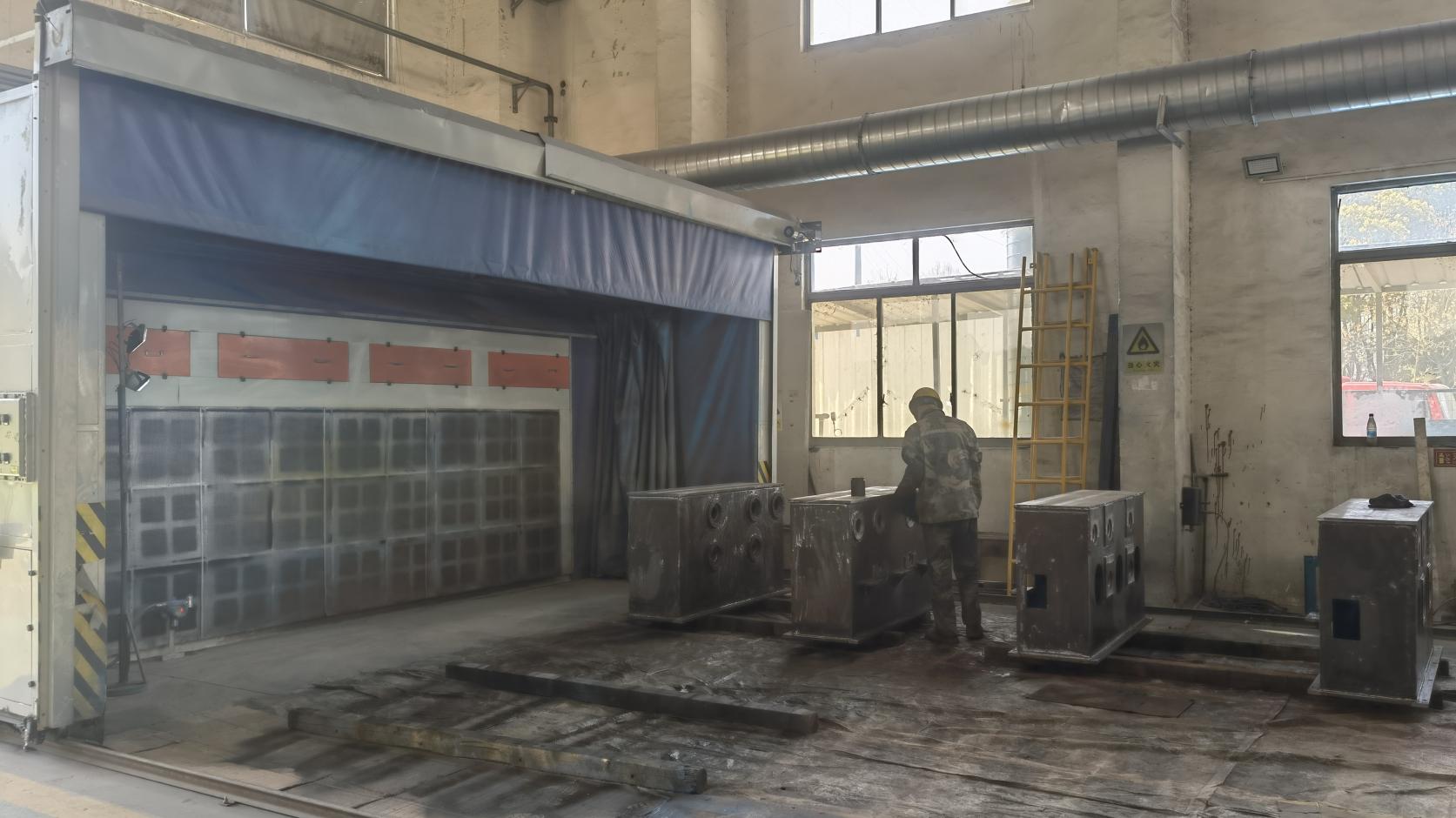
No two industrial operations are identical. We customize our multi-axis robotic gantries, acoustic spray booths, powder feed units, and exhaust filtration blocks to match your plant's workspace and processing targets.
Global Reach, Localized Technical Support
With an export footprint spanning major industrial zones in the Americas, Europe, and the Asia-Pacific region, we ensure responsive field service, spare parts availability, and remote diagnostic intervention.
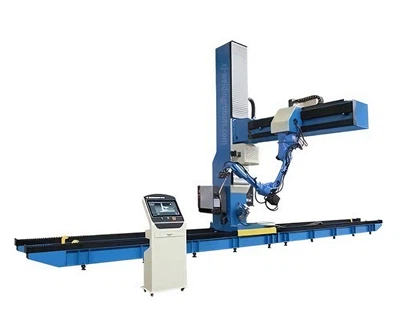
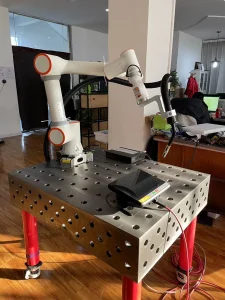
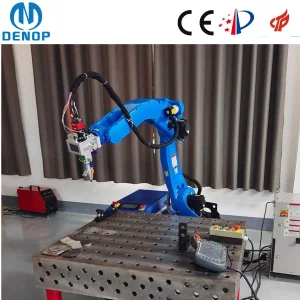
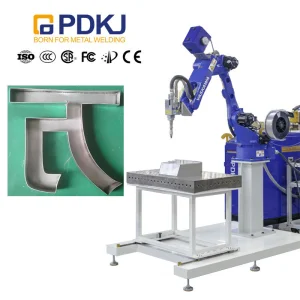
Our signature 9-axis Track-type Teaching-free Arc Welding & Coating Robot System
4. Technology Roadmap: The Evolution of Thermal Spraying
To understand the immense advantages of robotic thermal spraying, it is essential to map the primary technological methodologies used in the industry today. Depending on the substrate and functional requirements of the coating, Dalian Mobo Robot integrates different energy sources and feedstocks:
- High-Velocity Oxy-Fuel (HVOF): Utilizes oxygen and fuel gas mixture combustion at supersonic speeds. HVOF coatings feature exceptionally high density, excellent bond strength (often exceeding 70 MPa), and low oxide content, making it the industry standard for carbide applications.
- Atmospheric Plasma Spraying (APS): Employs an electric arc to ionize primary and secondary gases (such as argon, hydrogen, or helium) into a high-temperature plasma jet. Because plasma temperatures can exceed 10,000K, APS can readily melt and deposit advanced ceramic coatings like yttria-stabilized zirconia (YSZ) for thermal barrier protections.
- Twin-Wire Arc Spraying (TWAS): Introduces two electrically conductive wires, bringing them together to generate an arc. The molten tips are then atomized and propelled onto the component via compressed air or nitrogen. This technology is highly cost-effective for large-scale anti-corrosive coating applications on structural steels.
- Flame Spraying (Powder or Wire): Uses a combustion flame to melt the feedstock material. While operating at lower velocities than HVOF or plasma systems, flame spraying remains an agile and economical choice for local repairs and cosmetic coatings.
By mounting these spray torches onto high-accuracy articulated robotic arms (typically 6-axis configurations paired with external 2-axis positioners to achieve 8 or 9-axis synchronized movement), we eliminate human error. The robots continuously maintain the optimized spraying distance and torch angle relative to complex geometries, suppressing overheating and localized defects.
5. Deep Industry Solutions & Localized Application Scenarios
As global supply chains demand higher efficiency and component endurance, the integration of automated spray systems has branched into highly specialized local applications:
Aerospace and Defense (Turbine Blades & Combustion Chambers)
Modern jet engines operate at temperatures exceeding the melting points of the base superalloys. Our robotic plasma spray cells apply precise multi-layered Thermal Barrier Coatings (TBCs). This involves a metallic bond coat followed by a ceramic topcoat, requiring precise control over the porosity to allow for thermal expansion during takeoff and landing cycles.
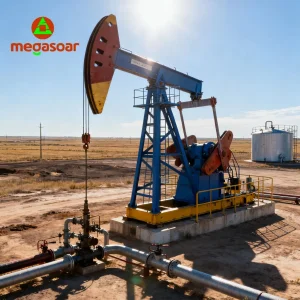
Oil & Gas Sector (Drill Bits, Gate Valves, and Mud Rotors)
Downhole tools endure highly abrasive geological layers and corrosive chemical environments. Utilizing our automated HVOF spray systems, factories apply thick layers of tungsten carbide coatings. Robotic application ensures that the complex contours of the drill bits and internal surfaces of gate valves receive a uniform, impact-resistant shield.
Heavy Infrastructure & Wind Energy (Structural Corrosion Mitigation)
Wind turbine towers and maritime structures are subject to salt spray and continuous atmospheric humidity. Twin-Wire Arc Spraying robots operate on linear tracks to apply zinc-aluminum (Zn-Al) coatings. Automation guarantees that even large cylindrical surfaces are coated systematically, preventing premature red rust formation.