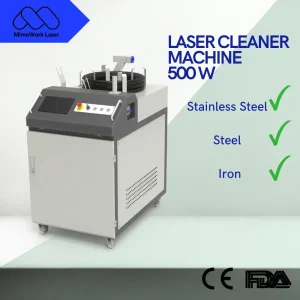
In Brisbane's rapidly evolving industrial landscape, metal surface treatment and rust removal are undergoing a massive technological shift. Traditional methods like sandblasting and chemical bathing are being phased out due to strict Queensland workplace health and safety (WHS) regulations and environmental impact concerns. This has positioned industrial fiber laser cleaning—also known as laser ablation or laser descaling—as the gold standard for surface preparation.
However, when local manufacturing plants, marine dry docks, and mining machinery suppliers look to source this equipment, they face a primary operational decision: Handheld Laser Cleaners versus Automated Robotic Laser Descaling Systems. This comparison guide evaluates the technological differences, application fit, and cost-benefit analysis for operations based in Brisbane and wider Australia.
"Laser descaling works through high-frequency pulses of light directed onto a metal surface. The rust, paint, oxides, or contaminants absorb this high-energy light, instantly vaporizing or spalling away without affecting the underlying carbon steel, stainless steel, or aluminum substrate."
Whether using a handheld gun or an articulated robot arm, the physics of cleaning remain identical: fiber laser sources emit light at a near-infrared wavelength (usually around 1064nm). The crucial differences lie in energy density consistency, duty cycle limitations, and safety boundaries.
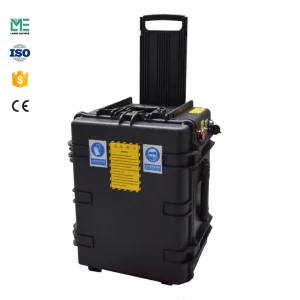
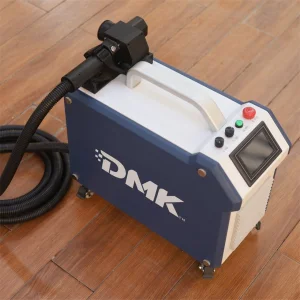
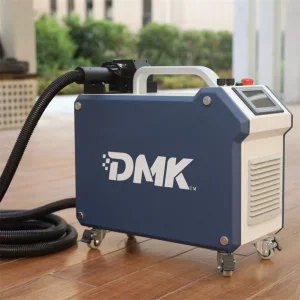
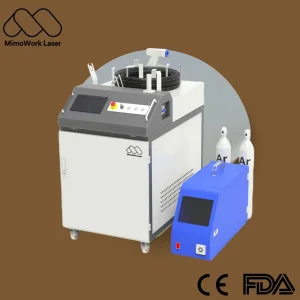
Brisbane manufacturing centers that deploy handheld laser guns must account for labor constraints. A standard 1000W-2000W handheld laser head weighs between 1.2kg and 2.5kg. While this seems light, maintaining a constant scanning speed, focal length, and beam angle over an 8-hour shift is physically exhausting for technicians. This fatigue directly results in uneven surface cleaning, slower cycle times, and an increased risk of focal plane drift (which reduces cleaning efficiency).
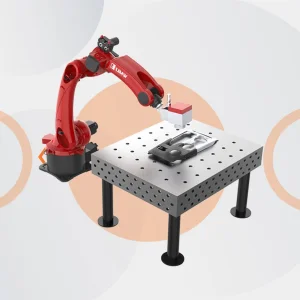
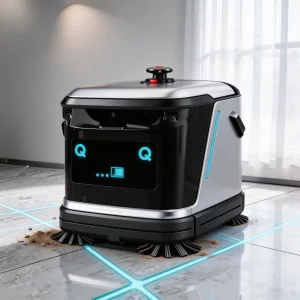
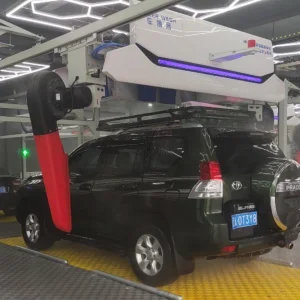
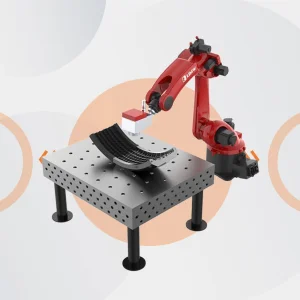
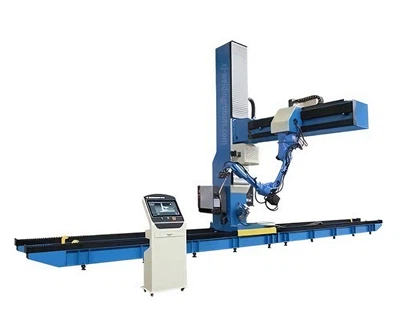
Conversely, robotic laser descaling relies on articulated industrial arms (ranging from 6-axis configurations to advanced 9-axis track-type teaching-free robots). The robot maintains the exact focal distance down to fractions of a millimeter. This ensures a uniform surface finish (measured by consistent Ra surface roughness metrics), zero fatigue, and 100% continuous run-time capabilities.
| Feature/Parameter | Handheld Laser Descaling | Robotic Laser Descaling |
|---|---|---|
| Precision & Uniformity | Variable (Operator dependent) | High (Decentralized micron-level control) |
| Operation Duty Cycle | Intermittent (Requires rest cycles) | 24/7 Continuous Operation |
| Safety Profile | High risk (Direct light scatter risks) | Enclosed cell safety (Class 1 Rated Enclosure) |
| Adaptability to Geometry | Superior for one-off manual jobs | Requires CAD mapping or AI line tracking |
| Optimal Applications | On-site spot repair, structural welds | High-volume structural steel, batch processing |
The transition toward laser-based surface treatment is not localized; it is a key piece of the global green industrial revolution. In Brisbane, where heavy transport links (Port of Brisbane), bulk commodity export, and structural construction require constant rust mitigation, local organizations are adjusting to the post-chemical processing age. The marine refit terminals along the Brisbane River face highly stringent environmental controls. Traditional sandblasting releases enormous clouds of particulates containing heavy metals, which can drift and pollute waterways. Water jetting produces contaminated run-off water that requires massive containment facilities.
Globally, manufacturers are integrating laser cleaners directly into production lines. By combining fiber laser heads with multi-axis articulated robots, companies can descale raw metals at high speeds right before welding or painting, maximizing bonding and coat lifespans. Industry leaders in the automotive, rail, and marine sectors are replacing traditional pre-welding chemical degreasers and mechanical grinders with fast, precise laser cleaning pulses.
Several high-value use cases dominate Brisbane’s procurement pipeline for laser cleaning technology:
A key development trend is the integration of machine vision and automated software into laser cleaning. Historically, robotic arms required manual code teaching to follow complex 3D profiles. The newest systems feature "teaching-free" software. By scanning a metal piece using LiDAR or blue-light structured scanners, the control system dynamically generates the laser cleaning path. This allows low-batch, high-variety manufacturing plants in Brisbane to enjoy the benefits of robotic automation without the overhead of expert robotics programmers.
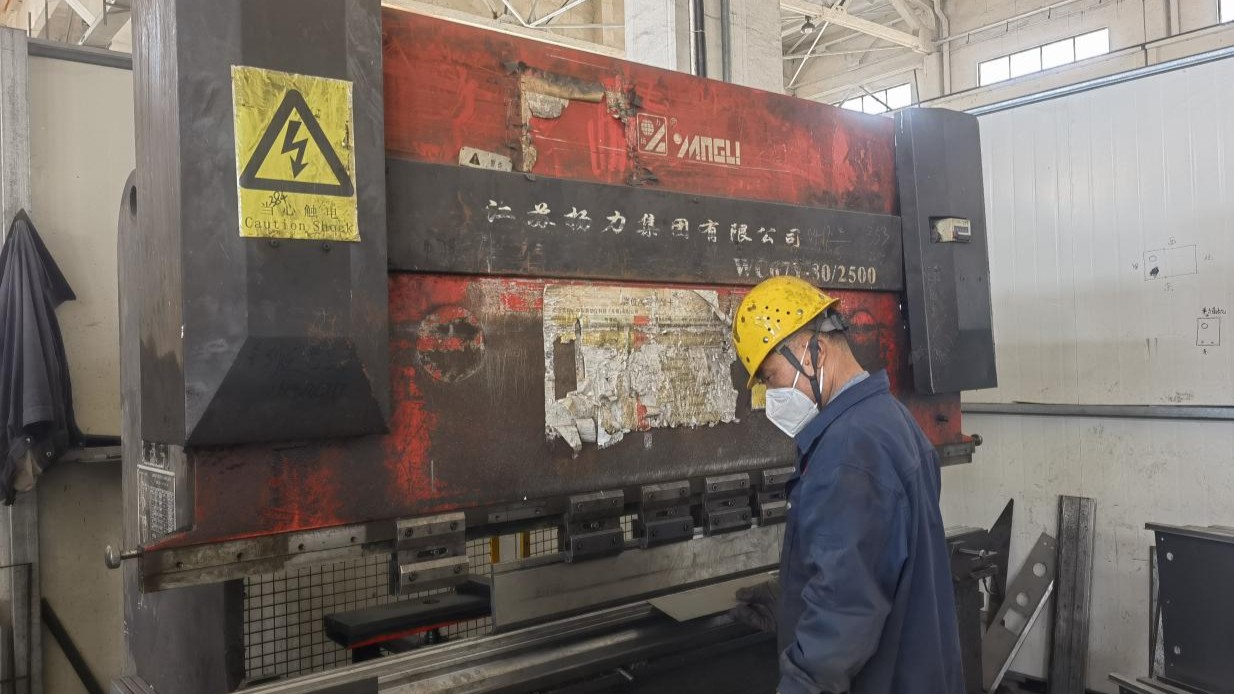
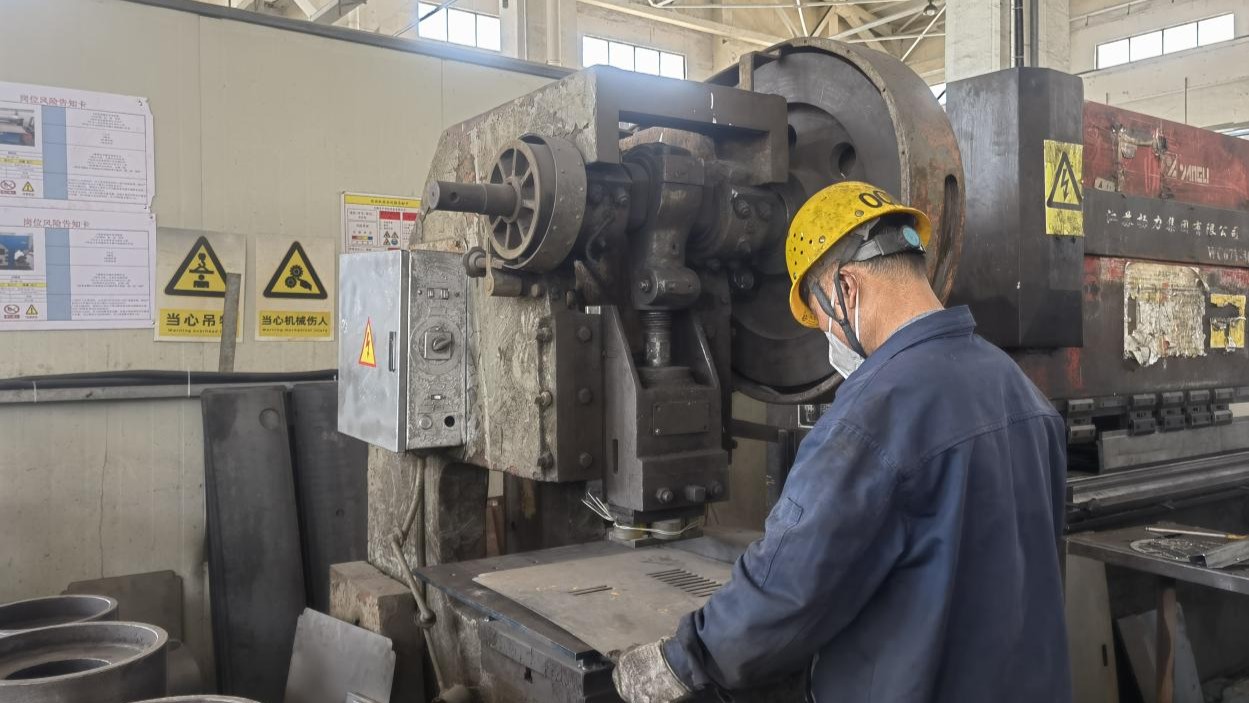
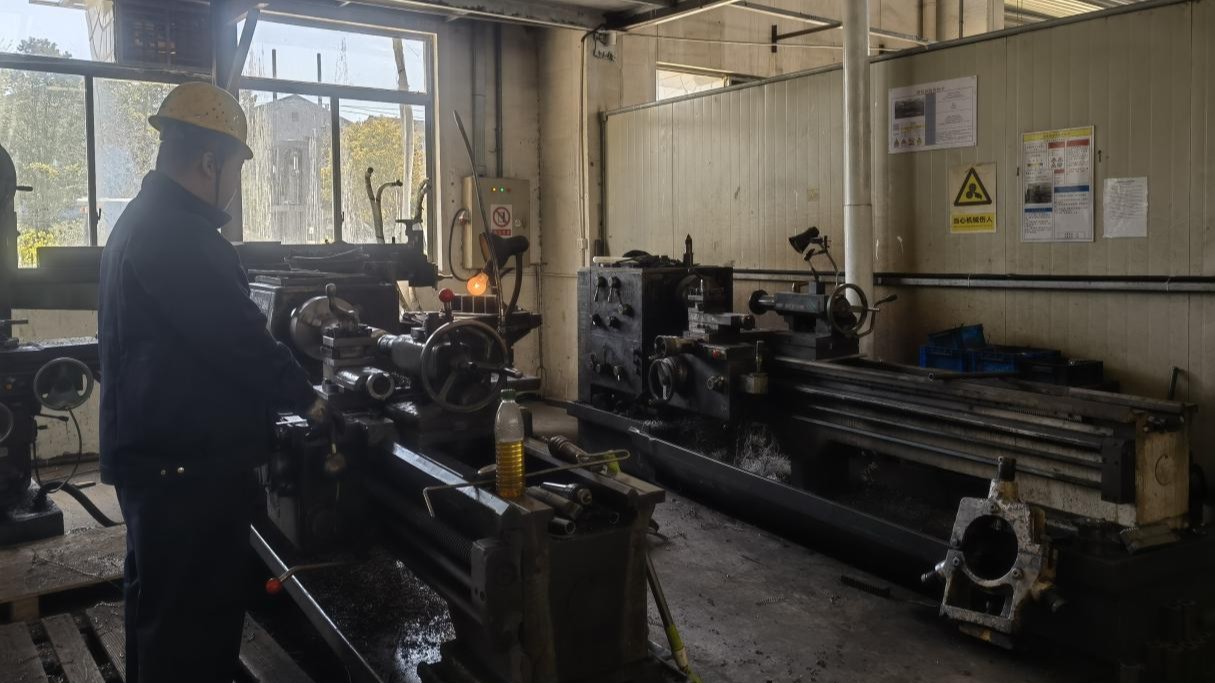
Founded in 2014, Dalian Mobo Robot Co., Ltd. is committed to innovation and excellence in the field of industrial automation. Guided by our core values of "Integrity in Business, Commitment to Quality," we strive to build long-term partnerships based on trust and mutual success. Our mission is to lead in the welding and cutting automation sector by providing superior products and services that meet the evolving needs of industries worldwide.
Since our establishment, Dalian Mobo Robot Co., Ltd. has been at the forefront of the robotics and automation industry, specializing in the supply, installation, and after-sales support of advanced welding and cutting equipment, robotic systems, accessories, consumables, and specialty welding materials. With over a decade of experience, we have earned the trust of more than 1,000 clients across various industries, including manufacturing, automotive, shipbuilding, and construction.
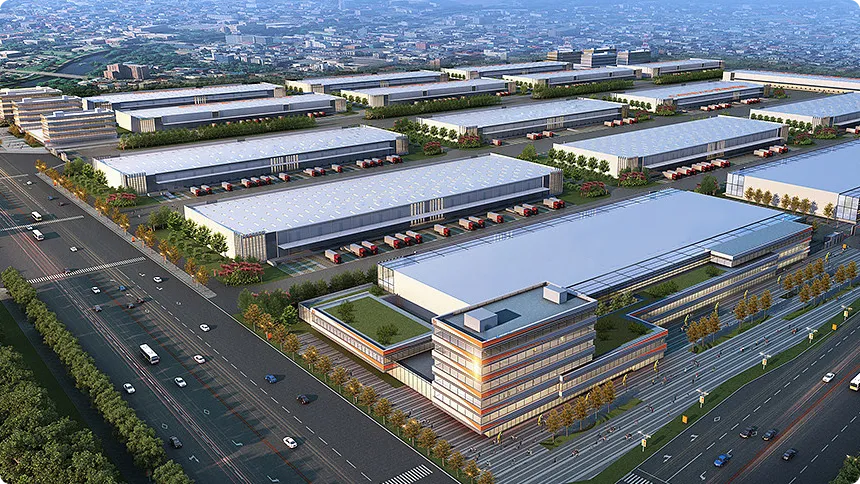
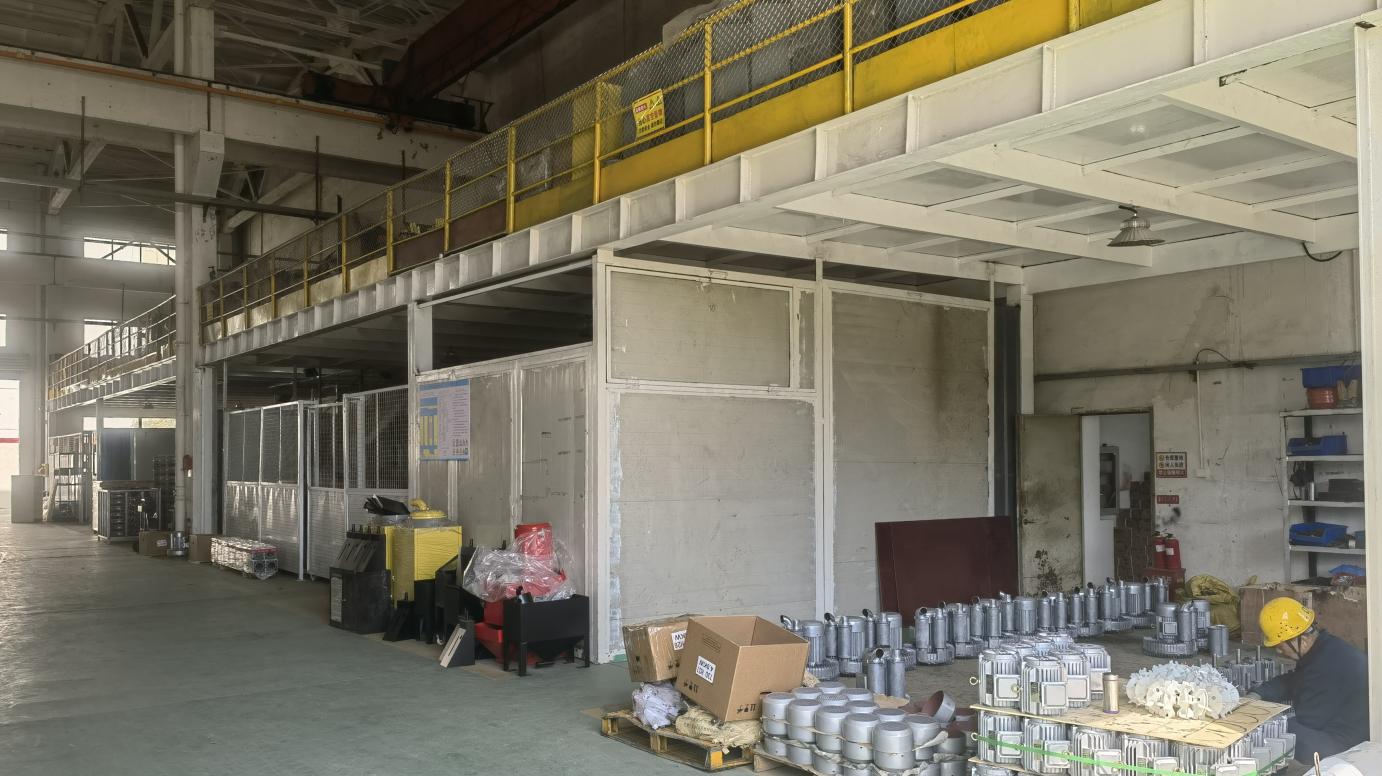
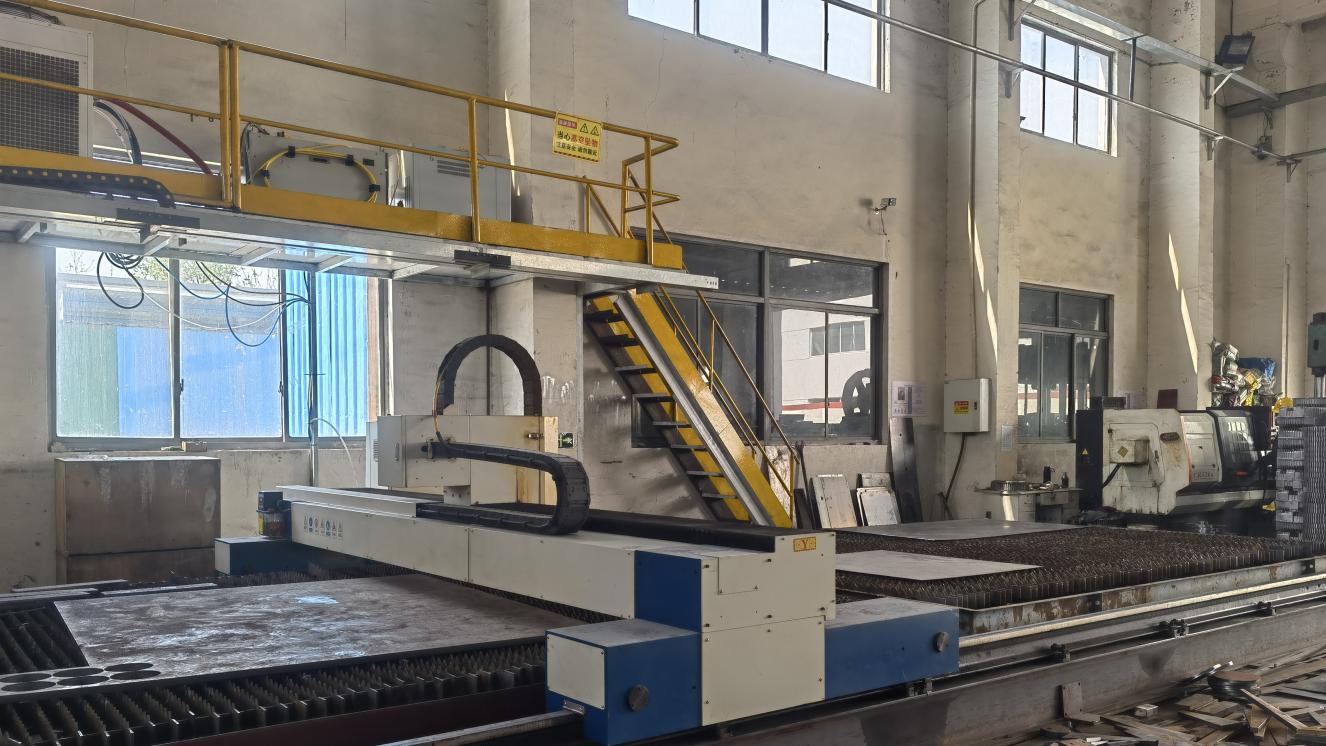
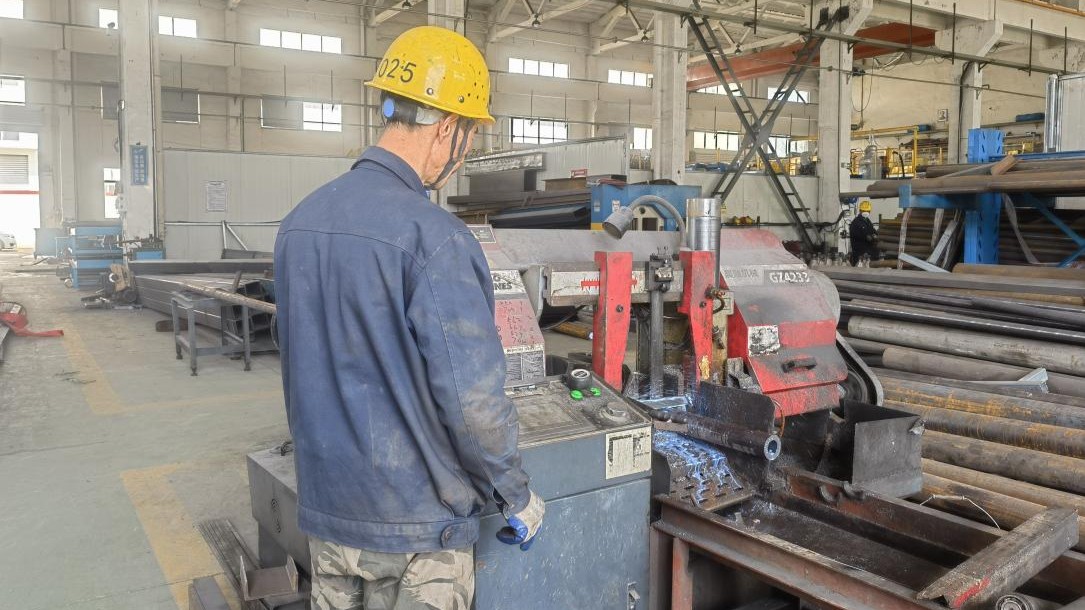
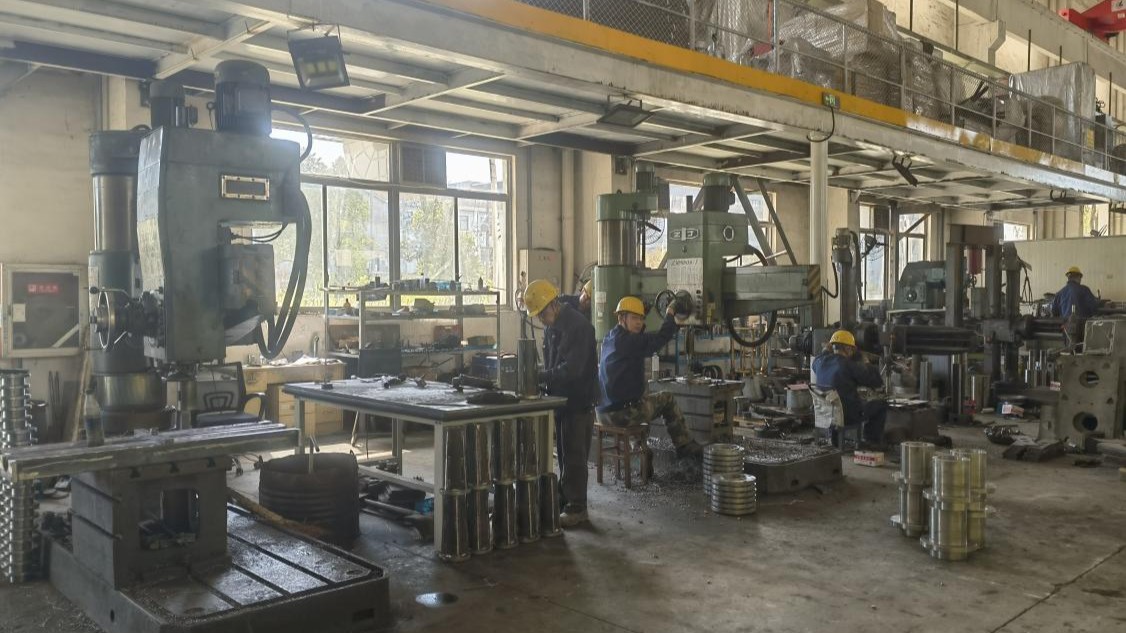
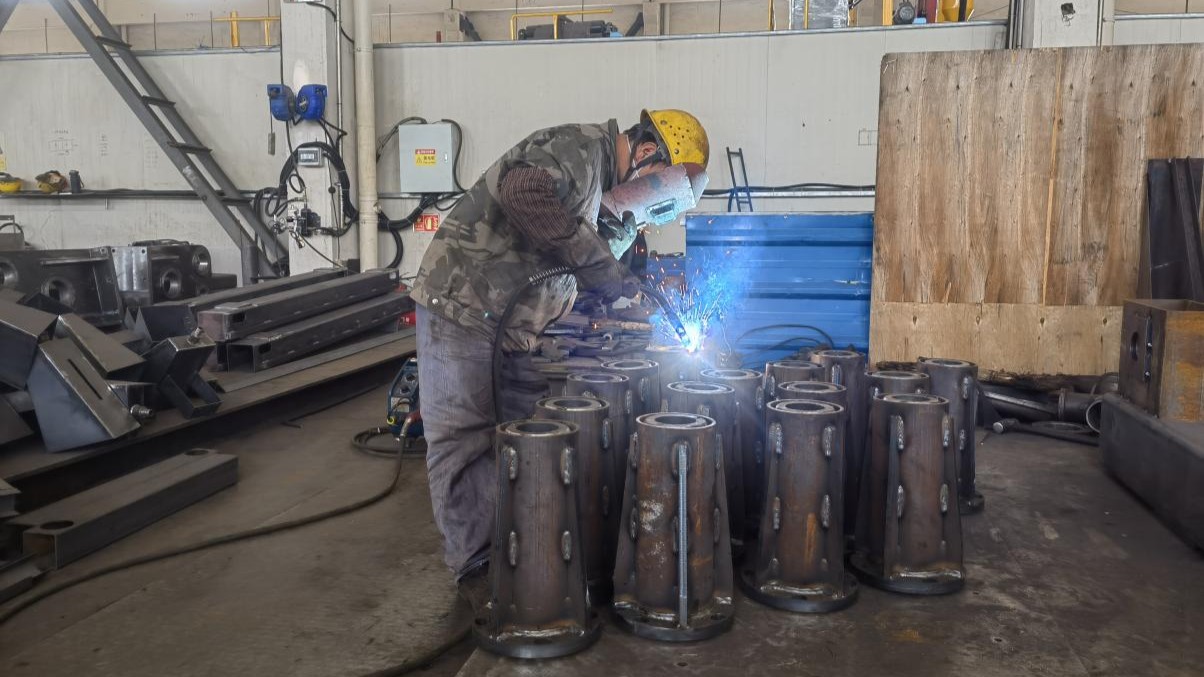
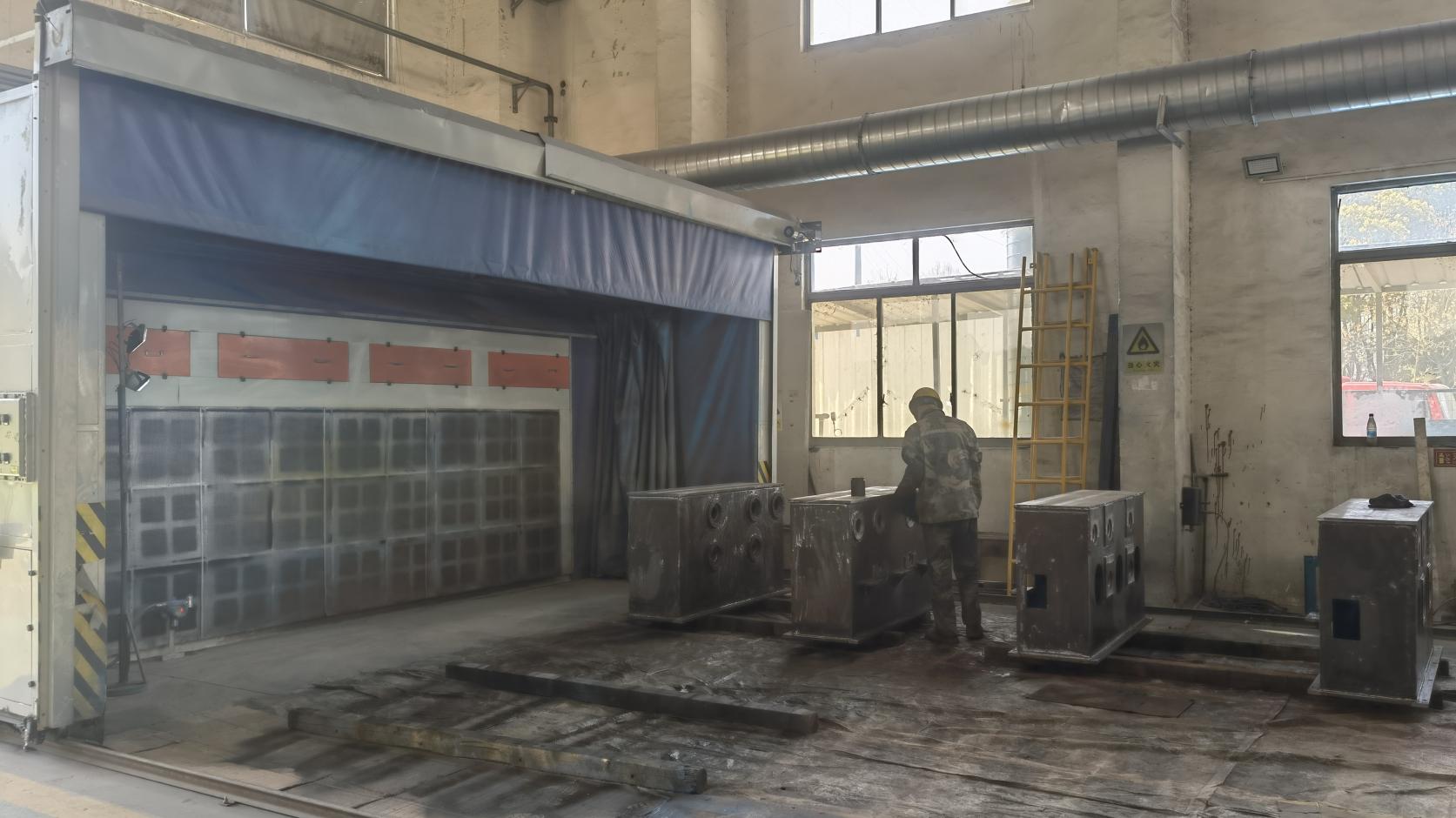
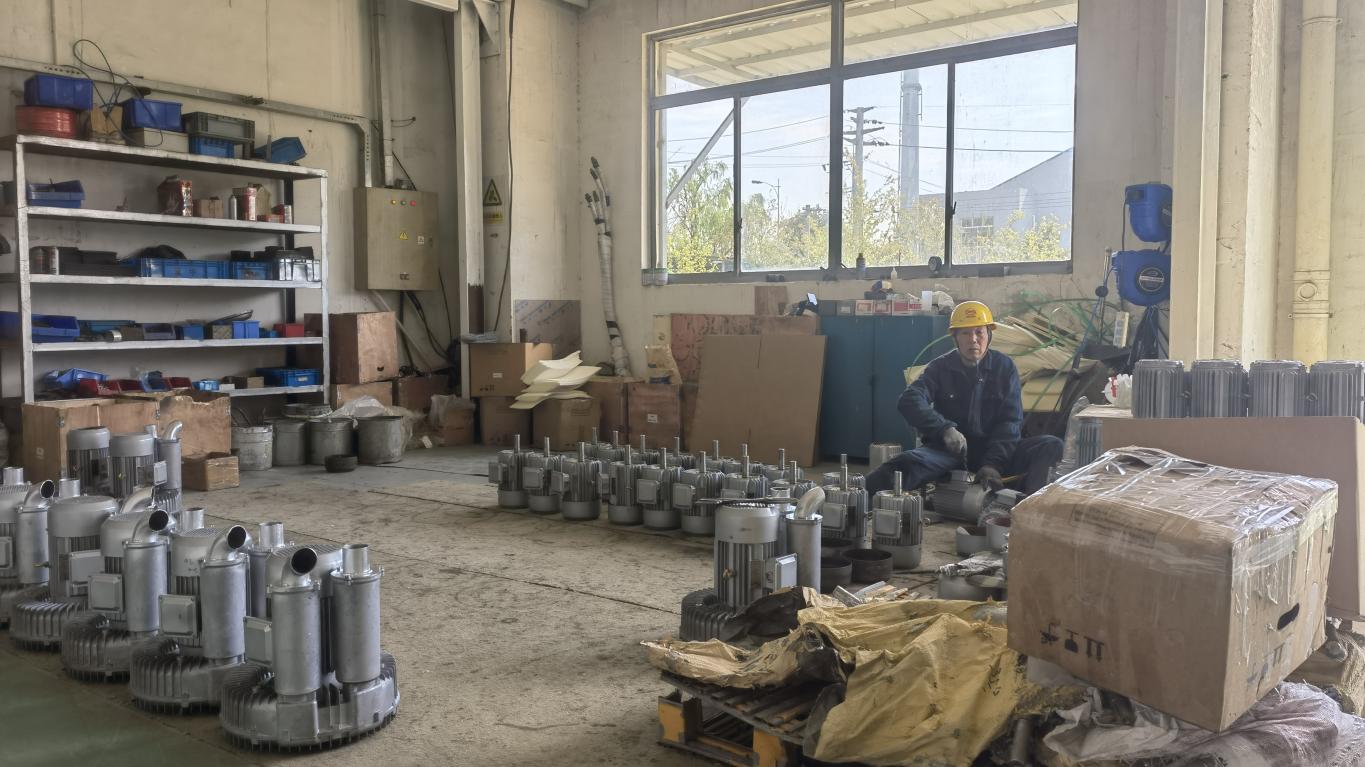
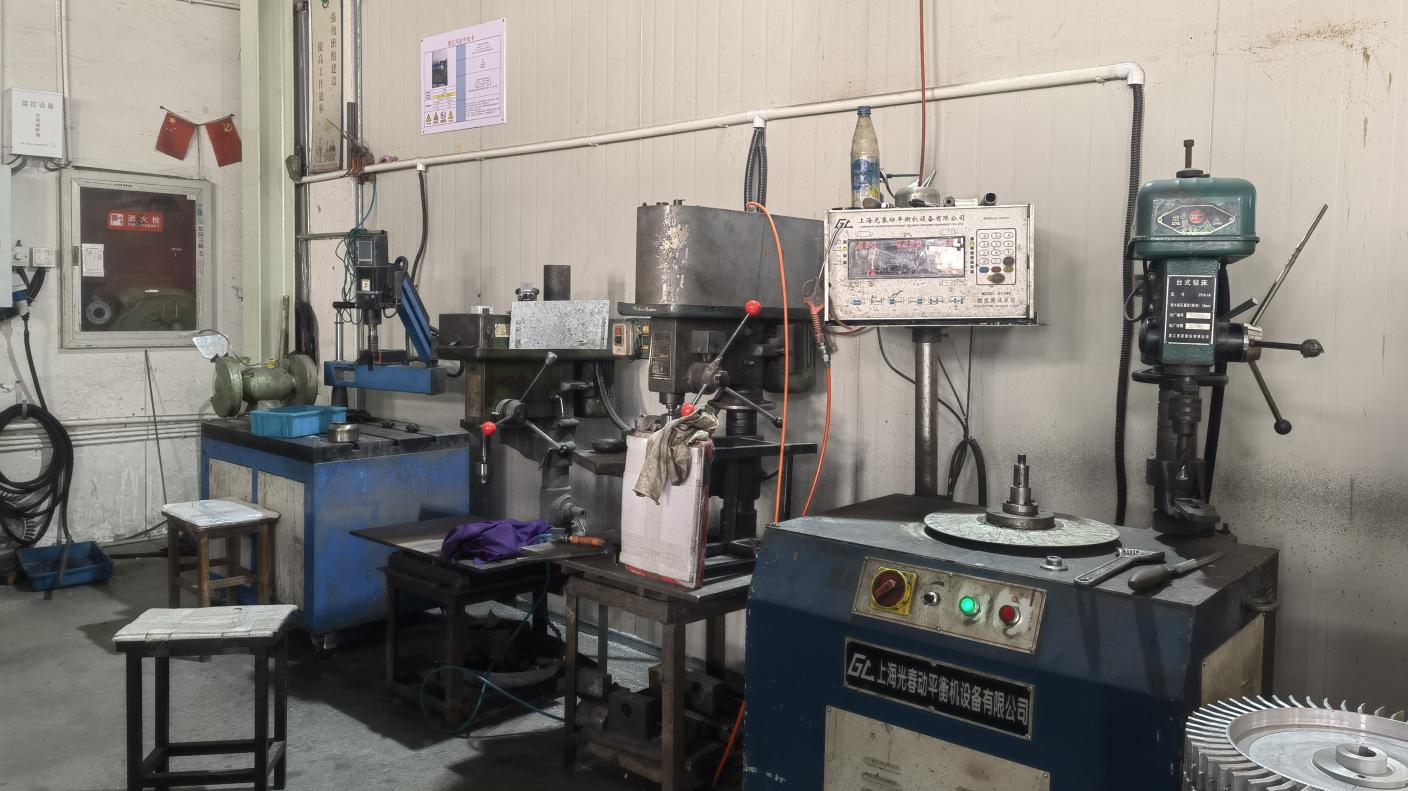
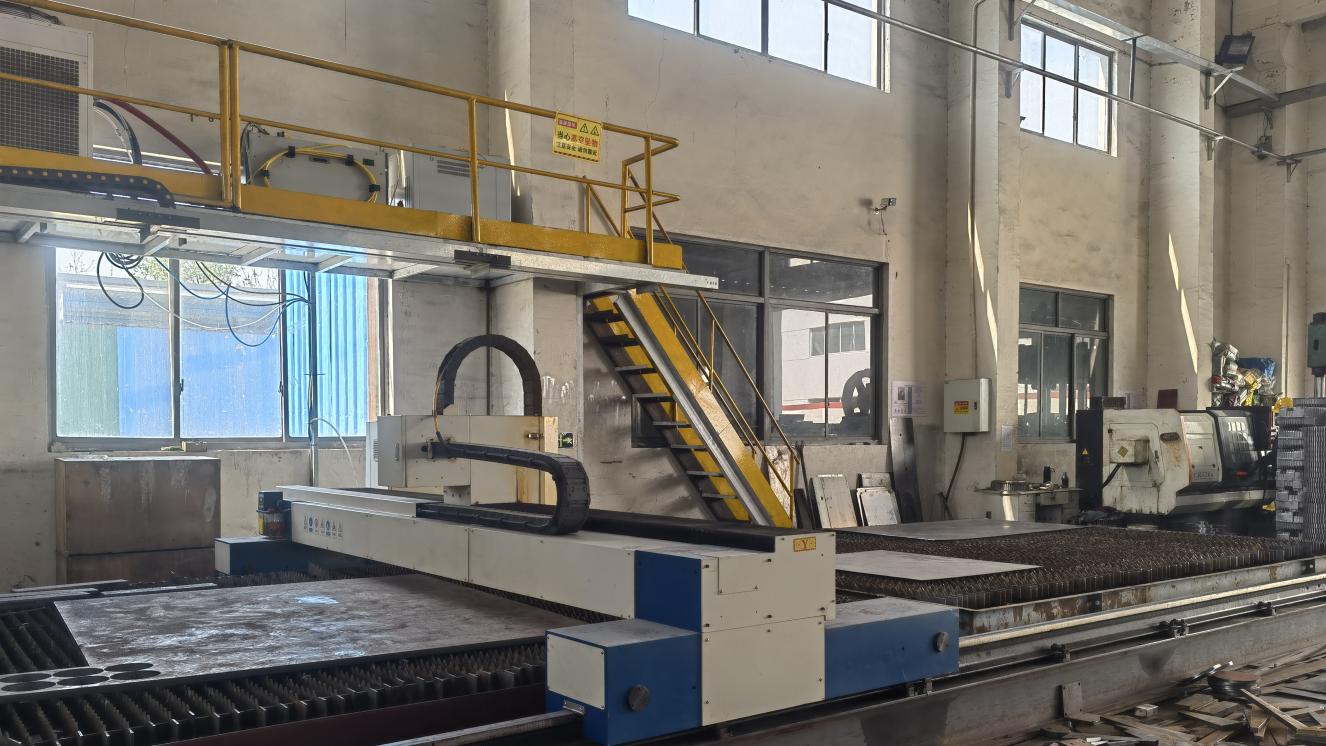
In 2023, we expanded our capabilities by establishing a fully integrated manufacturing base—Mobo Technology (Dalian) Co., Ltd.—allowing us to offer an end-to-end service that includes raw material sourcing, R&D design, precision manufacturing, and global sales. Our advanced production line produces cutting-edge automated systems, including robotic arc welders, AI-driven welding robots, laser-based cleaning robots, and energy-efficient welding solutions.
By utilizing Dalian Mobo Robot's advanced manufacturing pipeline, global procurement officers achieve significant cost optimization. Controlling raw material processing, robotic calibration, and optical integration under one roof enables us to offer unmatched price-to-performance ratios for Brisbane enterprises.

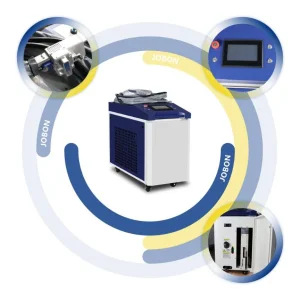
Consult with Dalian Mobo Robot's technical design team to outline a custom laser cleaning or automated robot configuration tailored to your production speed requirements.
Send Inquiry Now Mobo Robot