Explore our flagship heavy-duty welding robotic workstations, high-accuracy collaborative units, and automated manufacturing components engineered for elite performance.
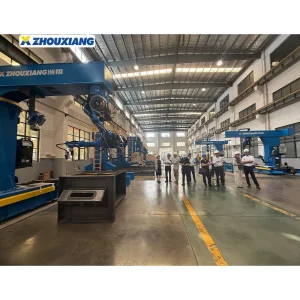
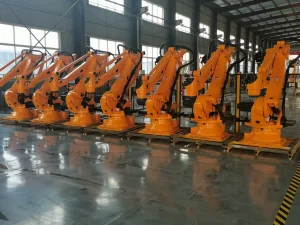
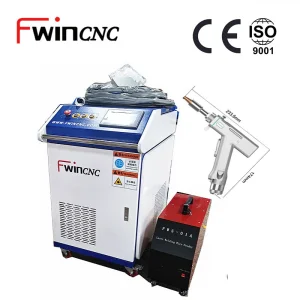

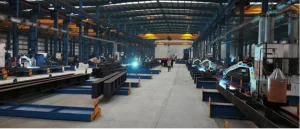
Founded in 2014, Dalian Mobo Robot Co., Ltd. is a high-technology enterprise committed to innovation and engineering excellence in the global industrial automation sector. Guided by our foundational core values of "Integrity in Business, Commitment to Quality," we dedicate ourselves to forging long-term global partnerships built upon trust, transparency, and shared technological advancement.
Since our inception, we have evolved from a specialized robotics systems provider to an elite developer of end-to-end welding and cutting automation configurations. We specialize in custom R&D design, software integration, auxiliary equipment engineering, and complete robotic system commissioning.
"Our mission is to lead the automated welding and thermal cutting sectors by providing vertically integrated systems that meet the rigorous standards of global heavy fabrication, automotive, marine, and construction industries."
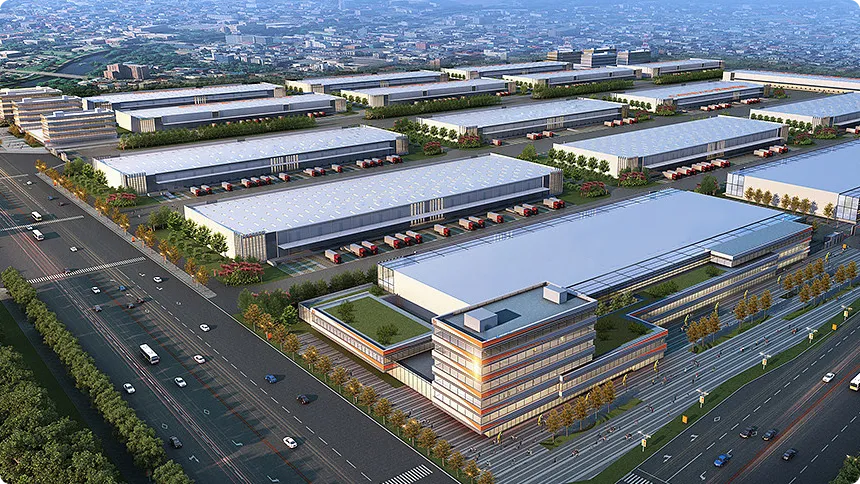
Dalian Mobo Robot Headquarters & Corporate R&D Base
Analyzing macroeconomic drivers, technological paradigms, and the transition toward smart, sensor-driven fabrication networks.
The global heavy fabrication and structural manufacturing industries are facing unprecedented headwinds characterized by an aging skilled labor force and a growing deficit of certified welding technicians. Modern welding operations require precision, repetitive consistency, and adherence to strict weld procedure specifications (WPS). Achieving this manually under hazardous conditions is increasingly difficult.
Automated robotic welding systems represent the most robust solution to this industrial challenge. By shifting operations from manual execution to automated supervision, manufacturers experience up to a 300% increase in duty cycles. While a manual welder typically achieves a 20% to 30% arc-on time, robotic workstations achieve continuous duty cycles exceeding 85%, significantly accelerating production throughput and yielding predictable cycle times.
Historically, robotic welding relied on strict, pre-programmed path configurations. If a workpiece exhibited slight dimensional variations, thermal distortion, or positioning misalignments, the robot's torch would deviate from the joint, resulting in weld defects. The contemporary industry paradigm has shifted toward adaptive automated systems.
Through the integration of high-speed laser seam tracking systems and real-time vision algorithms, modern robots can detect, adjust, and correct their path dynamically mid-operation. These seam trackers project a laser line across the weld seam, capturing geometrical profiles at hundreds of frames per second. The robot's controller calculates joint offsets in real-time, correcting torch position to within fractions of a millimeter. This degree of adaptive feedback is crucial for structural H-beams, pressure vessels, and large container assemblies where part tolerances vary significantly.
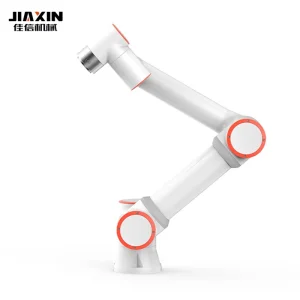
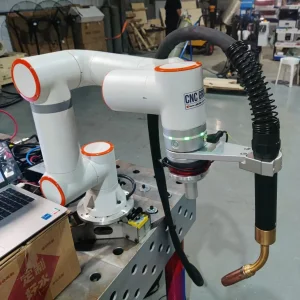
While massive, multi-axis industrial robots remain the standard for high-volume automotive assembly lines, small-to-medium enterprises (SMEs) require flexibility. Collaborative robots, or cobots (such as the Mobo FR5, FR10, and FR20 series), have changed the automation landscape.
Designed to operate safely alongside human workers without extensive safety gating, cobots offer intuitive programming interfaces. Welders can program a cobot via hand-guided teach modes, physically moving the arm along the desired path to establish waypoints. This eliminates the steep learning curves associated with programming traditional industrial robots. Cobots make high-quality robotic welding accessible for low-volume, high-mix job shops.
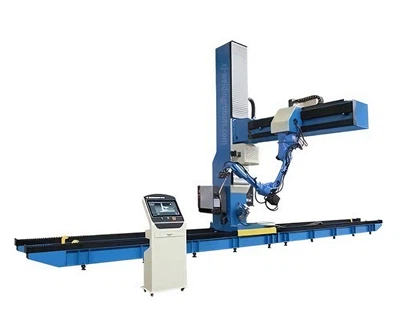
9-Axis Track-Type Teaching-Free Arc Welding Robot System
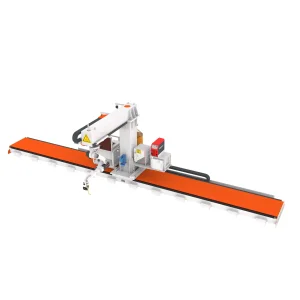
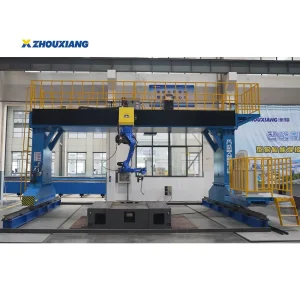
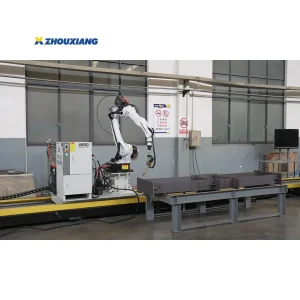
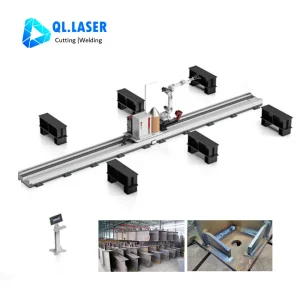
To achieve ultimate flexibility in complex structural fabrications, Dalian Mobo Robot Co., Ltd. has developed the 9-Axis Track-Type Teaching-Free Arc Welding Robot. By combining a 6-axis industrial manipulator arm with a 3-axis external positioning system (composed of linear slides and rotary positioners), the system achieves coordinated spatial movement.
Through our advanced kinematic algorithms, the system coordinates motion between the robot's arm and the external axis. This keeps the welding torch in the optimal downhand welding position (1F/2F/1G) throughout the entire path, helping maintain consistent weld bead profiles and weld pool geometry.
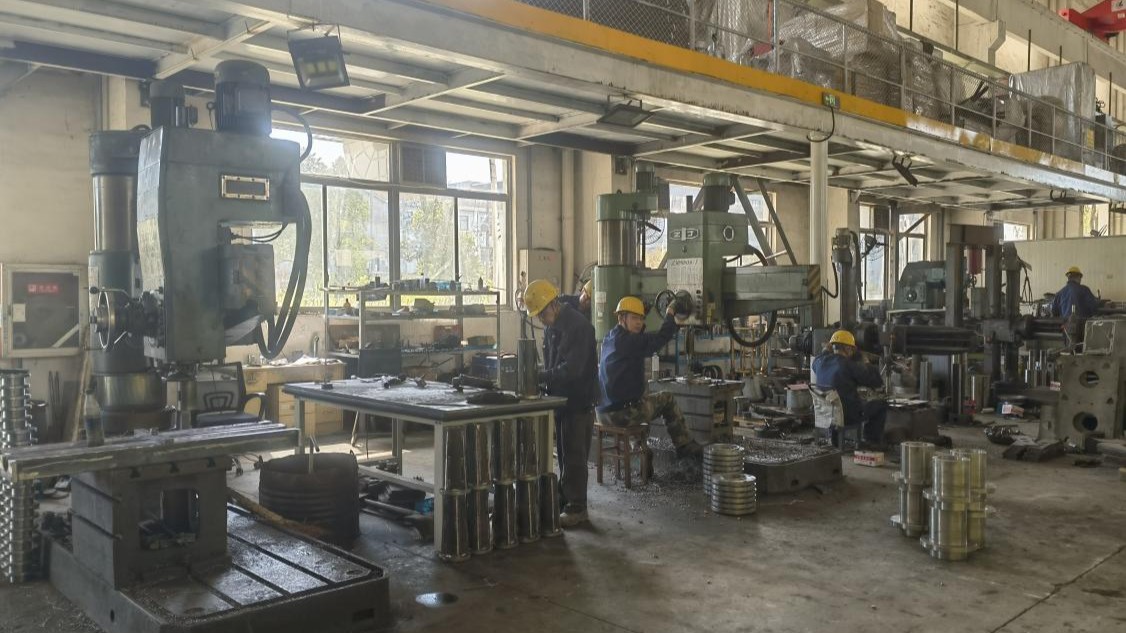
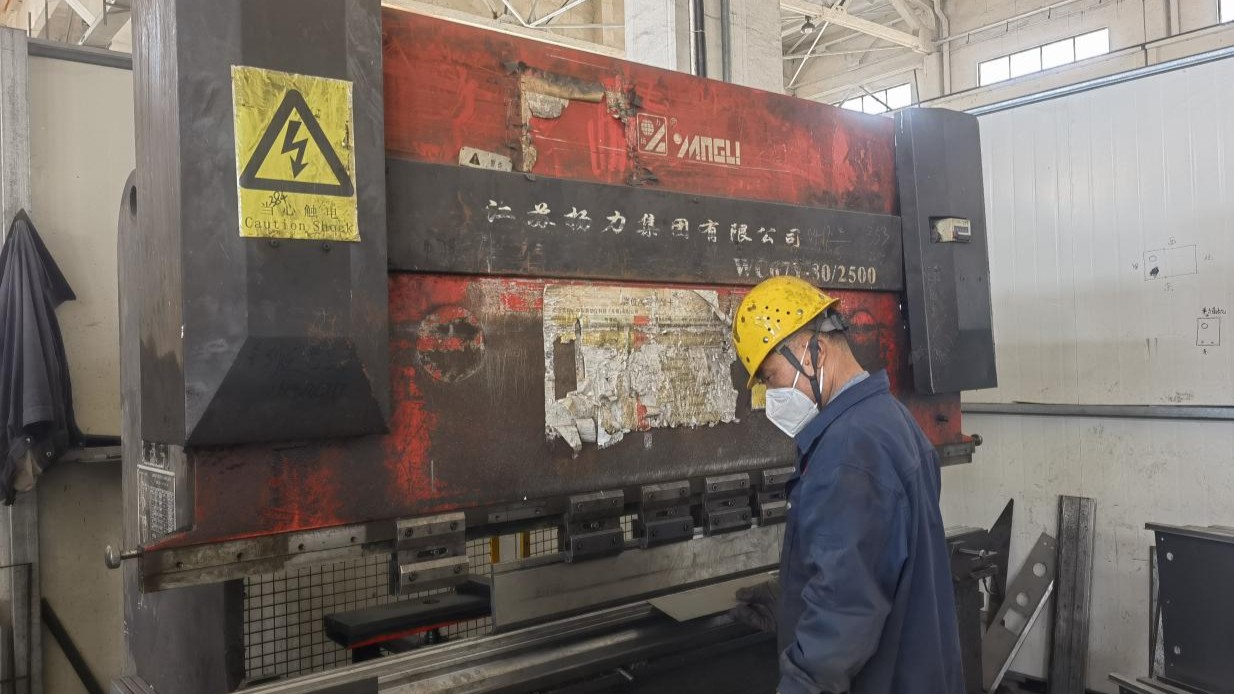
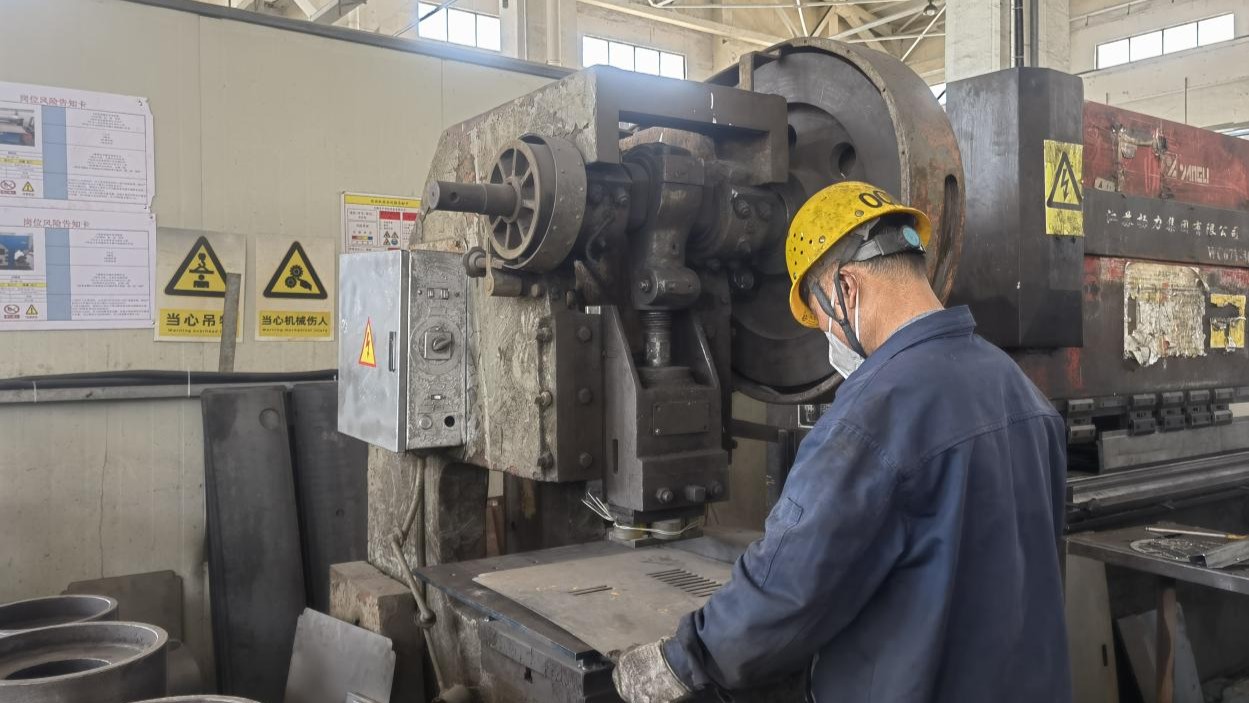
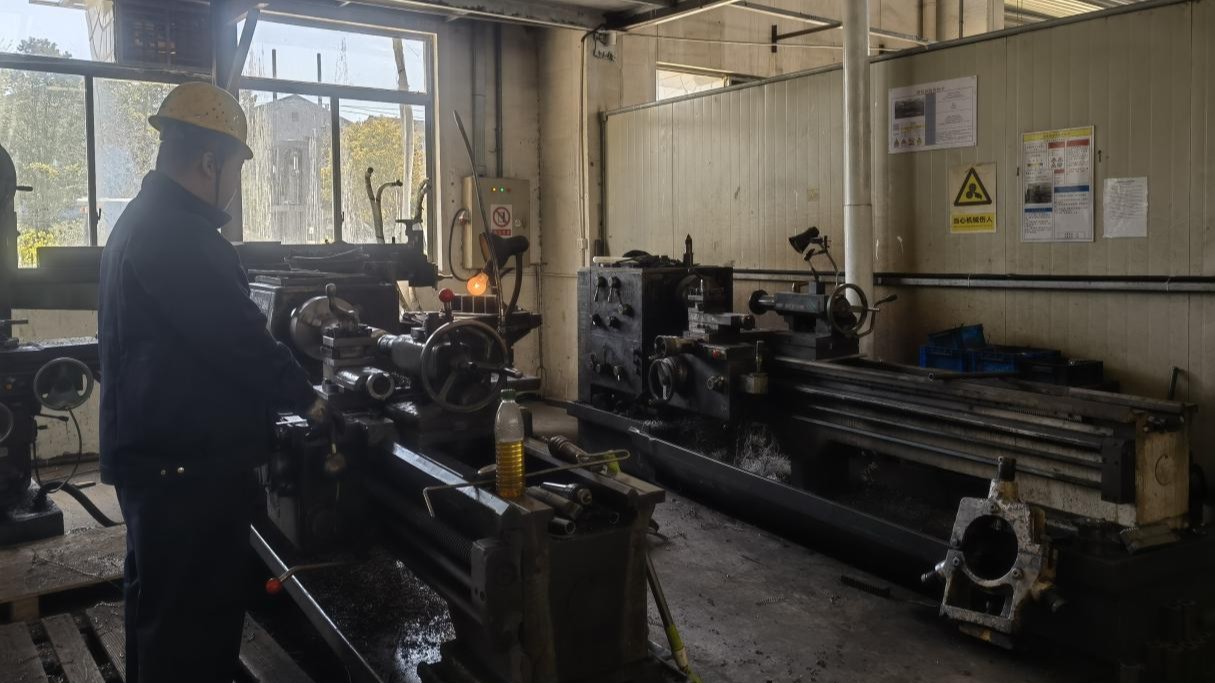
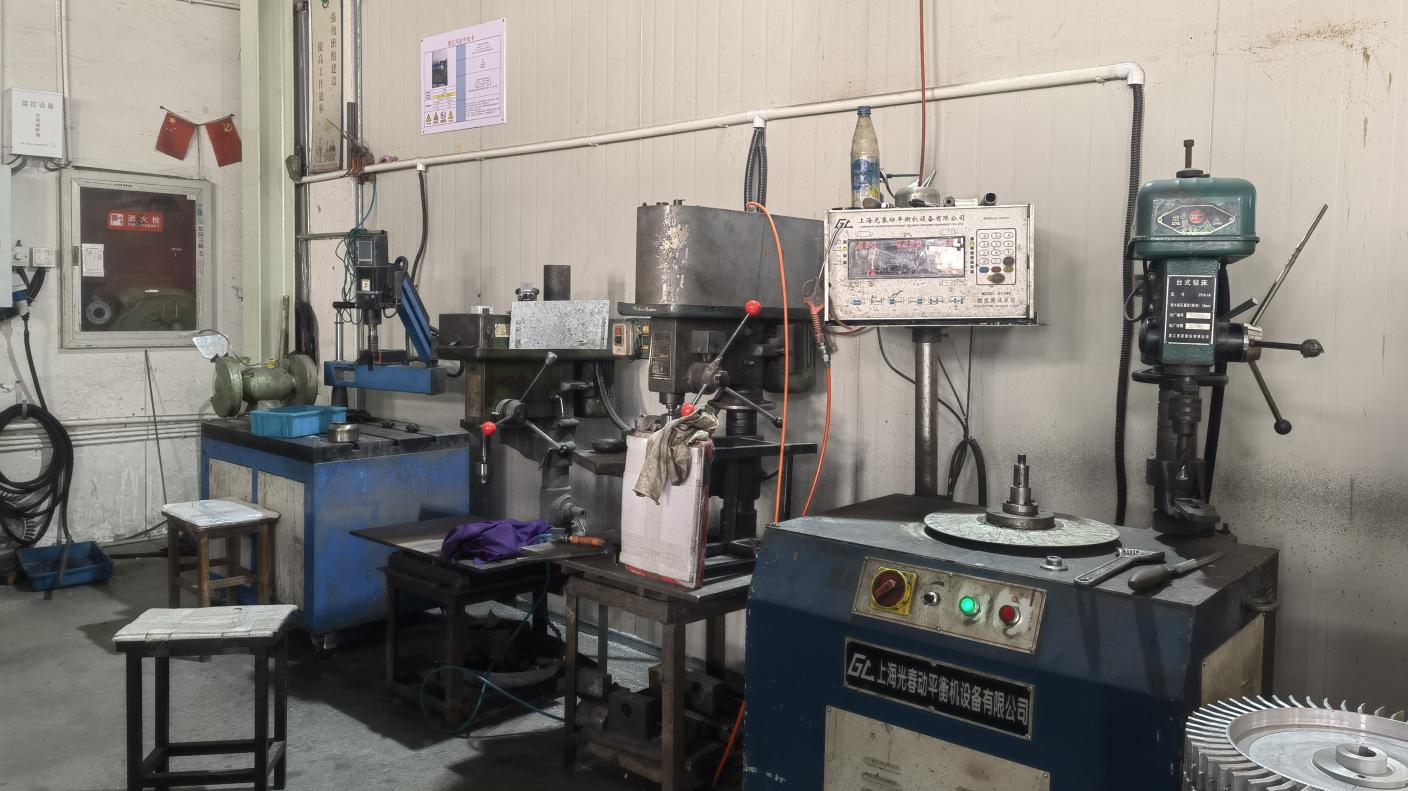
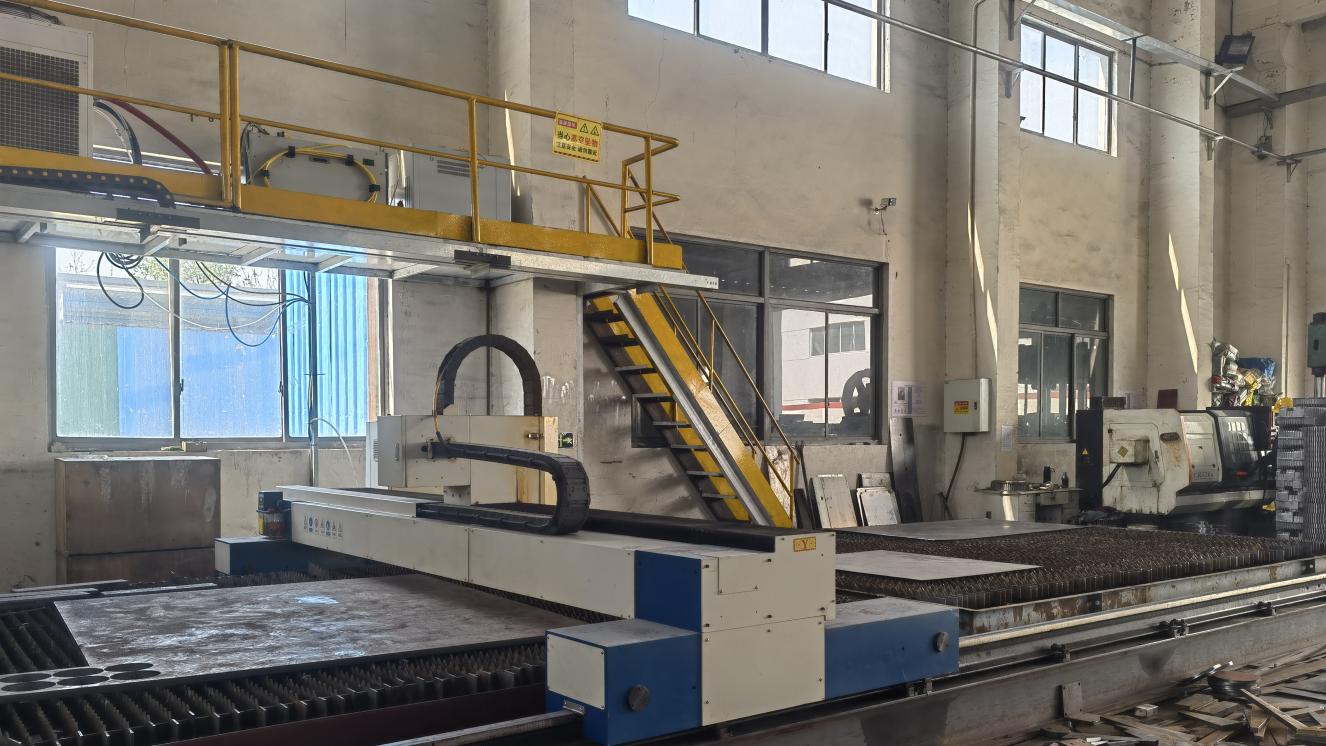
Our state-of-the-art manufacturing facility, Mobo Technology (Dalian) Co., Ltd., controls every link in the supply chain to guarantee industrial reliability and ISO-compliant execution.
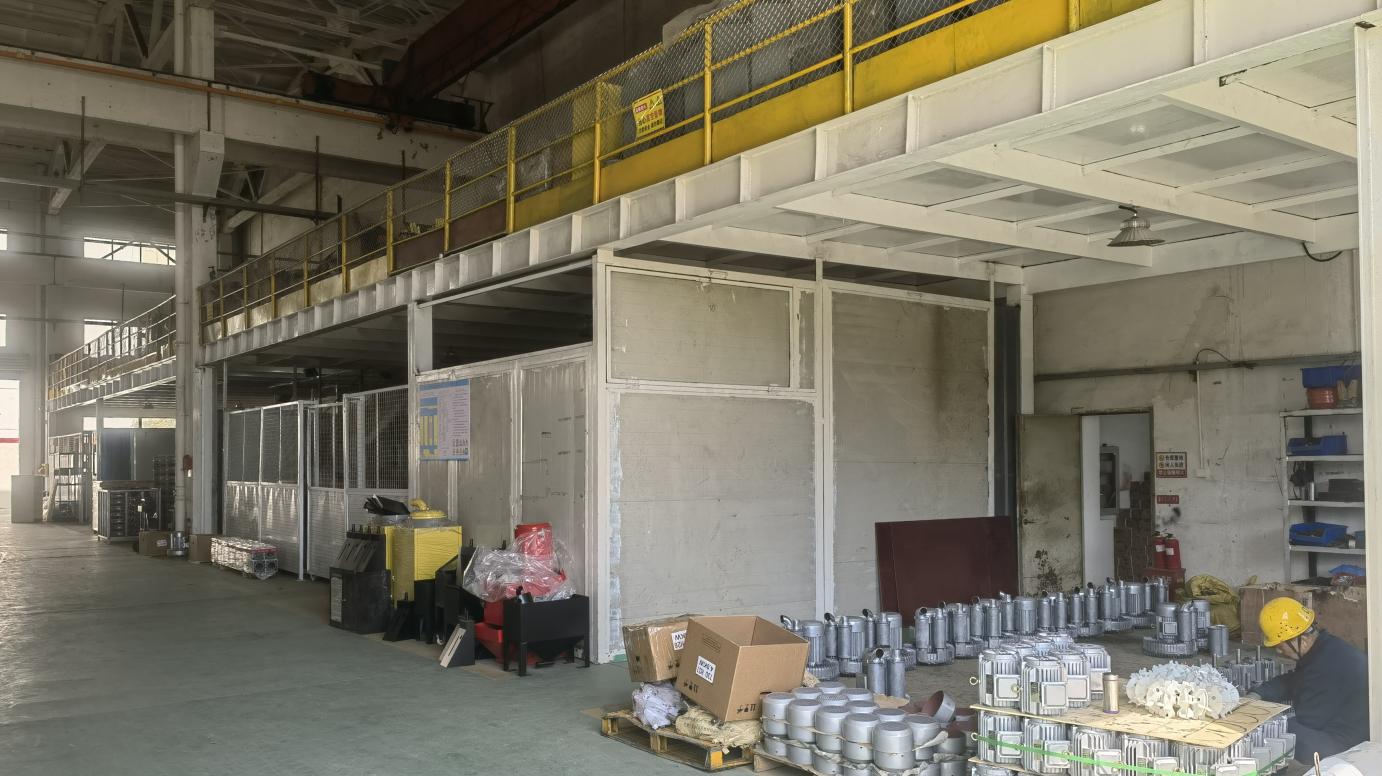
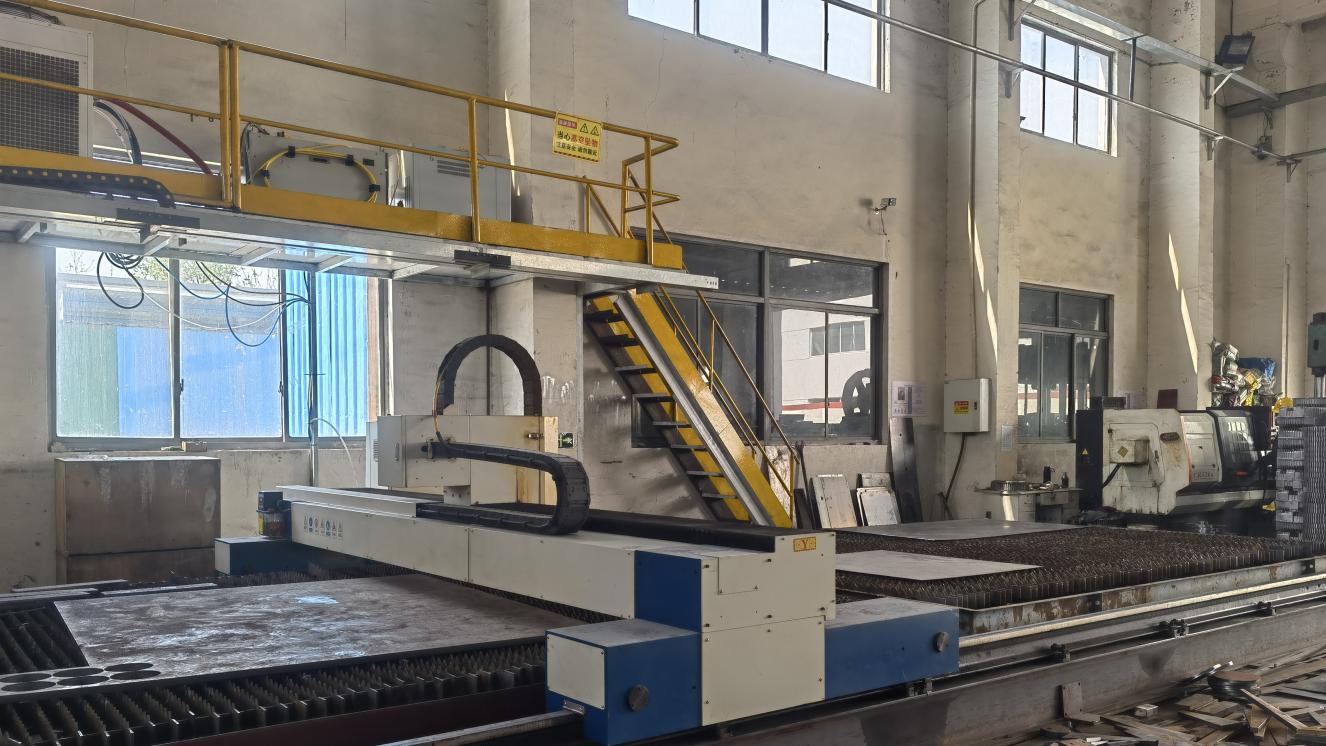
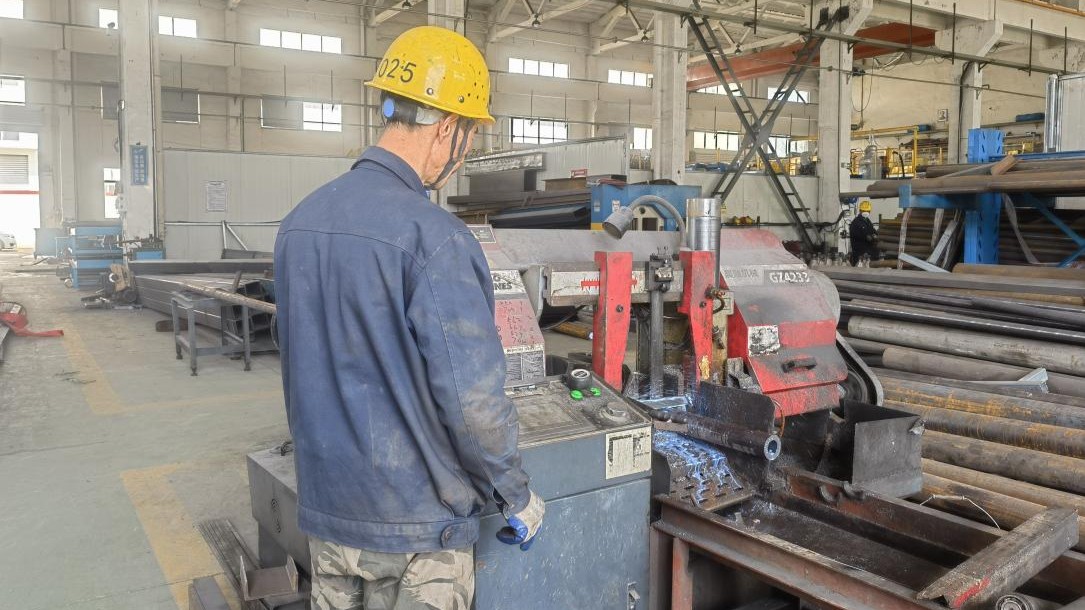
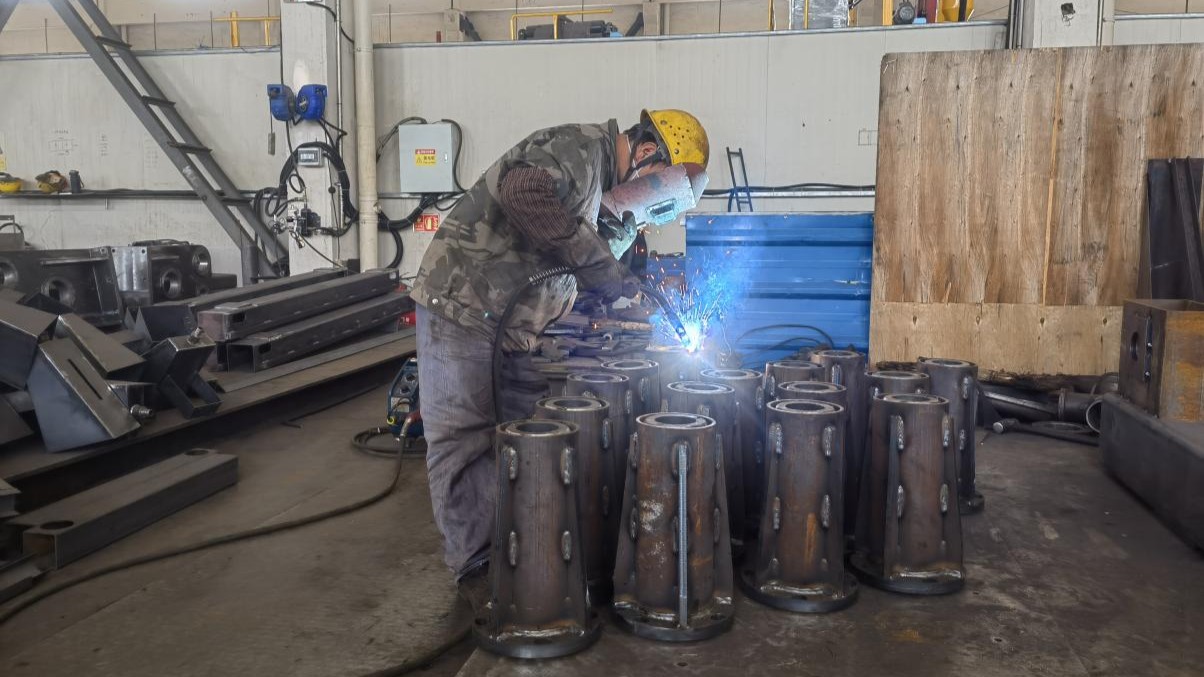
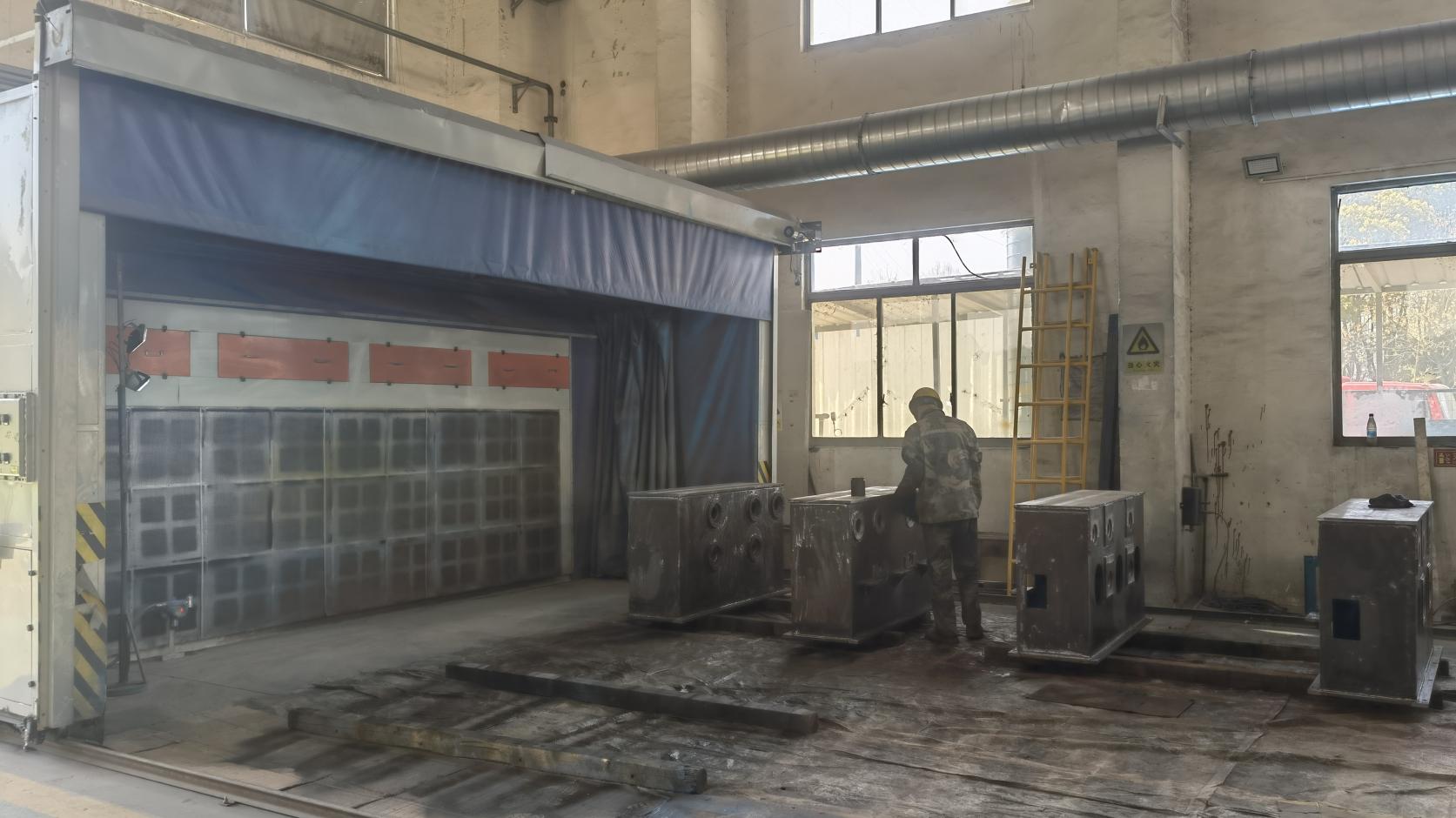
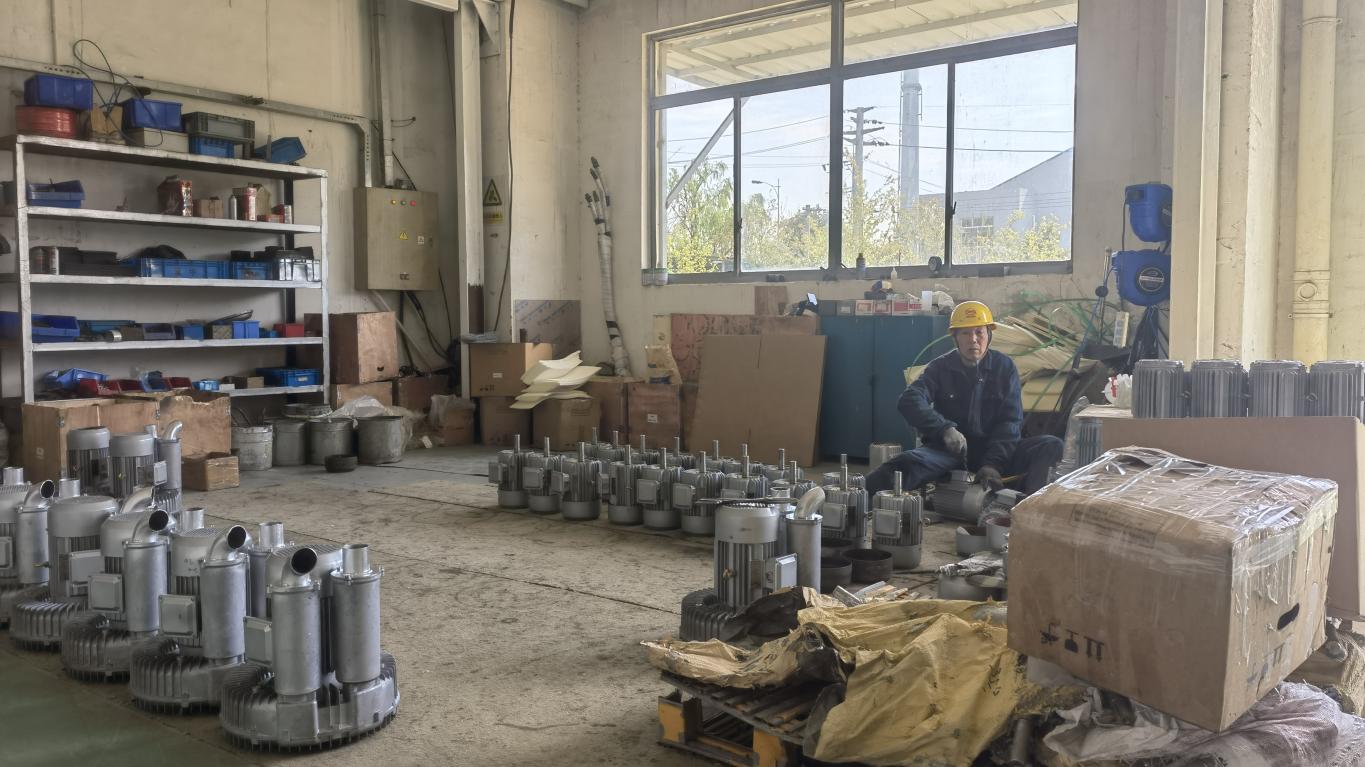
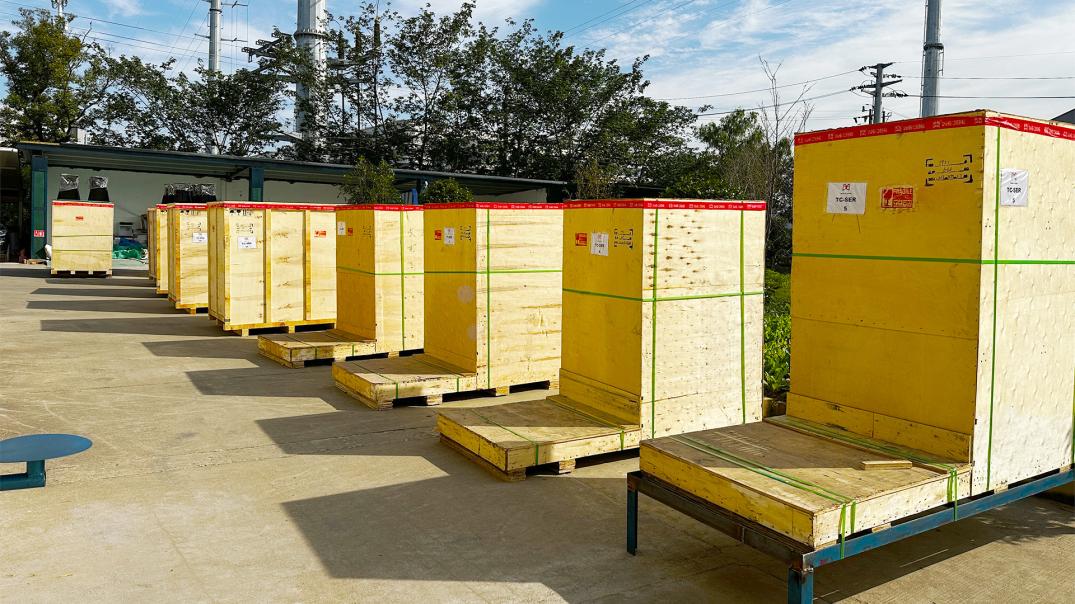
How Mobo Robot delivers turn-key engineering excellence and proven return on investment across primary industrial sectors.
Heavy structures require multi-layer welds, thick plate joint penetration, and minimal thermal warping. Mobo's heavy-duty industrial welding workstations feature integrated arc voltage control and multi-pass program configurations. This makes them ideal for manufacturing H-beams, structural columns, box girders, and truss nodes, ensuring compliance with AWS and EN structural steel standards.
Power engineering components must withstand high temperatures and pressures, requiring defect-free welds with consistent root pass penetration. Our automatic systems with seam tracking adapt dynamically to groove variations. This enables continuous orbital welds on pressure vessels, boiler tubes, heat exchangers, and energy transport piping systems.
High-speed production lines require rapid cycle times and low thermal input to prevent burn-through on thin sheet metals. Mobo's collaborative cobots and automated MIG/MAG lines deliver precise parameter control, rapid joint changes, and smooth spatter-free welds. This makes them ideal for subframes, exhaust components, fuel tanks, and sheet metal subassemblies.
With a customer base spanning more than 1,000 clients across Asia, Europe, and the Americas, Dalian Mobo Robot Co., Ltd. provides localized engineering support, remote diagnostic capability, and quick parts delivery. We design our systems using open architectures, allowing your internal technicians to perform routine maintenance with ease.
How we are integrating AI, cloud-connected diagnostics, and sustainable architectures into our next generation of welding equipment.
By integrating high-speed infrared cameras and spectroscopic analysis directly into the welding head, our future controllers will monitor the melt pool size, temperature distribution, and solidification rate. Real-time parameter correction adjusts current and wire feed speed on the fly, eliminating internal defects like porosity and lack of fusion.
Next-generation Mobo workstations will upload continuous weld analytics to a secure cloud server. Machine learning models evaluate feed-motor strain, gas flow consistency, and thermal spikes to predict contact tip wear and line issues before a breakdown occurs, minimizing unexpected downtime.
Moving beyond simple seam tracking, future systems will import 3D CAD blueprints, cross-reference them with 3D scans of the raw workpiece, and automatically generate optimal multi-pass welding programs. This will require minimal input from welding technicians, reducing setup times for unique structural assemblies to minutes.
Answers to critical questions regarding the implementation, accuracy, integration, and return on investment of automated welding systems.
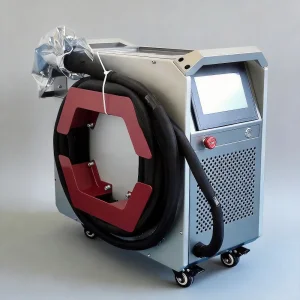
Complete your automated manufacturing facility with collaborative arms, specialized cleaners, portable dental systems, and industrial support gear.

 Mobo Robot