Explore our core engineering catalog featuring advanced seam tracking, fiber laser units, and motion systems.

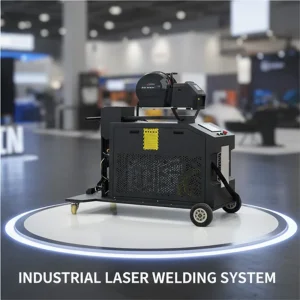
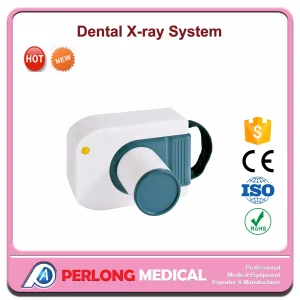
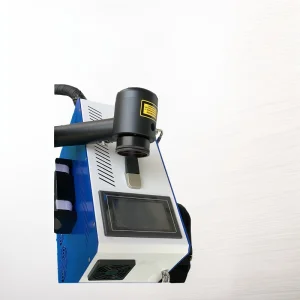
In modern industrial fabrication, precision is no longer an optional benchmark; it is the cornerstone of survival in a hyper-competitive global landscape. Surface preparation, deburring, grinding, polishing, and welding represent critical inflection points in manufacturing where human error can lead to catastrophic component failures. Historically, these processes were labor-intensive and plagued by issues with reproducibility, dust hazards, and high scrap rates. The advent of integrated robotic finishing solutions has fundamentally disrupted these traditional methodologies by introducing deterministic precision, mechanical repeatability, and advanced sensory feedback loops.
By replacing manual grinders and hand-held sanders with multi-axis articulated arms governed by intelligent force-torque sensors, manufacturing companies can guarantee identical surface roughness parameters across millions of production cycles. Through modern machine learning control architectures, these robotic cells constantly adapt to tool wear and variation in casting dimensions, optimizing processing speed while keeping heat input below metallurgical limits. This white paper analyzes how smart automation is transforming these industrial pathways, highlighting why choosing the right manufacturing partner is essential to achieving significant production yield improvements.
A trusted global pioneer in heavy fabrication automation and intelligent laser processing systems.
Dalian Mobo Robot Co., Ltd., founded in 2014, is committed to innovation and excellence in the field of industrial automation. Guided by our core values of "Integrity in Business, Commitment to Quality," we strive to build long-term partnerships based on trust and mutual success. Our mission is to lead in the welding and cutting automation sector by providing superior products and services that meet the evolving needs of industries worldwide.
Since our establishment in 2014, Dalian Mobo Robot Co., Ltd. has been at the forefront of the robotics and automation industry, specializing in the supply, installation, and after-sales support of advanced welding and cutting equipment, robotic systems, accessories, consumables, and specialty welding materials. With over a decade of experience, we have earned the trust of more than 1,000 clients across various industries, including manufacturing, automotive, shipbuilding, and construction.
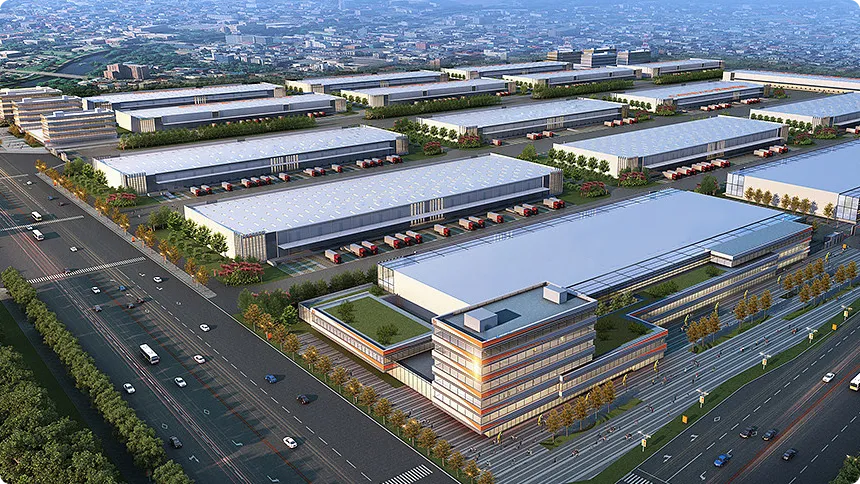
In 2023, we expanded our capabilities by establishing a fully integrated manufacturing base—Mobo Technology (Dalian) Co., Ltd.—allowing us to offer an end-to-end service that includes raw material sourcing, R&D design, precision manufacturing, and global sales. Our advanced production line produces cutting-edge automated systems, including robotic arc welders, AI-driven welding robots, laser-based cleaning robots, and energy-efficient welding solutions.
Our focus is not just on selling equipment but on creating comprehensive, customized solutions that add value and drive long-term success for our clients. From design to implementation, our expert team ensures that each system is tailored to the specific needs of the customer, with the highest standards of quality and reliability.
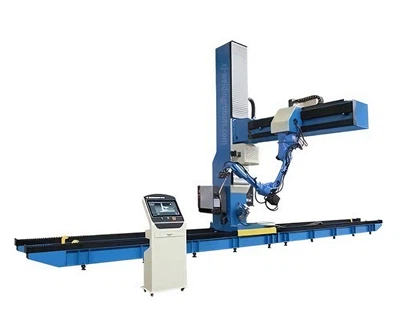
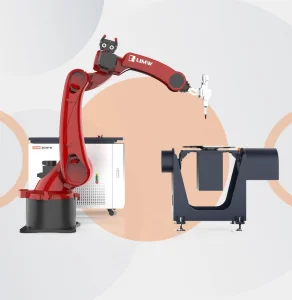
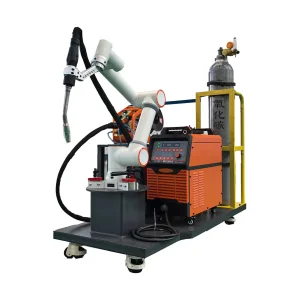
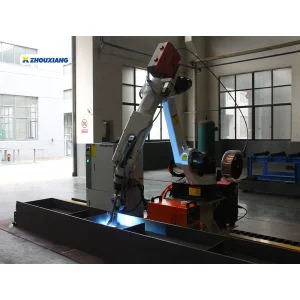
9-axis Track-type Teaching-free Arc Welding Robot Workstation
Why Tier-1 industrial buyers rely on Dalian Mobo Robot for precision automation systems.
By controlling the entire production pipeline from raw material processing to final programming calibration, we eliminate standard supply chain variance. This ensures the highest standards of quality, engineering precision, and reliable lead times.
We focus on precision engineering, integrating machine vision systems, laser seam tracking modules, and neural-network-driven path calculation algorithms to guarantee repeatability even under extreme operational environments.
We supply turnkey automation setups, including customized robotic work cells, heavy-duty CNC systems, laser welding nodes, and protective inspection crawlers configured to integrate into your existing ERP and SCADA infrastructure.
Operating across major global industrial centers, we maintain response partnerships that guarantee prompt assistance, replacement parts availability, and engineering support for our clients around the world.
A transparent breakdown of our engineering steps, ensuring consistent material performance and mechanical tolerances.
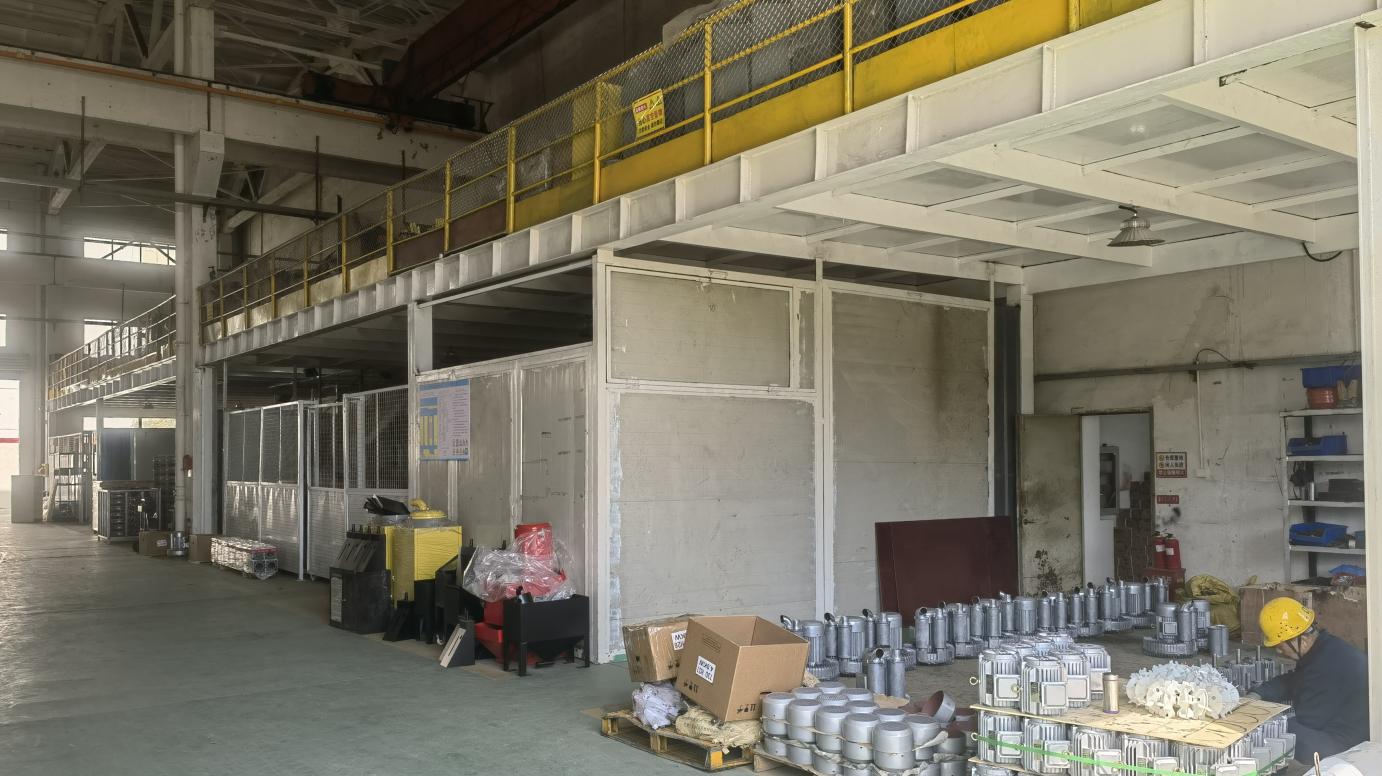
Raw Materials
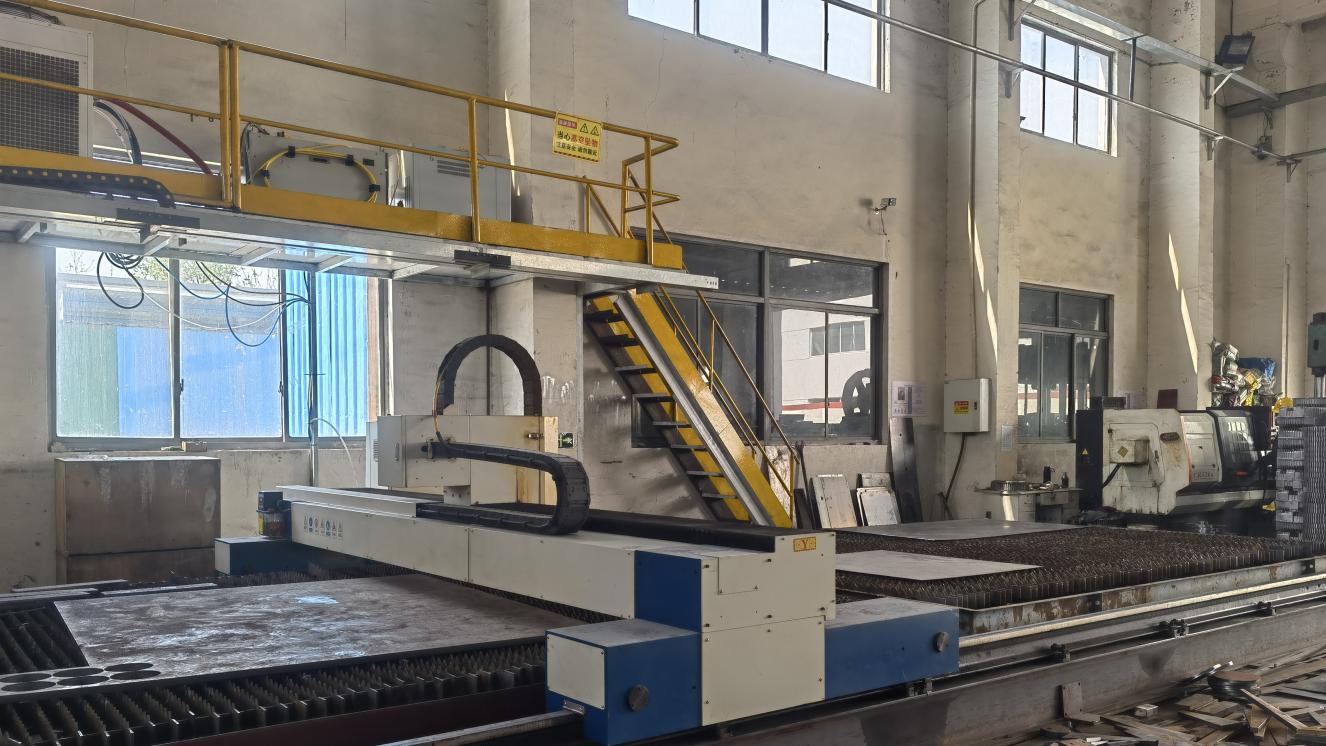
Laser Cutting
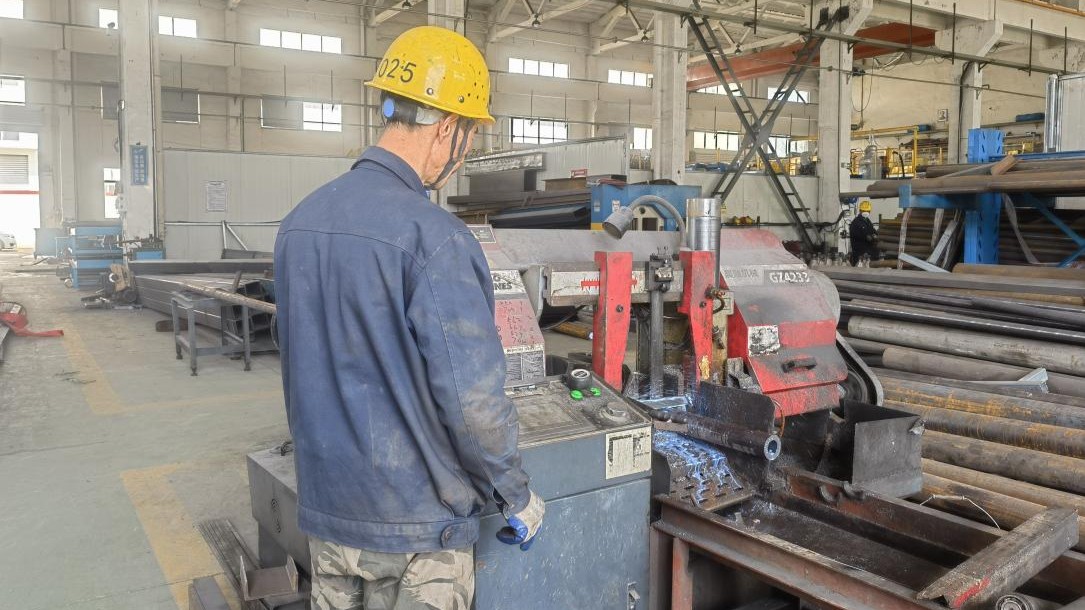
Cutting
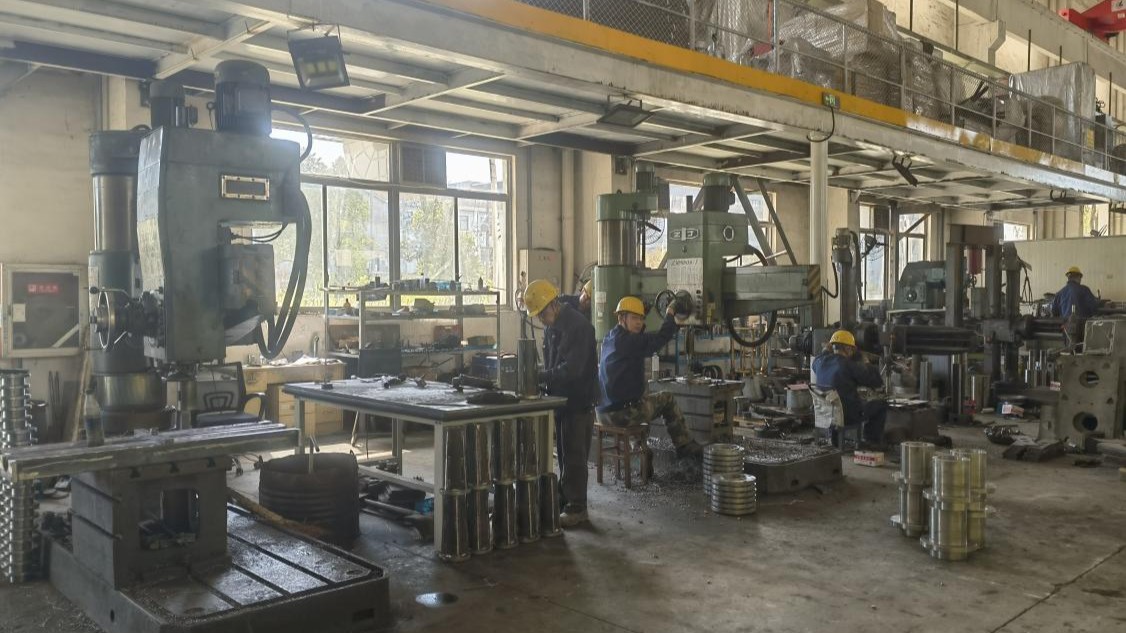
Drilling
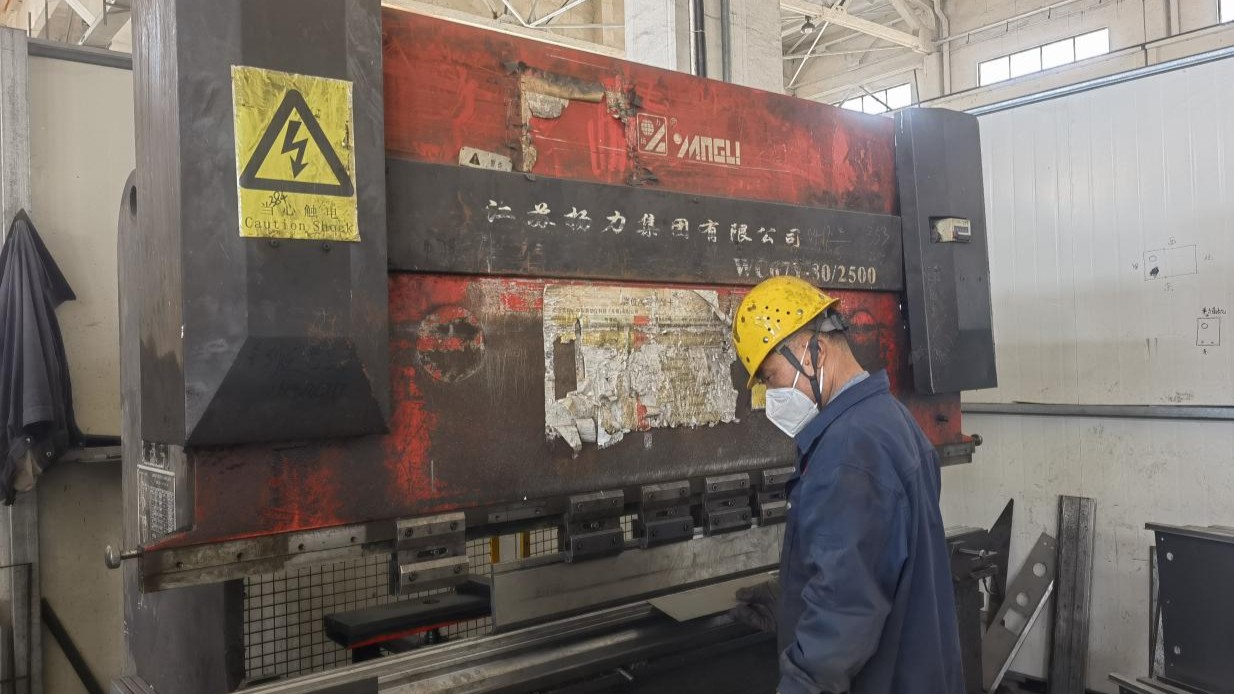
Bending
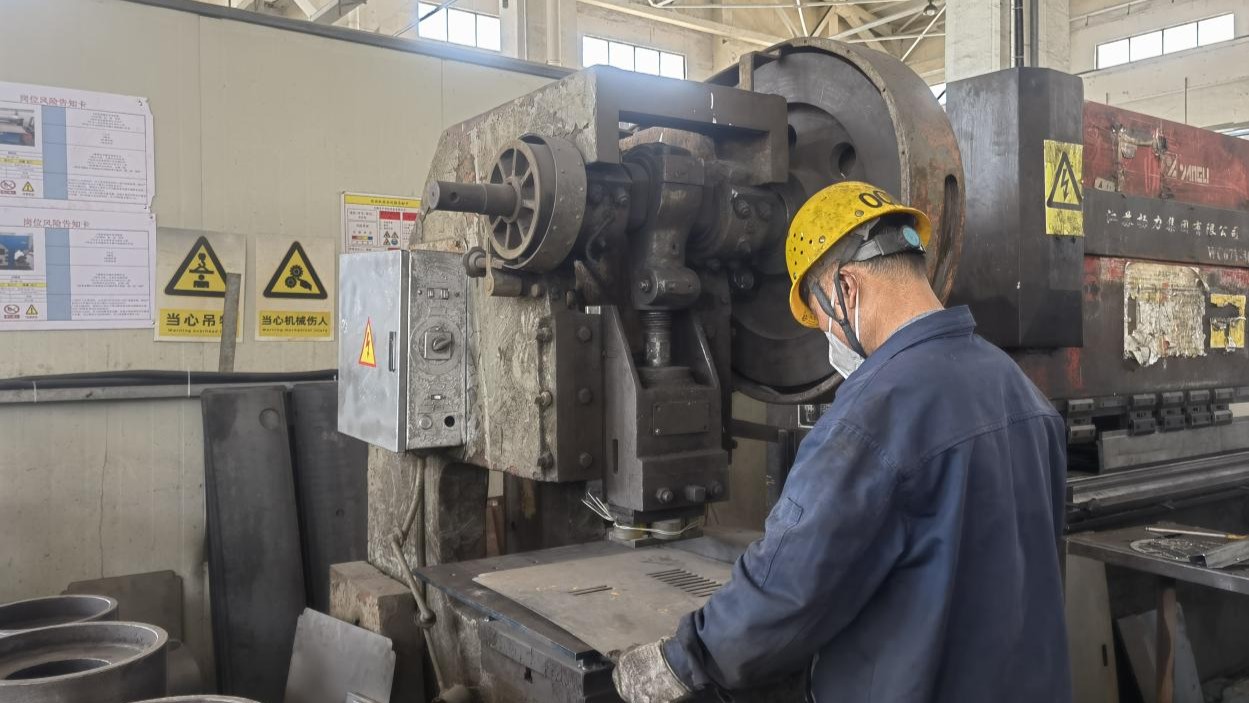
Hydraulic
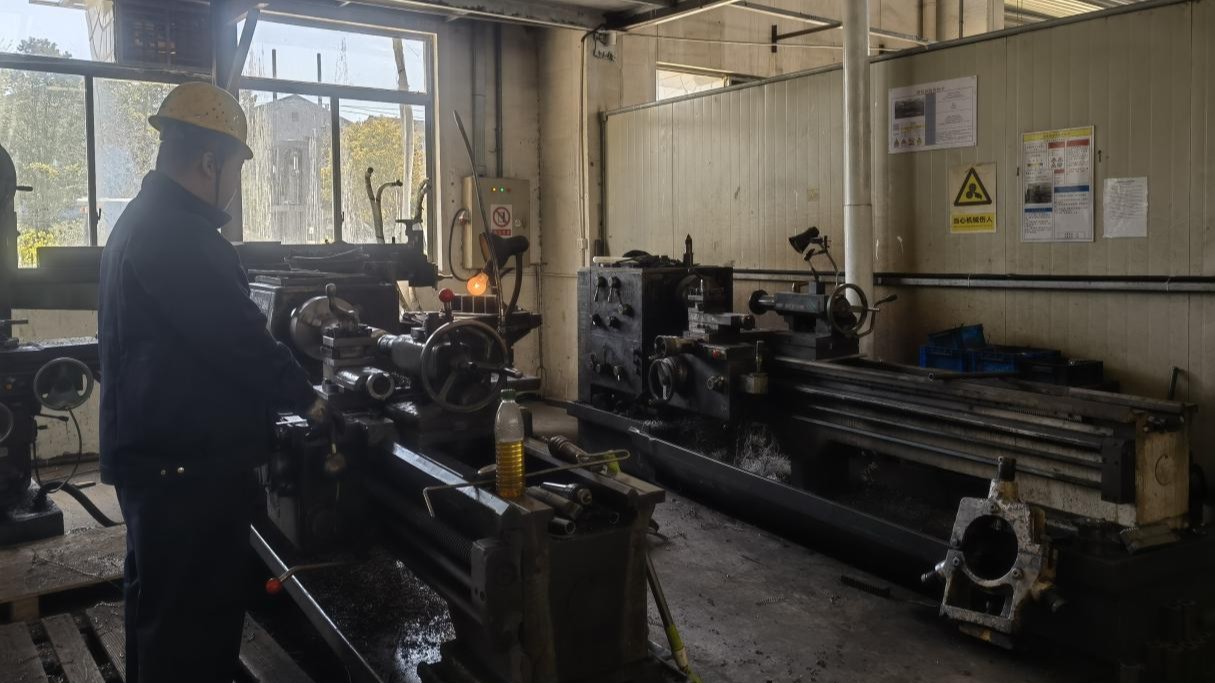
CNC Lathe
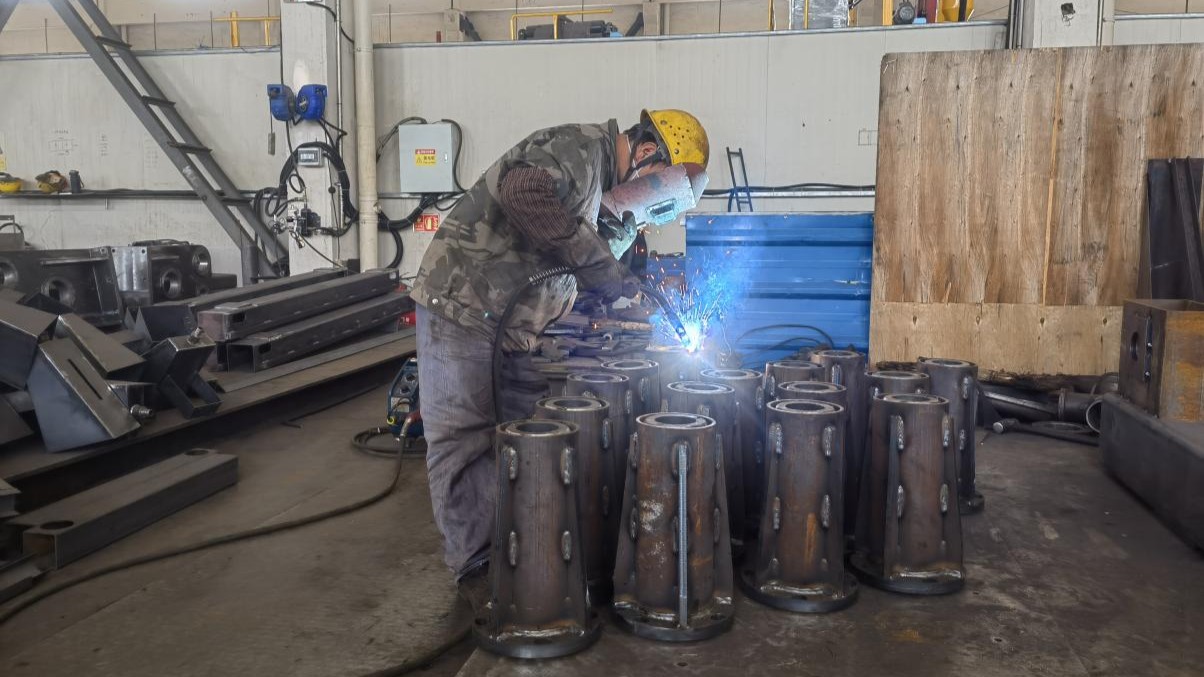
Welding
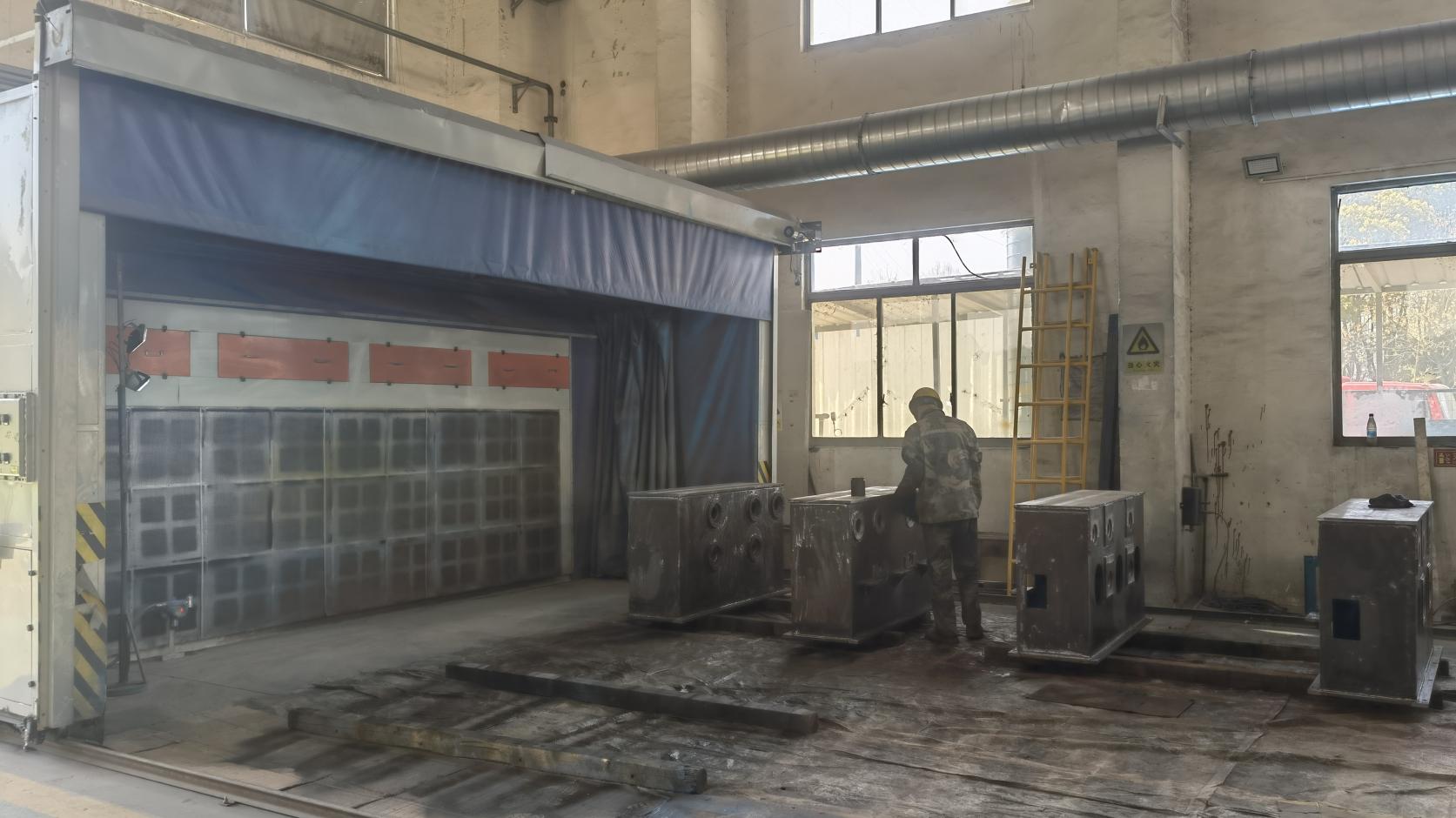
Spray
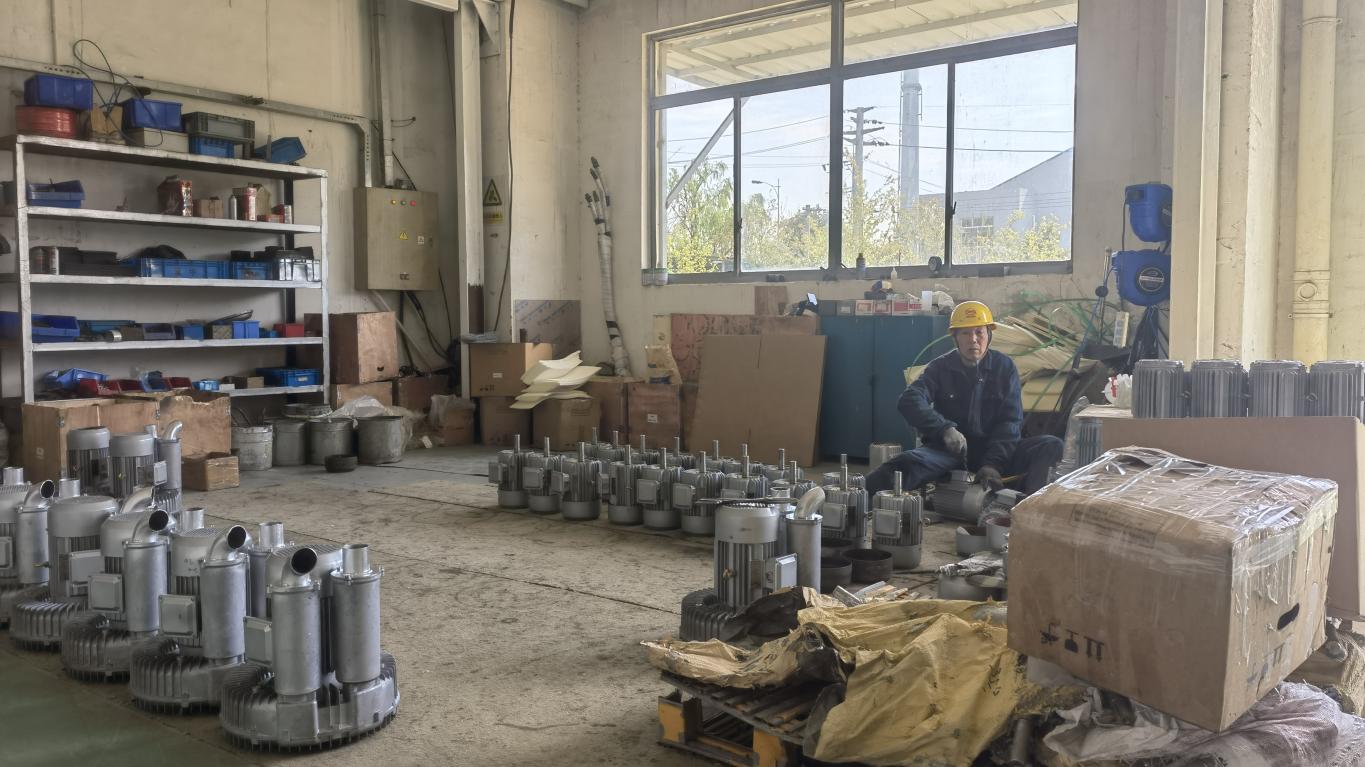
Assembling
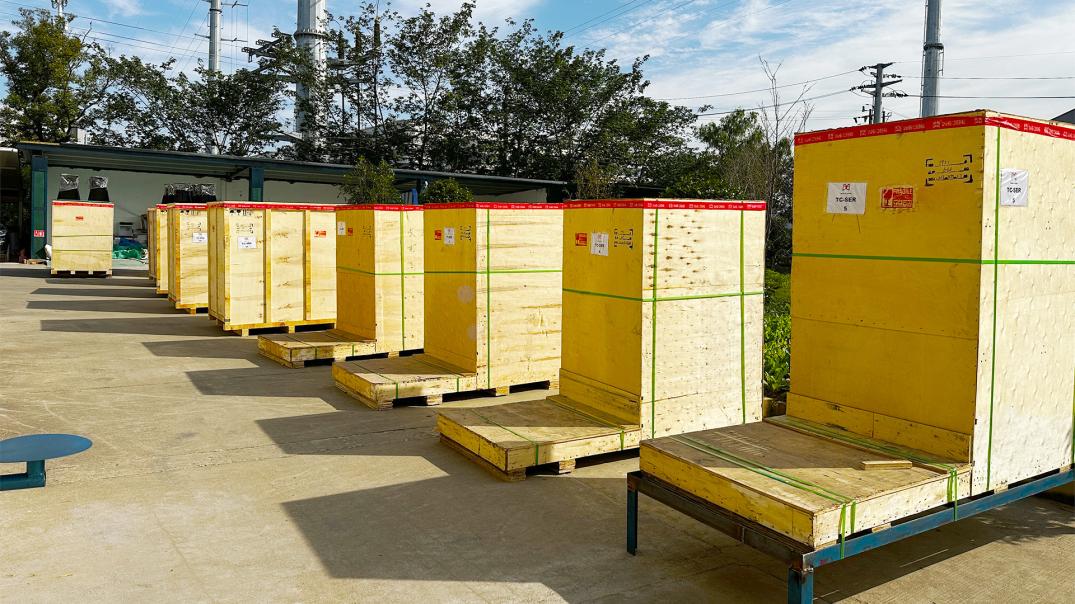
Packing
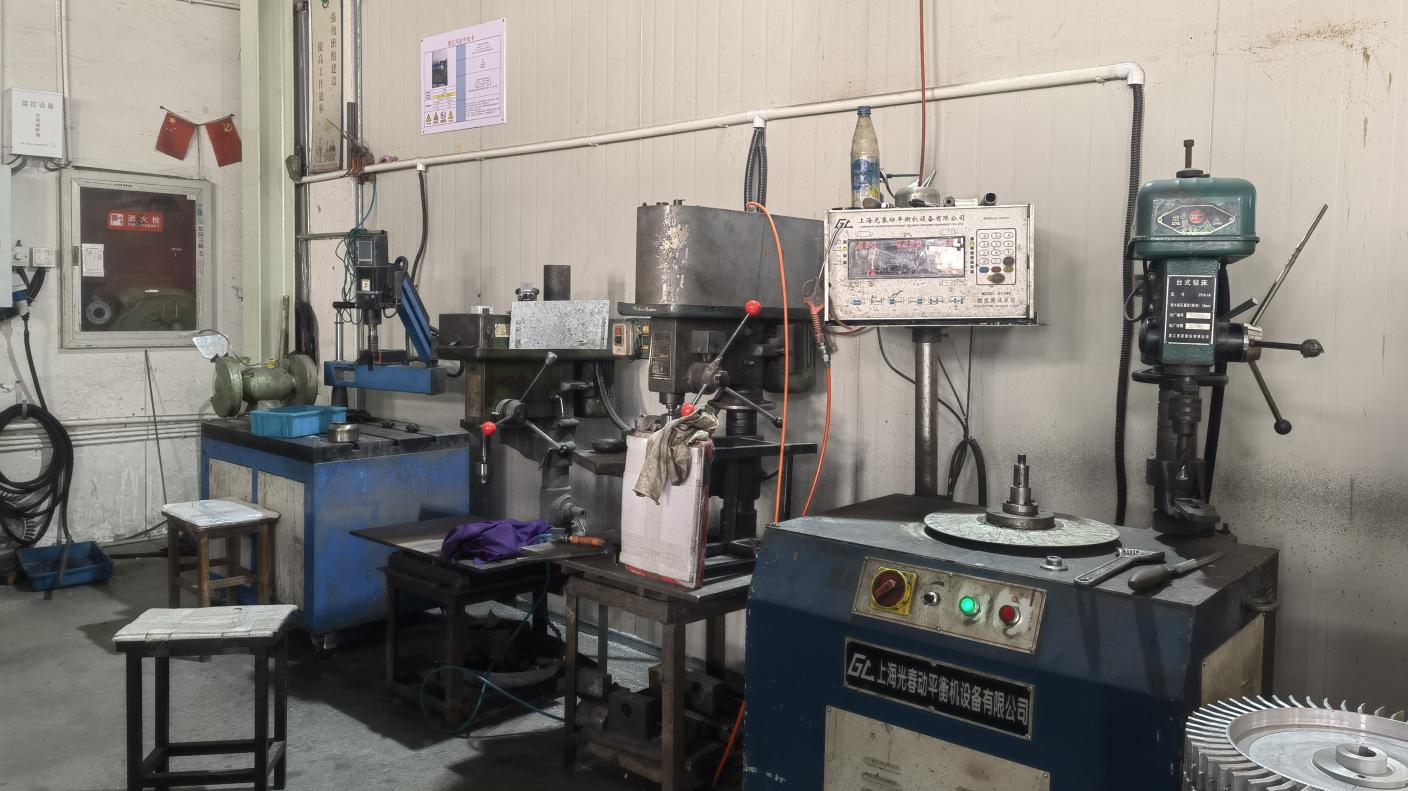
Radial Drilling Machine
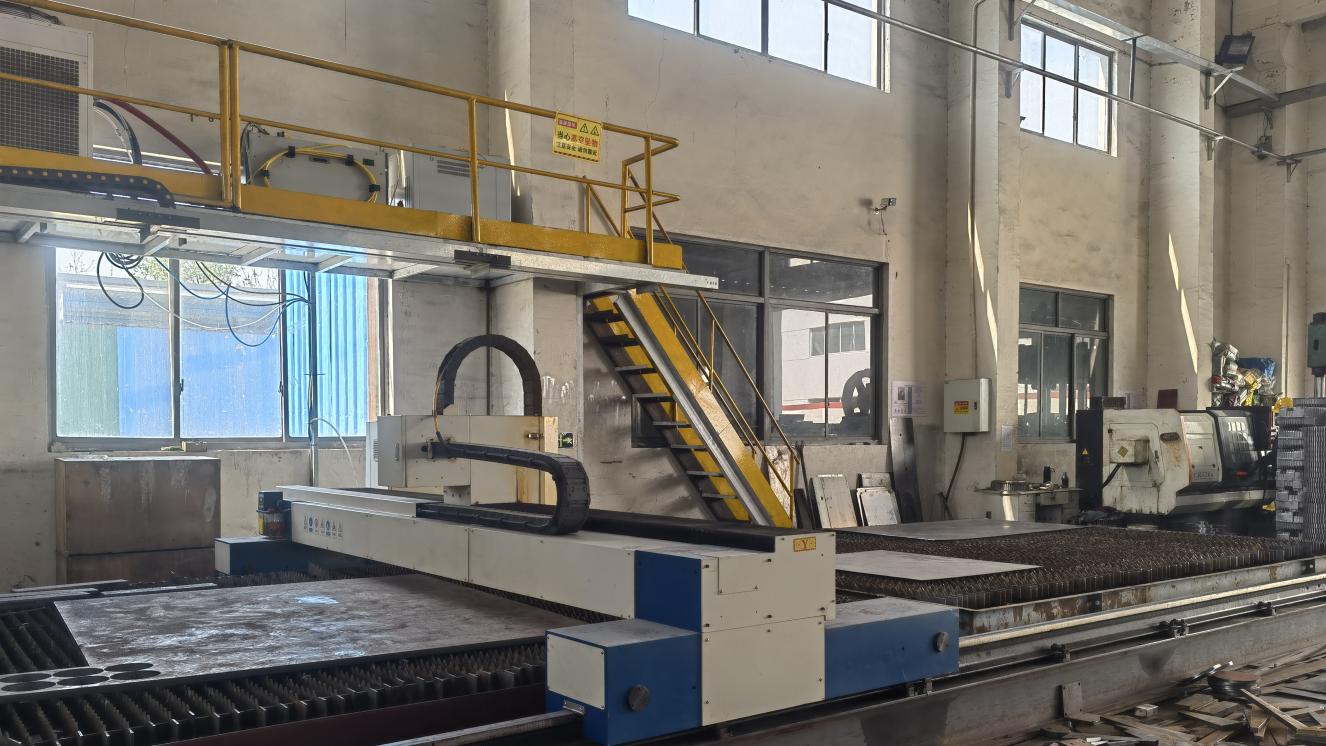
Laser Cutting Machine
Selecting a Chinese manufacturing base for industrial automation equipment involves leveraging integrated supply chain clusters, local technical talent pools, and logistical infrastructure. In Northern China, the industrial hub of Dalian stands out. Dalian has long been a center for heavy machining, shipbuilding, and precision engineering. This concentration of expertise allows local innovators to draw on specialized sub-vendors, metallurgy labs, and marine-grade testing environments near their production bases.
Key structural advantages include:
How modern enterprises are addressing labor scarcity, quality regulations, and environmental constraints.
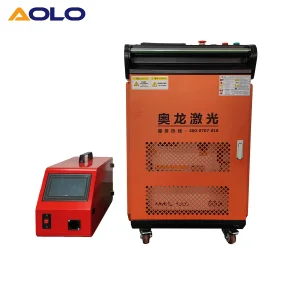
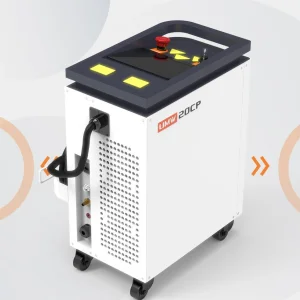
Chemical etching and dry-ice blasting are being phased out globally due to strict environmental mandates and particulate hazards. Non-destructive, portable fiber laser cleaning systems (like our 200W pulsed backpack cleaners) selectively vaporize oxide layers, mill scale, and paint without damaging the base metal, offering a clean, eco-friendly solution for aerospace and rail transport maintenance.
In heavy steel construction and pressure vessel manufacturing, welding gaps can vary because of prior cutting variations. Integrating real-time laser tracking and AI vision sensors allows the robotic arm to detect coordinate changes on the fly and adjust wire placement in real-time, preventing weld defects and reducing rework costs.
Traditional robotic systems required skilled automation programmers to manually write motion profiles. Today's systems feature teaching-free, gantry-type, and coordinate designs. Using CAD-to-Path algorithms, operators can load 3D engineering models, and the system automatically generates safe, collision-free robot paths, making automation viable even for high-mix, low-volume production runs.
Robotic finishing and welding systems are used across a wide variety of sectors, each with its own technical requirements:
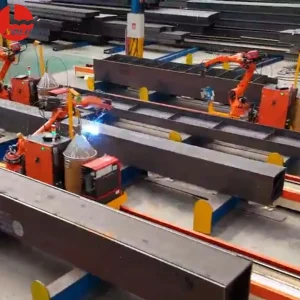
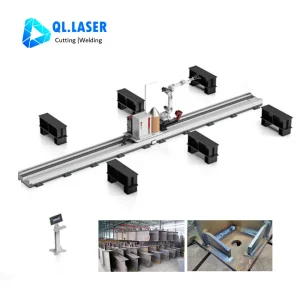
Heavy steel structures, like H-beams and truss junctions, require high-load, multi-axis gantry robots. These large-scale systems execute deep-penetration multi-pass welds on thick plates, ensuring structural integrity and meeting structural welding codes with minimal manual intervention.
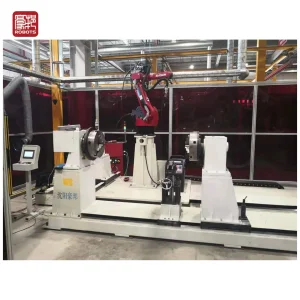
In automotive assembly lines, components must move quickly and weld seams must be highly consistent. Robotic arc welding workstations with integrated turntables cycle through components continuously, keeping assembly lines moving and reducing bottlenecks.
Aerospace components are subjected to extreme thermal and physical stress, meaning they cannot tolerate surface micro-cracks or chemical contamination. Pulsed laser cleaning systems remove corrosion layers and carbon deposits from turbofan blades and exhaust ports without causing thermal distortion to the underlying high-performance alloys.
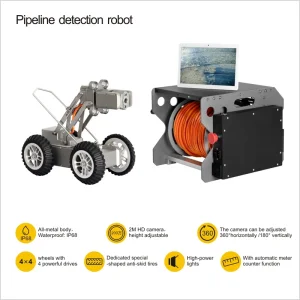
Water systems, drainage networks, and high-pressure oil lines require regular internal inspection to catch cracks before they cause major failures. Remote crawler cameras navigate tight, subterranean pipe corridors, relaying real-time video feeds and structural data to remote monitoring teams.
A professional evaluation checklist for engineering and supply chain leads sourcing automated systems.
When sourcing industrial machinery from global suppliers, procurement professionals must look beyond base equipment costs and evaluate the total cost of ownership (TCO). Use the following checklist to evaluate potential partners:
Answers to common engineering and operational questions about robotic systems.
A standard 6-axis robot arm offers flexible spatial positioning, but it can reach its limits when working on complex, long, or circular workpieces. A 9-axis system adds supplementary external axes (such as linear track movement and rotary positioners) that are controlled by a single master controller. This coordinate control keeps the welding torch at the optimal weld angle throughout the entire path, allowing for smooth, continuous welds without start-stop defects.
Laser tracking systems project a laser line across the weld seam ahead of the welding torch. A high-speed sensor measures the actual profile and joint geometry in real-time, detecting variations caused by heat distortion or fit-up issues. The controller calculates these differences and adjusts the torch path instantly. This ensures high-quality welds and reduces weld defects on large structures.
A 200W pulsed fiber laser cleaning system is highly effective for removing rust, oxide scale, paint coatings, and oily residues from metals like carbon steel, stainless steel, aluminum, and titanium alloys. The pulsed laser energy vaporizes surface contaminants while leaving the underlying metal undamaged, making it ideal for aerospace prep and weld cleaning.
Yes, our engineering team designs custom automation systems around each client's specific floor plans, cycle times, and material handling systems. This includes customized work cells, custom sensor integrations, and tailored software configurations designed to fit into your existing production line.
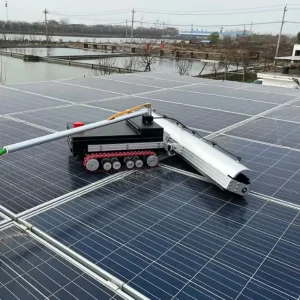
Industrial solutions for heavy structural fabrication, pipeline diagnostics, and renewable infrastructure upkeep.
 Mobo Robot