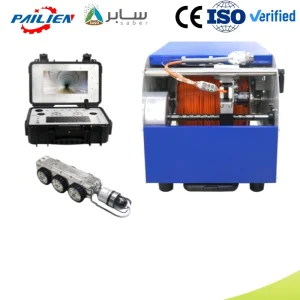
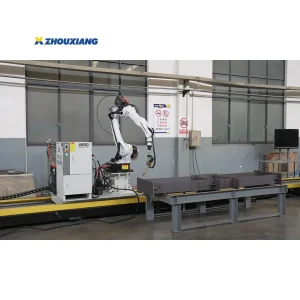
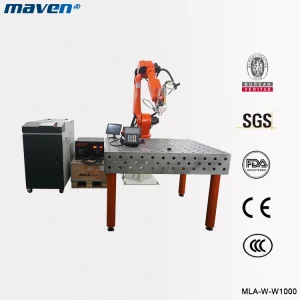
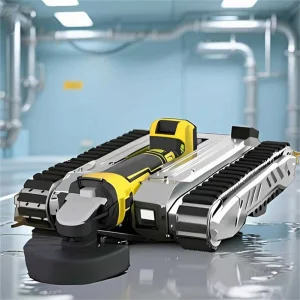
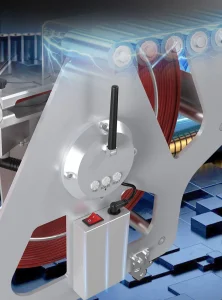
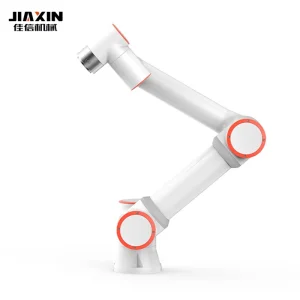
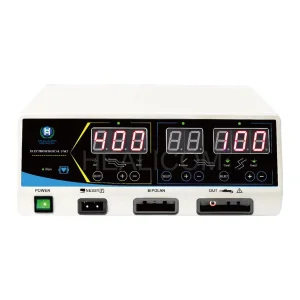
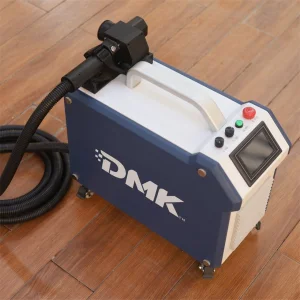
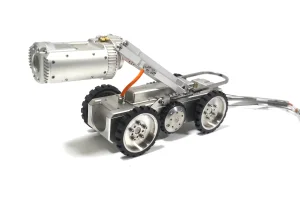
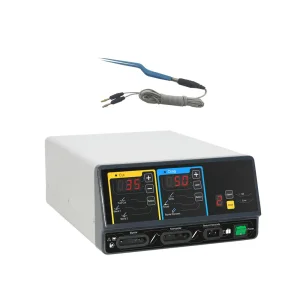
Explore our industrial automation product catalog featuring advanced robotic welders, high-rigidity positioners, medical electrocautery devices, and intelligent inspection crawlers designed to optimize production throughput.

For decades, the removal of flash, burrs, and parting-line defects in precision casting and machining has relied heavily on manual labor. This approach presents notable challenges, including exposure to toxic metal particulate matter, elevated risks of musculoskeletal injuries, and high labor turnover rates. Consequently, modern smart factories are transitioning toward robotic deburring systems to enhance workplace safety and process efficiency.
Integrating robotic units with multi-axis articulated arms enables continuous machining cycles with micro-level path repeatability. By deploying sophisticated pneumatic compliance spindles, variable force sensors, and dynamic path compensation software, wholesale robotic deburring installations deliver uniform finish quality across large production runs, significantly reducing scrap rates.
"Quality finishing is no longer a downstream manual process—it is an automated science defined by controlled contact force, precise trajectory control, and intelligent abrasive wear management."Innovating Industrial Automation with Integrity and Engineering Excellence.
Founded in 2014, Dalian Mobo Robot Co., Ltd. is committed to innovation and excellence in the field of industrial automation. Guided by our core values of "Integrity in Business, Commitment to Quality," we strive to build long-term partnerships based on trust and mutual success. Our mission is to lead in the welding, cutting, and deburring automation sector by providing superior products and services that meet the evolving needs of industries worldwide.
Since our establishment in 2014, Dalian Mobo Robot Co., Ltd. has been at the forefront of the robotics and automation industry, specializing in the supply, installation, and after-sales support of advanced welding and cutting equipment, robotic systems, accessories, consumables, and specialty materials. With over a decade of experience, we have earned the trust of more than 1,000 clients across various industries, including manufacturing, automotive, shipbuilding, and construction.
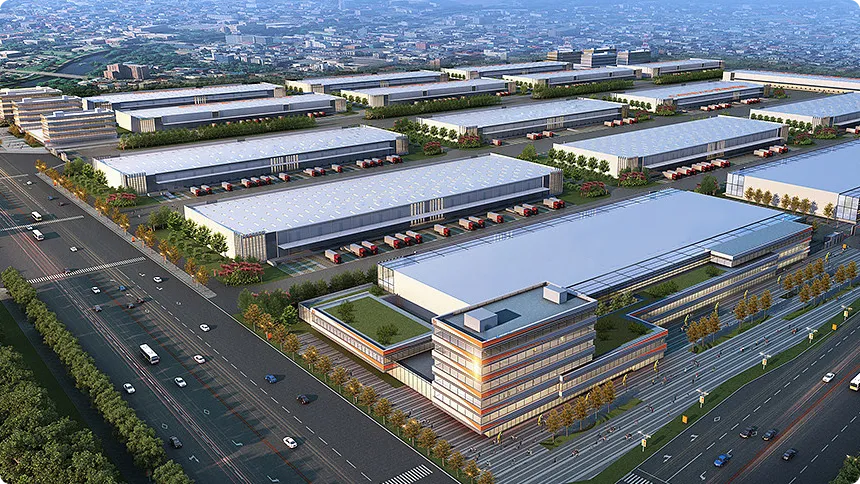
In 2023, we expanded our capabilities by establishing a fully integrated manufacturing base—Mobo Technology (Dalian) Co., Ltd.—allowing us to offer an end-to-end service that includes raw material sourcing, R&D design, precision manufacturing, and global sales. Our advanced production line produces cutting-edge automated systems, including robotic arc welders, AI-driven welding robots, laser-based cleaning robots, and energy-efficient finishing systems.
Our focus is not just on selling equipment but on creating comprehensive, customized solutions that add value and drive long-term success for our clients. From design to implementation, our expert team ensures that each system is tailored to the specific needs of the customer, with the highest standards of quality and reliability.
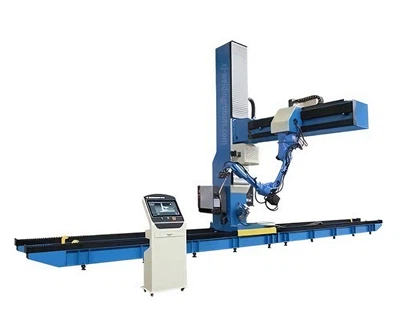
How procurement officers and system engineers evaluate wholesale automated finishing cells to maximize ROI and system reliability.
Unlike rigid CNC paths, castings display dimensional variations. Robotic systems must integrate Active Contact Flanges (ACF) or radial compliant tooling to maintain consistent contact force, compensating for parts tolerance fluctuations up to ±15mm without gouging the workpiece.
Modern production facilities avoid teaching-pendant programming due to lengthy downtime. High-end systems utilize CAD-to-Path software (such as Robotmaster or OCTOPUZ) to simulate tool engagement and optimize collision avoidance offline, keeping production uptime close to 99%.
A comprehensive system employs quick-change tool changers to swap between high-speed pneumatic spindles (up to 40,000 RPM) for fine contouring, dynamic belt sanders for flat face finishes, and heavy-duty milling motors for bulky gates and risers.
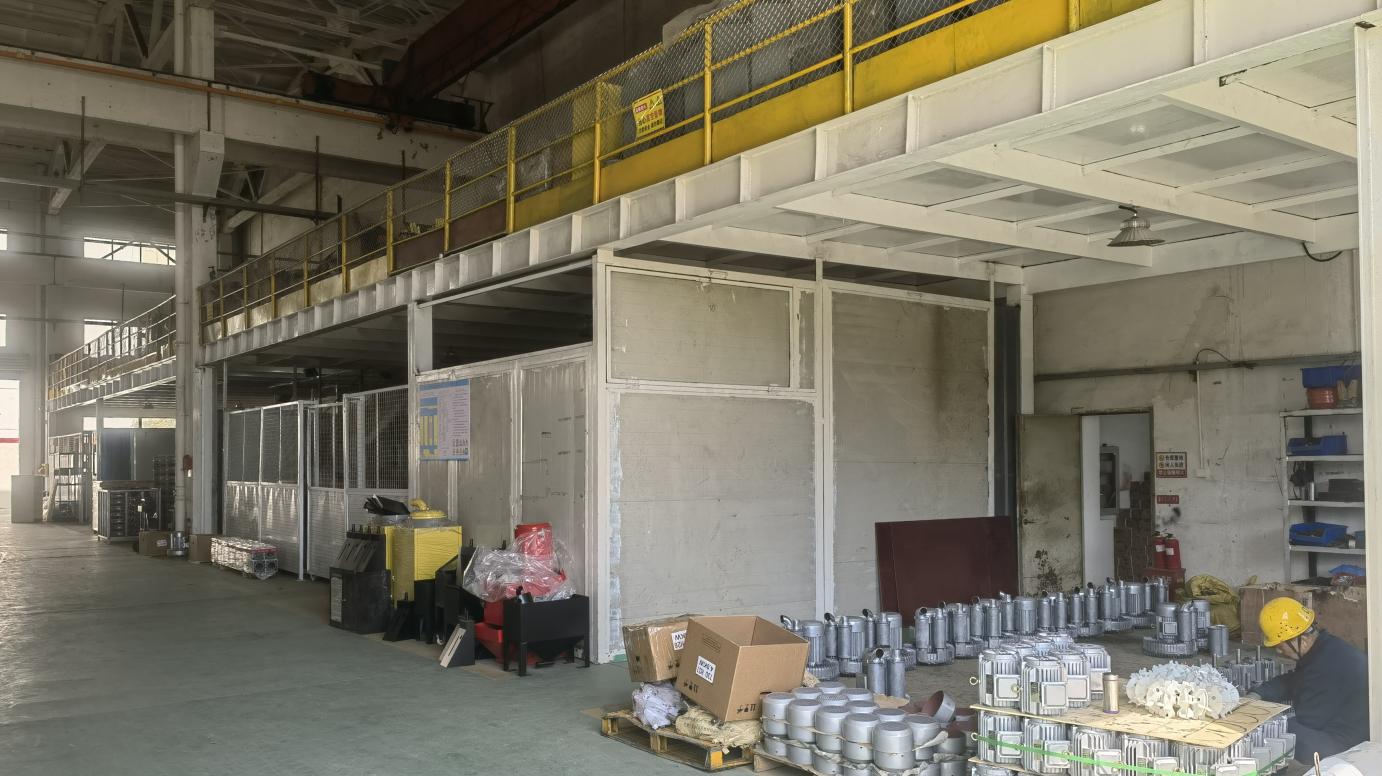
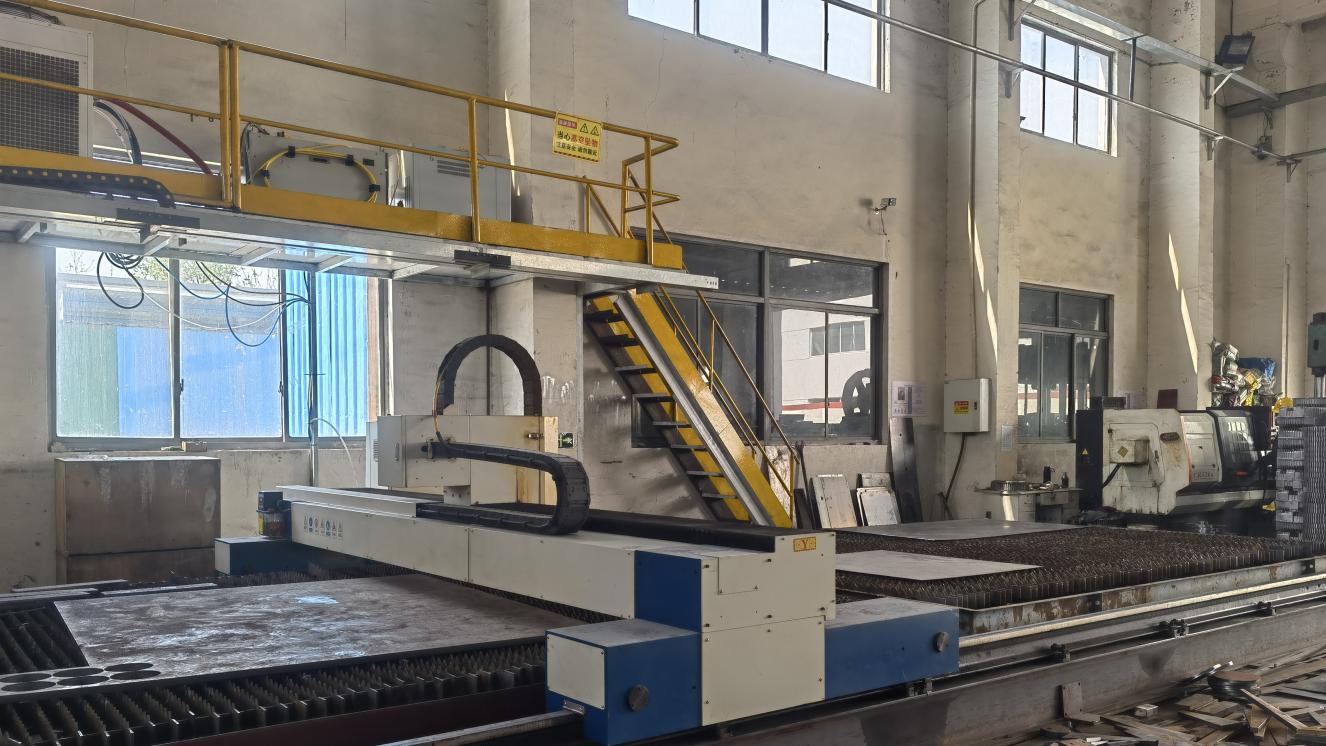
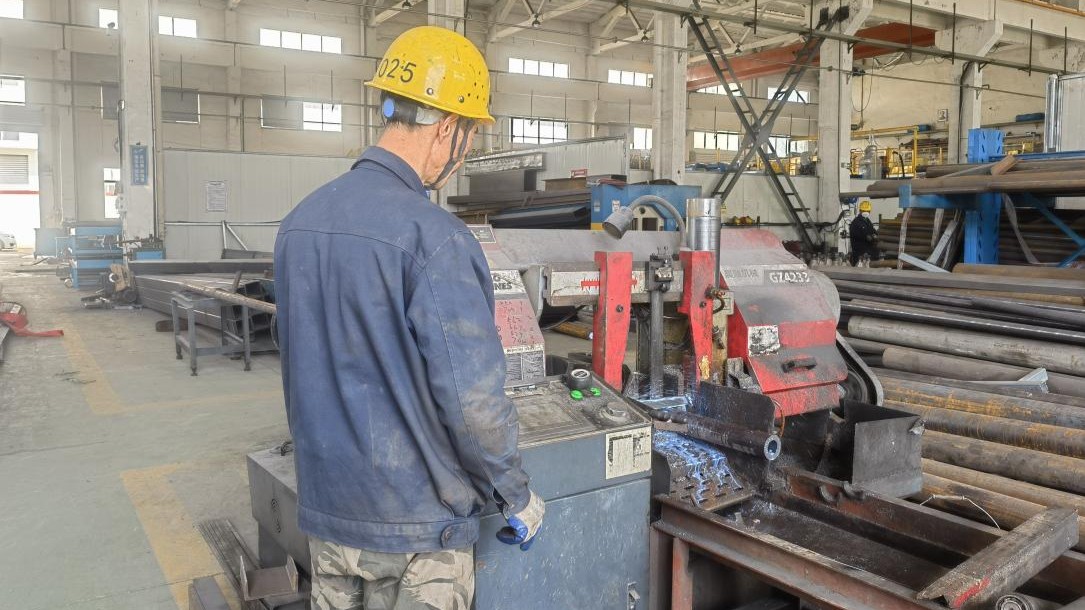
From primary raw material sourcing to packaging, our factory oversees every key phase of precision fabrication to guarantee reliability and strict quality control.
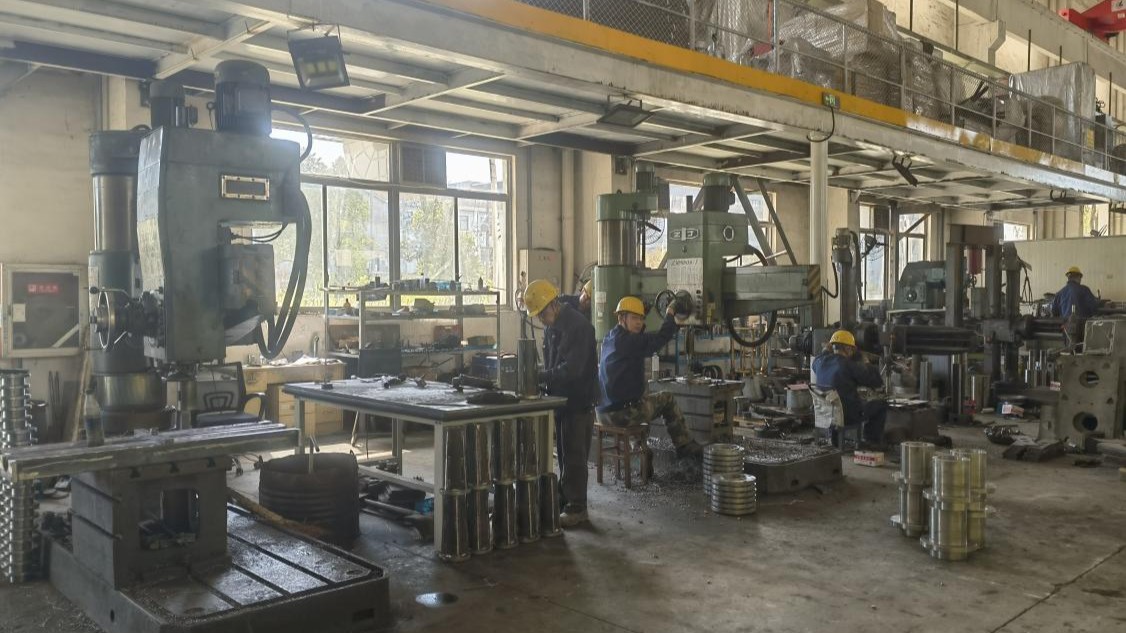
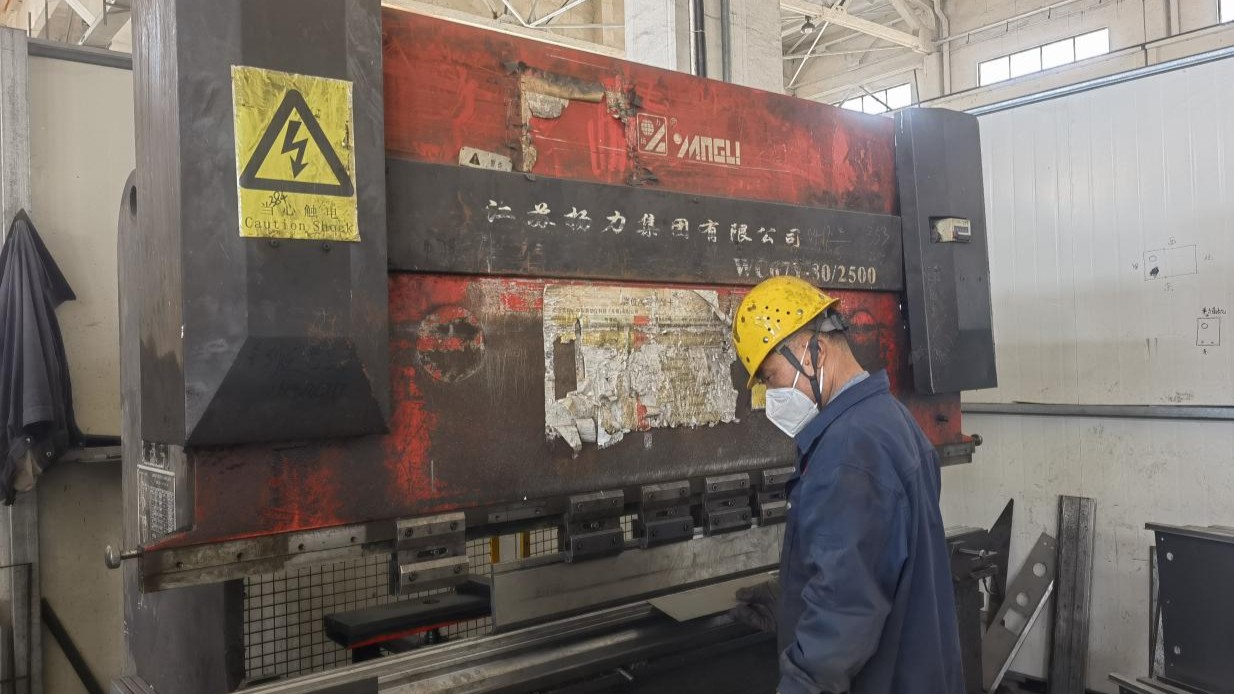
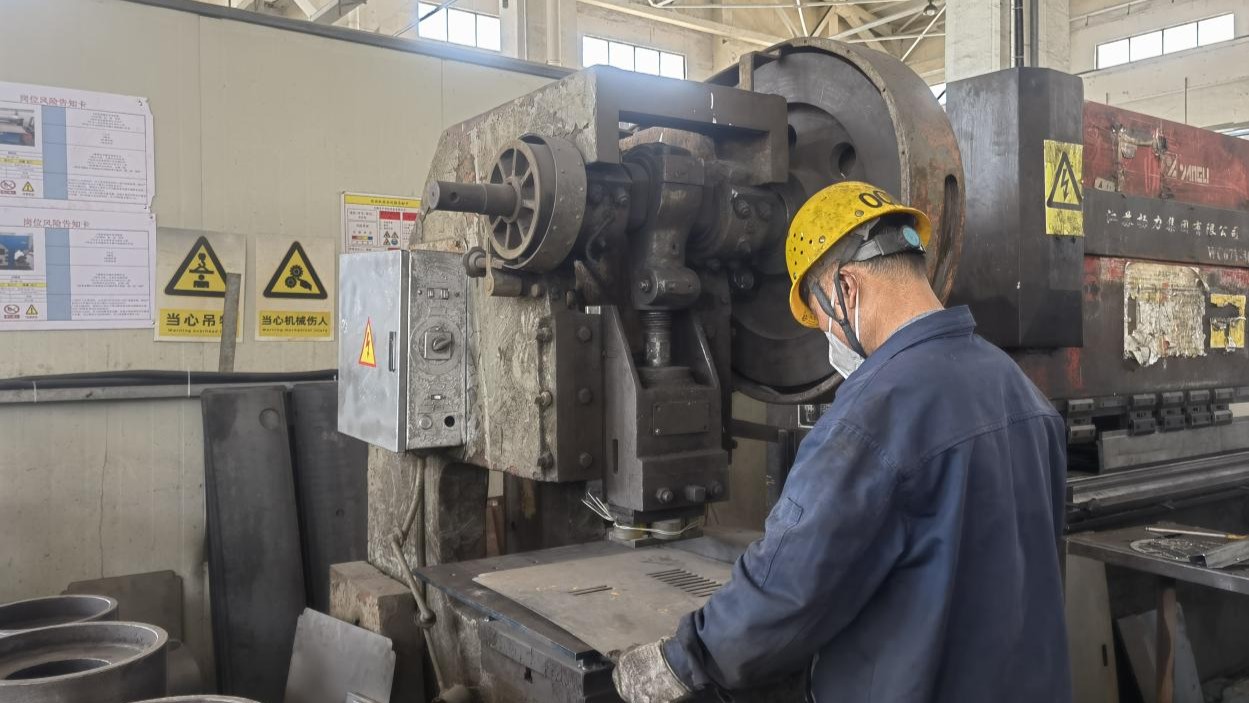
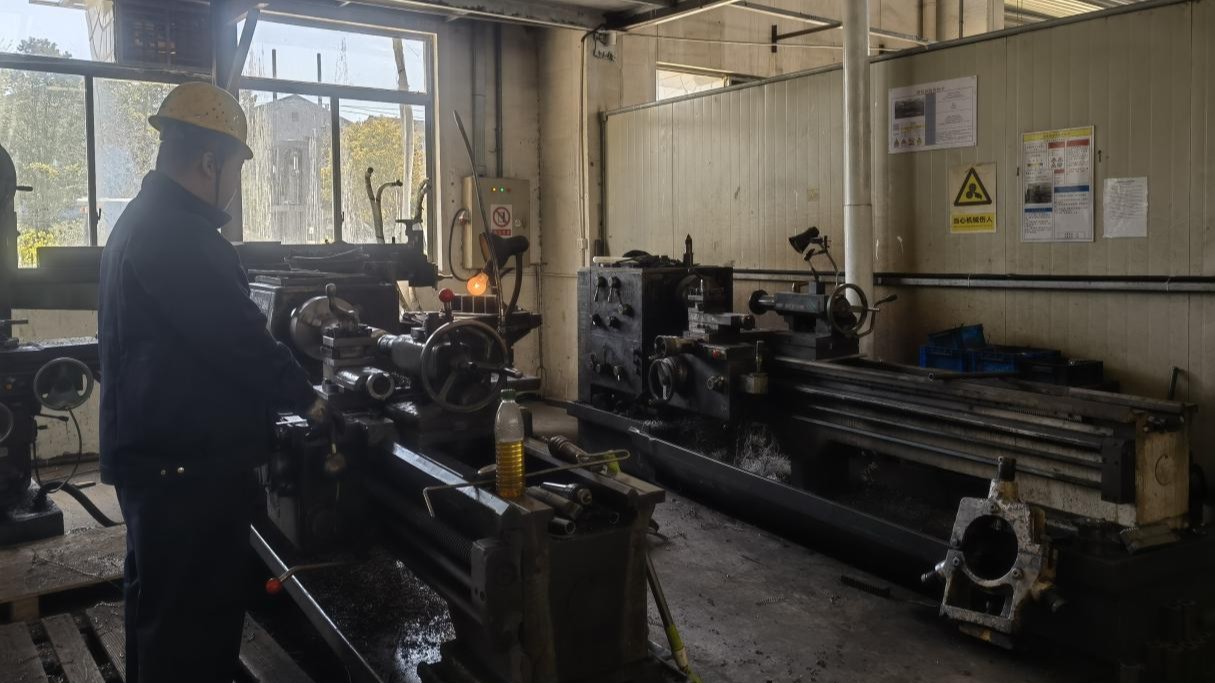
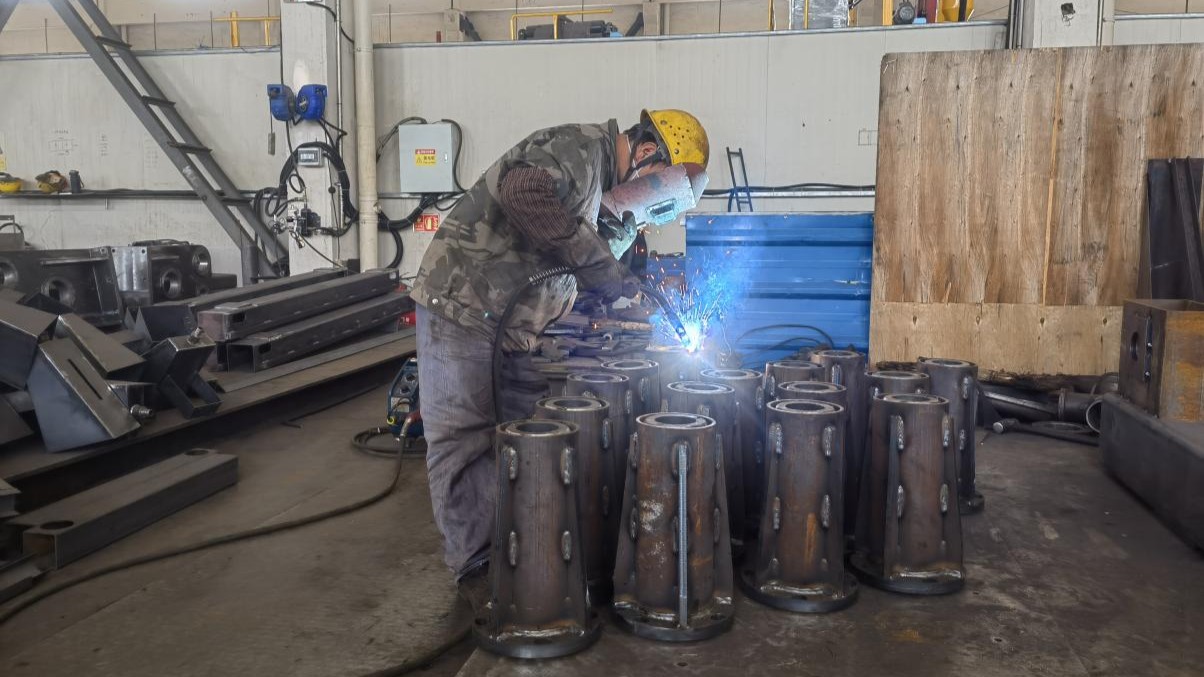
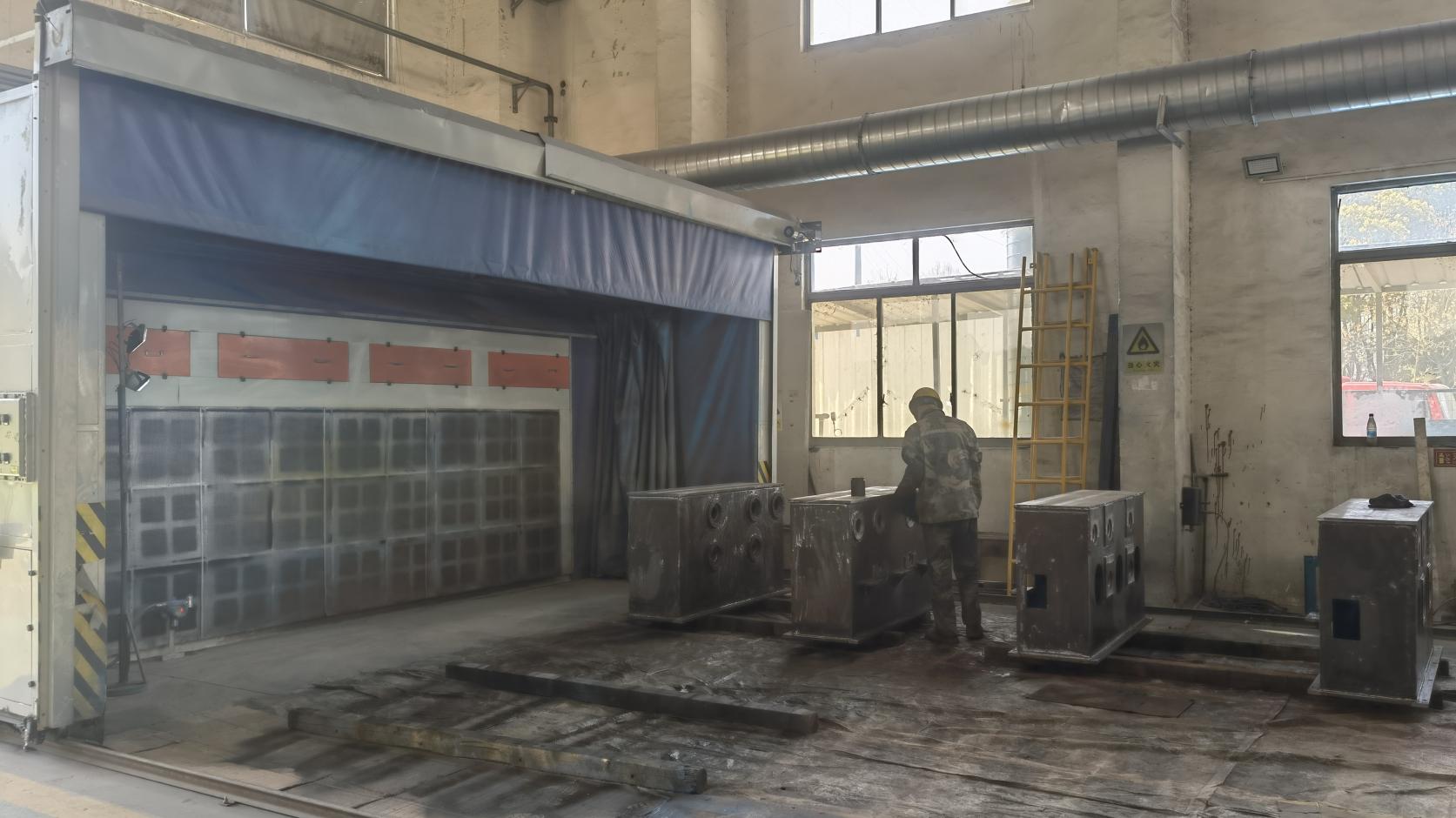
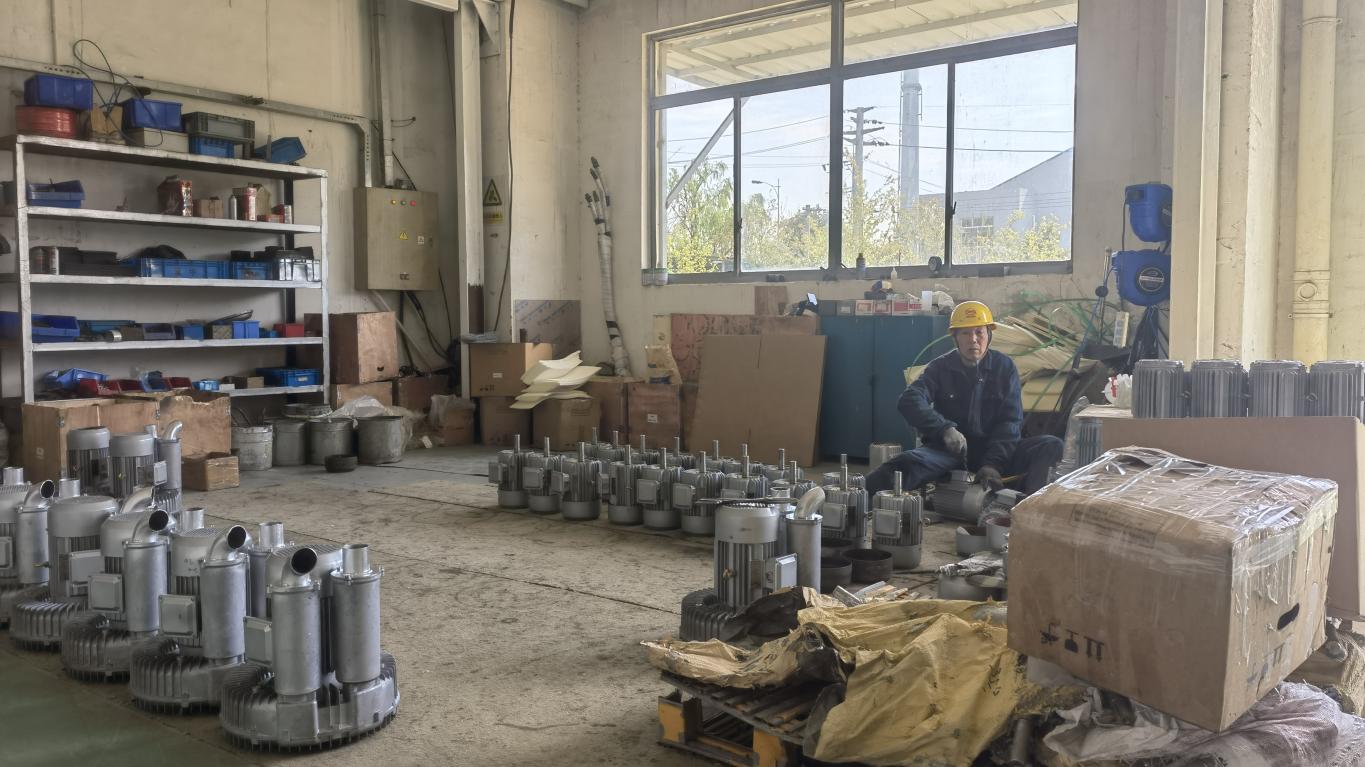
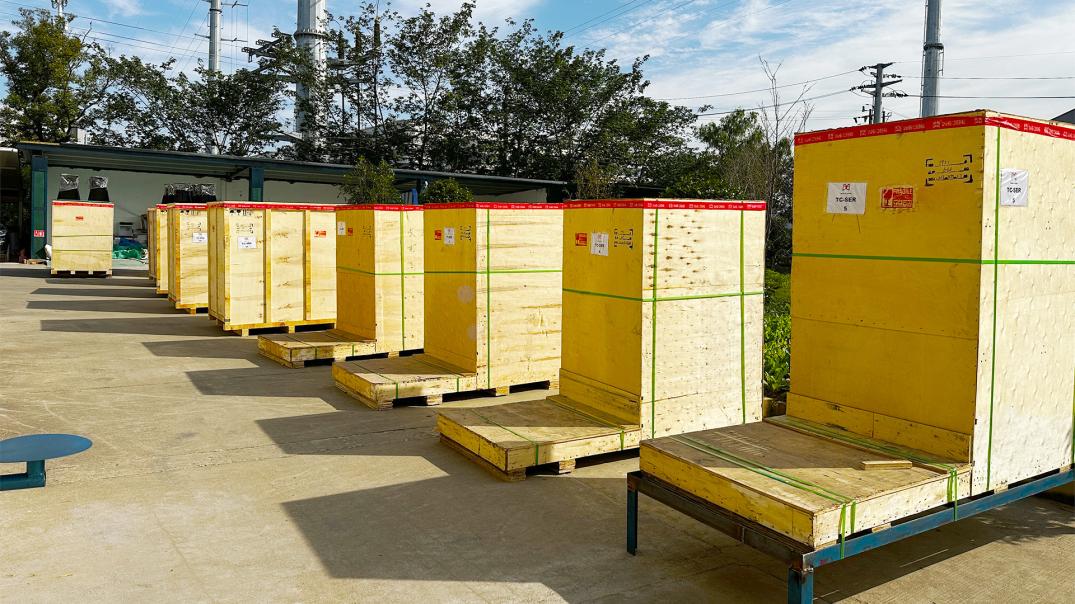
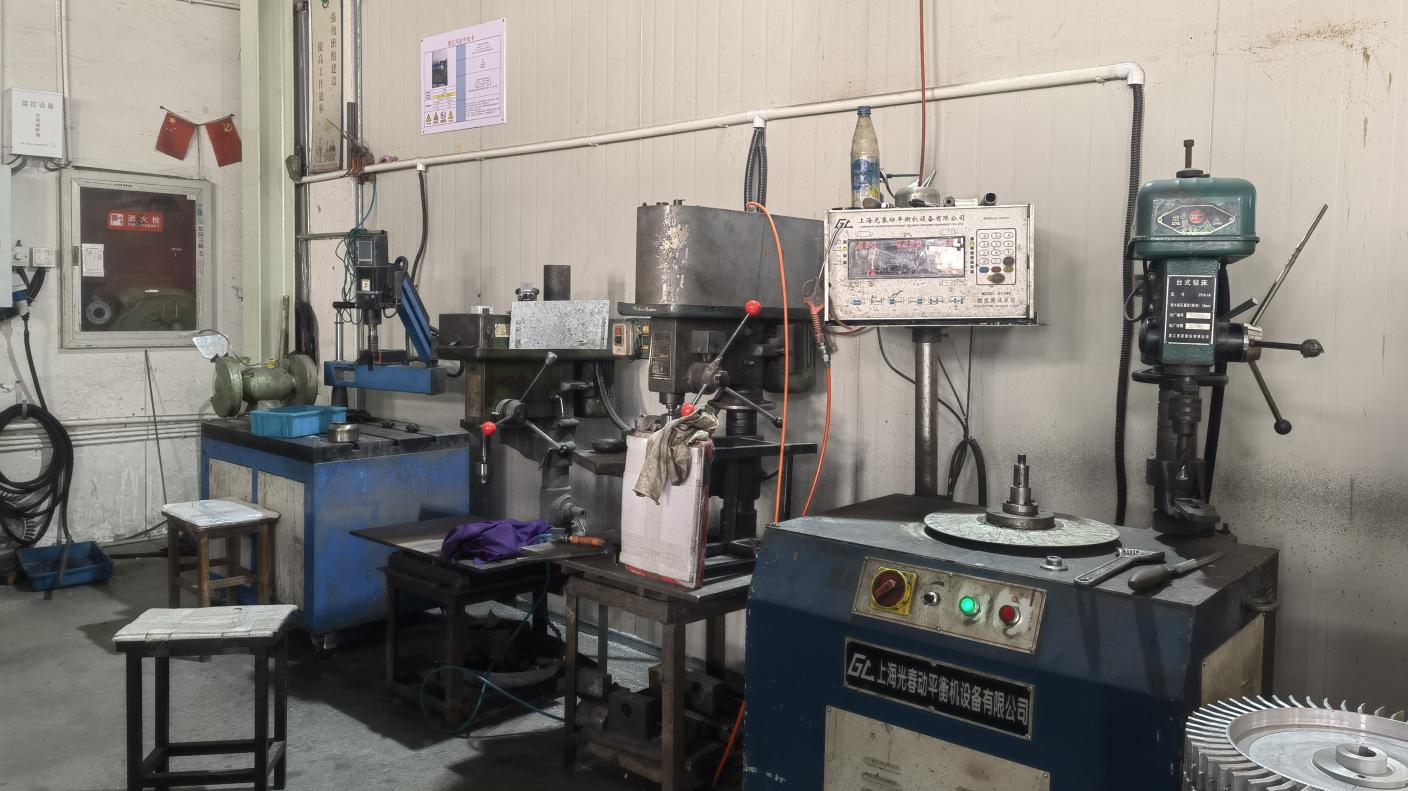
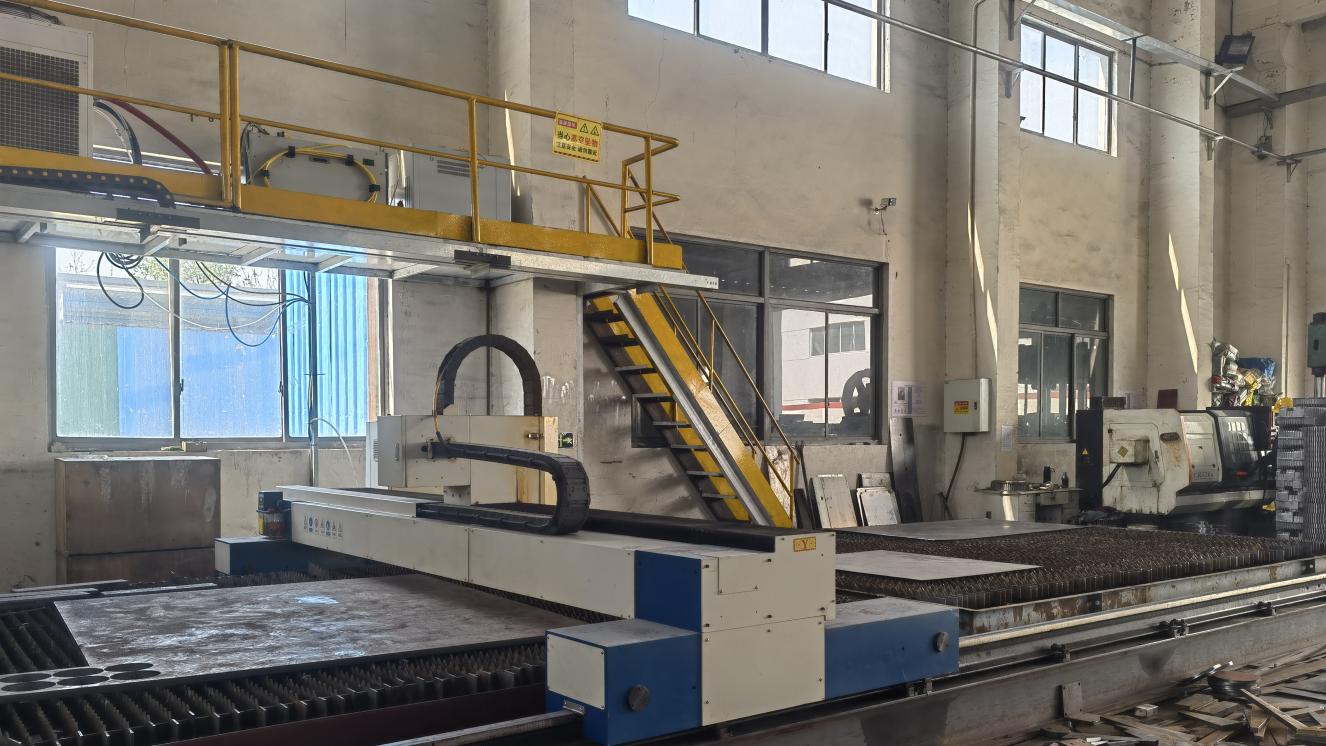
Deploying automated finishing cells across diverse manufacturing domains to address unique process challenges.
Modern engine blocks, transmission housings, and alloy wheels feature complex geometries that are prone to internal burrs. Our robotic configurations run force-controlled carbide burr tools along intricate internal channels, maintaining precise depth without altering critical design tolerances.
Titanium and nickel-based superalloys require precise surface finishes to prevent stress corrosion cracking. Our systems use multi-stage belt grinders and abrasive brushes with digital force tracking to deliver a surface roughness (Ra) of under 0.4 microns.
Large iron castings used in excavation and defense industries require heavy gate and riser removal. By pairing high-payload industrial robots (50kg to 200kg) with aggressive high-horsepower milling spindles, our systems remove bulk metal flash efficiently before secondary machining.
Transitioning from basic industrial automation to intelligent, self-optimizing finishing systems.
The field of industrial deburring is moving beyond pre-programmed paths toward autonomous adaptation. As part of our commitment to technology-driven innovation, we are developing next-generation architectures focused on three core technologies:
Through these advancements, Mobo Technology (Dalian) Co., Ltd. aims to provide global partners with adaptive, self-regulating cells that reduce downtime and maintain high finishing quality.
Ensuring compliance with international standards and providing on-site technical support in global markets.
Exporting automation systems requires strict adherence to international safety and engineering standards. All of our robotic systems, controllers, and custom enclosures conform to major global industrial standards, ensuring straightforward deployment on your factory floor:
Through our overseas service centers and engineering networks, we offer commissioning, operator training, and field support, minimizing downtime and supporting seamless implementation.
Our global customer service program covers all phases of system implementation:
Technical guidance and implementation advice from our engineering team.
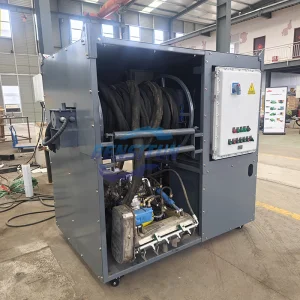
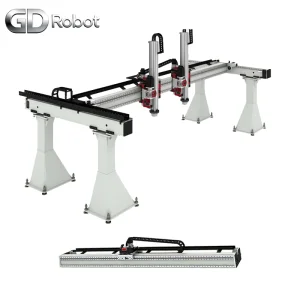
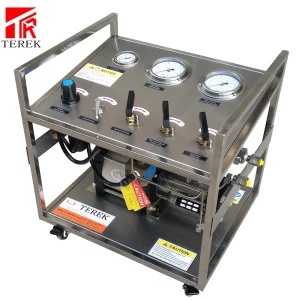
Discover our range of industrial crawlers, high-pressure booster stations, fiber laser cleaners, and collaborative welding equipment built for demanding operating conditions.
 Mobo Robot